What Is Contract Packaging? A Complete Guide for Brands

What Is Contract Packaging? A Complete Guide for Brands/

Contract Packaging Guide

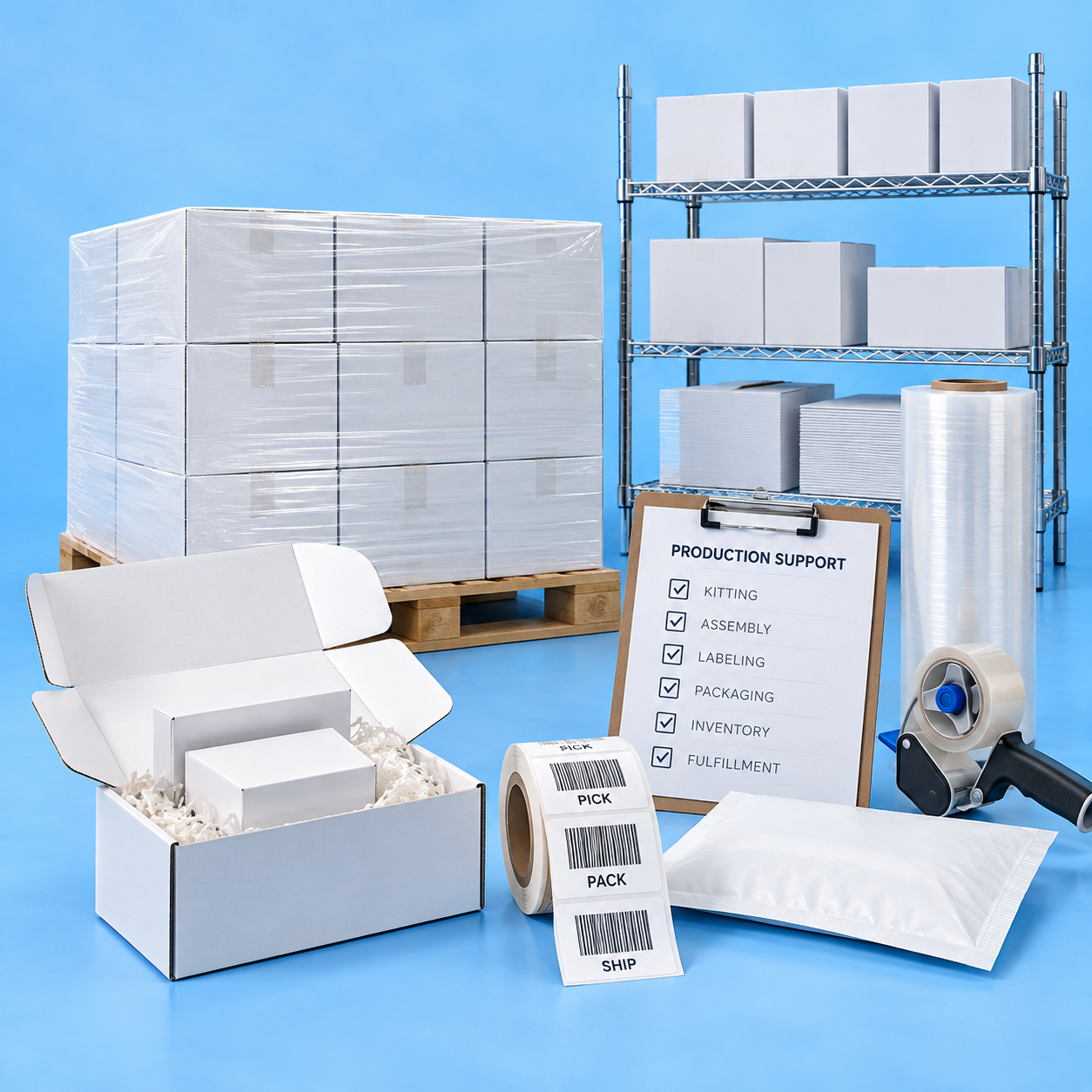
Contract packaging is the process of outsourcing some or all of a product’s packaging operations to a specialized third-party company. A contract packaging partner can support services such as assembly, labeling, primary and secondary packaging, kitting, retail displays, quality control, warehousing, and fulfillment depending on the needs of the project.

For growing brands, contract packaging can provide access to specialized equipment, packaging expertise, labor, facilities, and scalable production capacity without requiring the brand to build those capabilities internally.

In this guide, we explain how contract packaging works, why companies use it, what services a contract packager may provide, and what brands should look for when choosing a packaging partner.

Updated September 2026 | QPSI Packaging Insights

What Is Contract Packaging?

Contract packaging, sometimes called co-packing, is an outsourced business arrangement in which a company hires a specialized packaging provider to perform packaging operations on its behalf.

Instead of purchasing equipment, maintaining additional facilities, hiring packaging labor, and managing every packaging step internally, a brand can outsource selected operations or an entire packaging workflow to a contract packaging company.

The exact scope depends on the project.

One company may need thousands of finished products placed into retail cartons. Another may need multiple components assembled into kits. Another may need labeling, secondary packaging, retail displays, warehousing, and fulfillment coordinated through the same partner.

That is why contract packaging is not one single service. It can represent an entire collection of packaging, assembly, quality, and supply-chain capabilities.

Contract packaging may include:

  • Product and packaging assembly
  • Primary packaging
  • Secondary packaging
  • Label application
  • Kitting
  • Repackaging
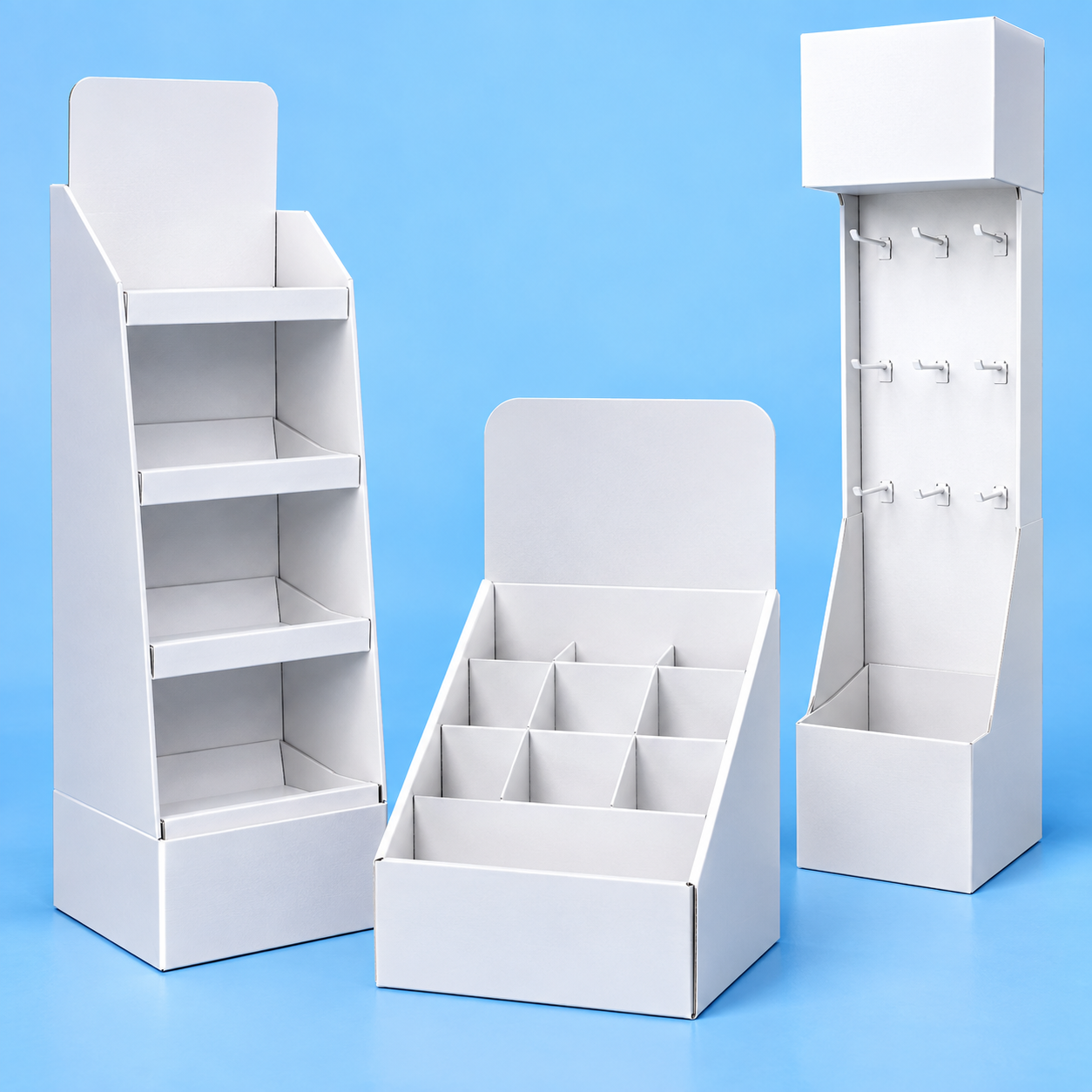
  • Retail-ready packaging
  • Point-of-purchase displays
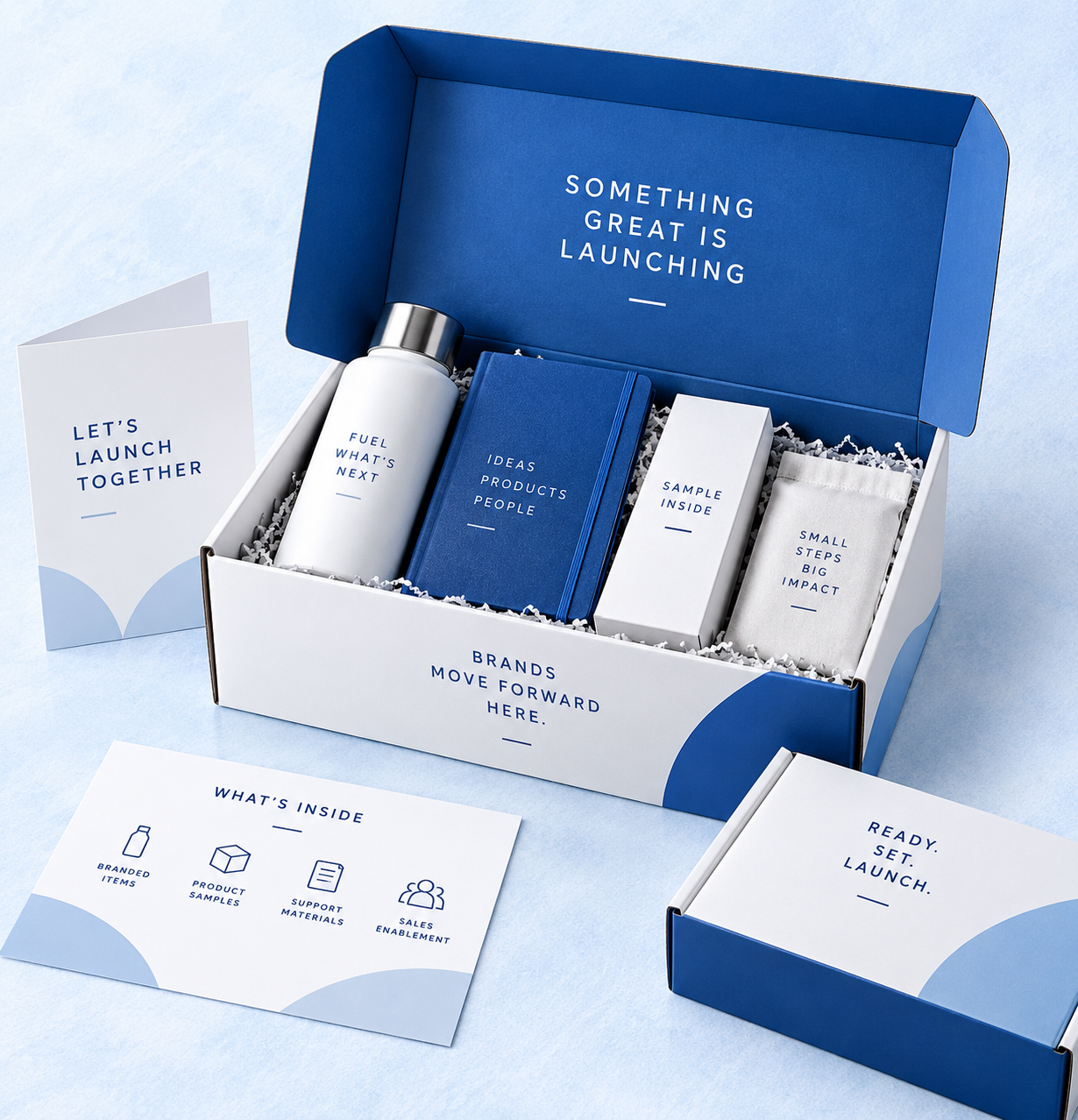
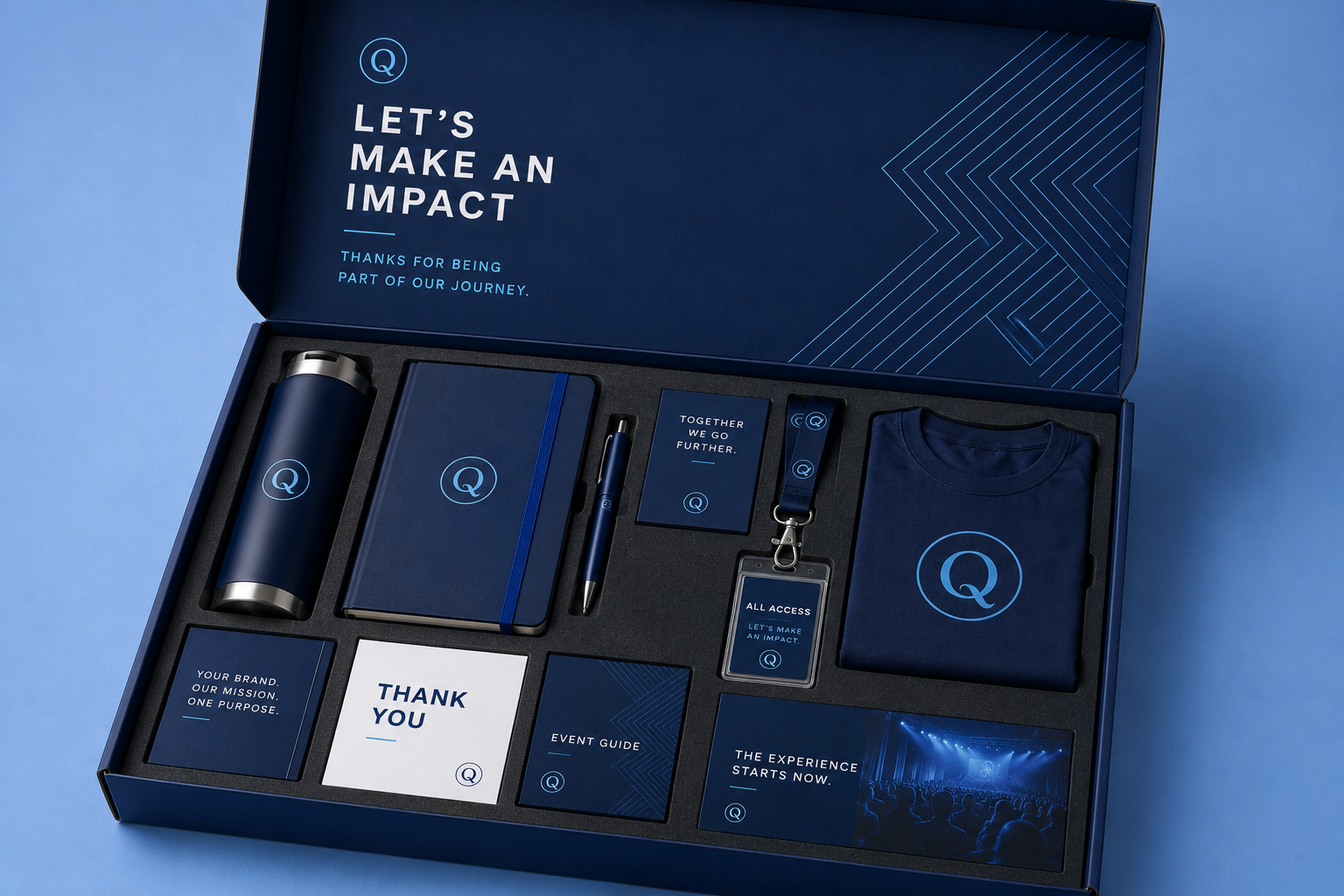
  • Promotional kits
  • Quality inspection
  • Warehousing
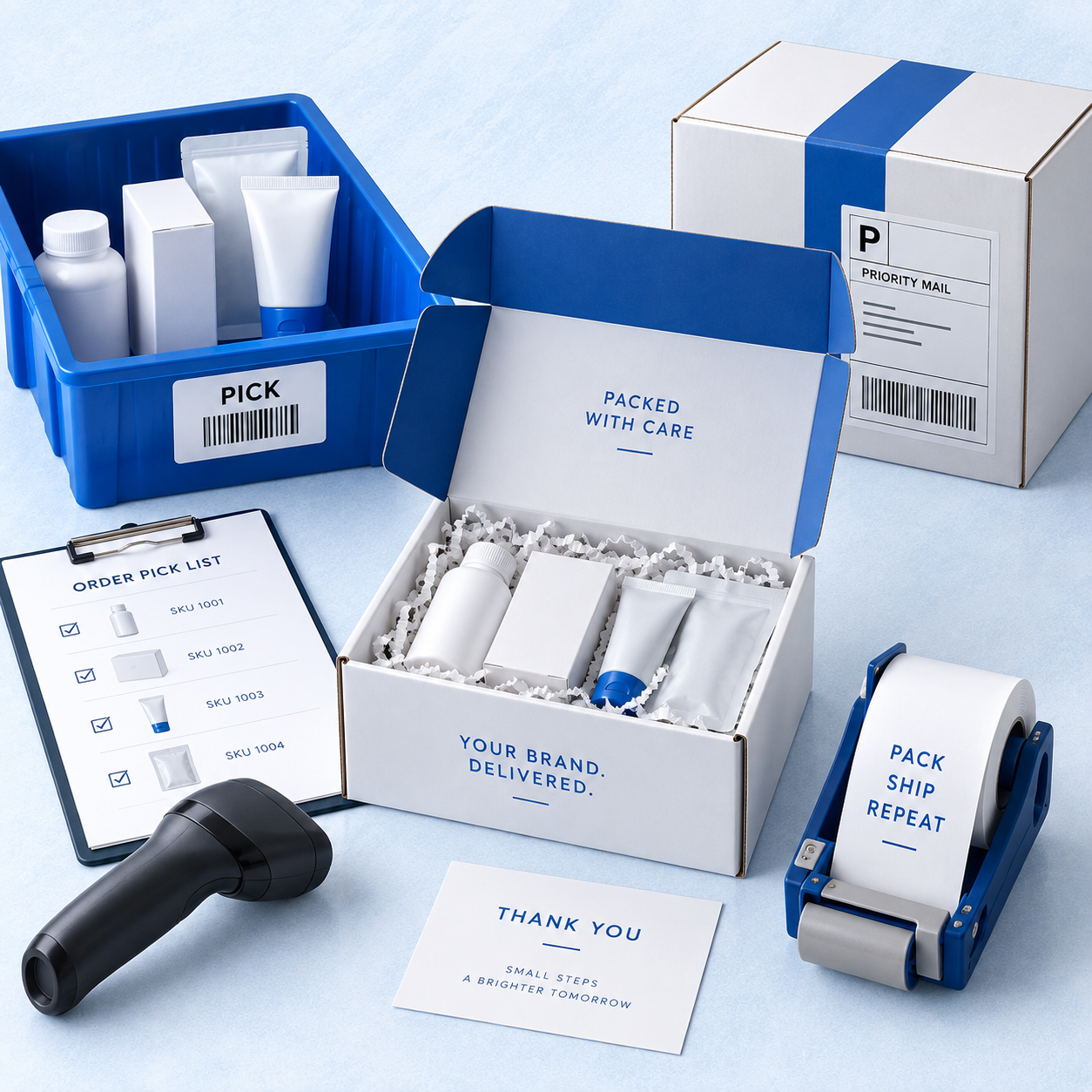
  • Direct-to-consumer fulfillment
Quick Answer

A brand supplies the product or project requirements, and a contract packaging partner provides the people, processes, equipment, and expertise needed to prepare that product for retail, distribution, fulfillment, or another destination.

What Does a Contract Packaging Company Do?

A contract packaging company helps brands complete packaging operations that they either cannot, do not want to, or do not have the capacity to perform internally.

Some projects involve one service. Others require several packaging operations coordinated through one provider.

1. Receive Product and Components

Products, packaging materials, cartons, labels, inserts, displays, and other required components arrive at the packaging facility.

2. Inspect Incoming Materials

Materials may be reviewed against approved project requirements before production begins.

3. Perform Packaging Operations

Products may be counted, assembled, labeled, packed, bundled, inserted, or otherwise prepared according to approved specifications.

4. Complete Secondary Packaging

Finished units may be placed into cartons, multipacks, kits, display-ready packaging, shipping cases, or other secondary packaging.

5. Conduct Quality Checks

Quality checks help confirm that completed products meet the established requirements of the project.

6. Prepare Finished Goods

Finished products can then move to warehousing, distribution, retail, fulfillment, or another destination in the supply chain.

How Does the Contract Packaging Process Work?

Every packaging program is different, but most projects follow a similar process.

Step 1: Define the Project

The brand and packaging partner establish the product, packaging format, quantities, specifications, timeline, quality requirements, and final destination.

Step 2: Review Specifications

Common questions include:

  • What product is being packaged?
  • What are the product dimensions?
  • What packaging components are required?
  • How many units are needed?
  • How many SKUs are involved?
  • Are there labeling requirements?
  • How should finished goods be packed?
  • Where are finished goods going?
  • What is the target production date?

Step 3: Develop the Packaging Solution

Once requirements are understood, the packaging workflow can be developed. This may include materials, equipment, production layout, assembly instructions, quality procedures, artwork review, prototypes, or retail display considerations.

Step 4: Prepare for Production

Approved materials and components are brought together, and production is scheduled.

Step 5: Package the Product

Packaging operations are completed according to approved specifications.

Step 6: Complete Quality Review

Appropriate quality controls help confirm that finished products meet established requirements.

Step 7: Ship, Store, or Fulfill

Finished goods may move to a distribution center, retailer, warehouse, customer, fulfillment operation, or another destination.

What Is the Difference Between Primary and Secondary Packaging?

Understanding packaging terminology makes it easier to define a packaging project.

Primary Packaging Secondary Packaging
Purpose Contains or directly surrounds the product Groups, protects, organizes, or presents packaged products
Examples Bottles, pouches, blister packs, sachets Cartons, multipacks, display cases, retail-ready packaging
Example Packaging Flow

Product → Primary Package → Carton → Retail Display → Shipping Case

Contract Packaging vs. Contract Manufacturing

Contract manufacturing focuses primarily on producing the product itself.

Contract packaging focuses primarily on packaging, assembling, labeling, preparing, and potentially fulfilling that product.

Contract Manufacturer: Makes the product.

Contract Packager: Prepares the product for retail, distribution, fulfillment, or the customer.

Why Do Companies Use Contract Packaging?

Avoid Major Equipment Investments

Packaging equipment can require significant capital investment. Outsourcing may help companies avoid purchasing specialized machinery for new launches, seasonal programs, or changing packaging formats.

Add Production Capacity

Contract packaging can provide outside capacity when internal packaging lines, facilities, or labor are already committed.

Access Specialized Capabilities

Some packaging formats require specific equipment, facilities, labor, or technical expertise.

Manage Complex Projects

Projects involving multiple components, SKUs, labels, inserts, displays, or configurations can become operationally complicated.

Support Product Launches

Contract packaging can provide flexibility when volumes, packaging, or retail requirements are still evolving.

Consolidate Vendors

A partner that supports multiple services may help reduce handoffs between packaging, assembly, display, warehousing, and fulfillment providers.

What Industries Use Contract Packaging?

Health & Wellness

Health and wellness brands may need packaging, labeling, kitting, secondary packaging, displays, and fulfillment support.

OTC Products

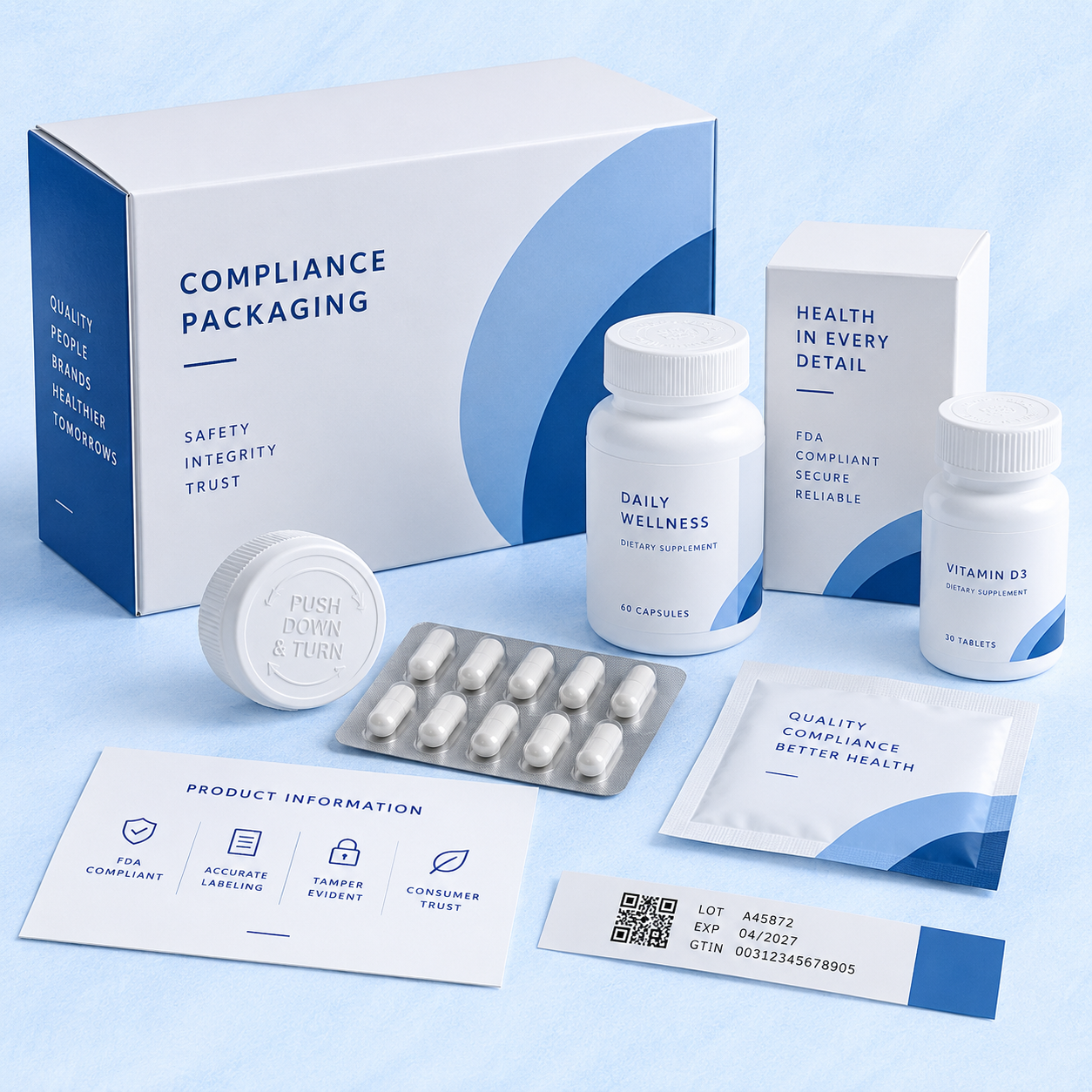
OTC products may require controlled packaging operations, accurate labeling, secondary packaging, and defined quality processes.

Diagnostic and Healthcare Kits

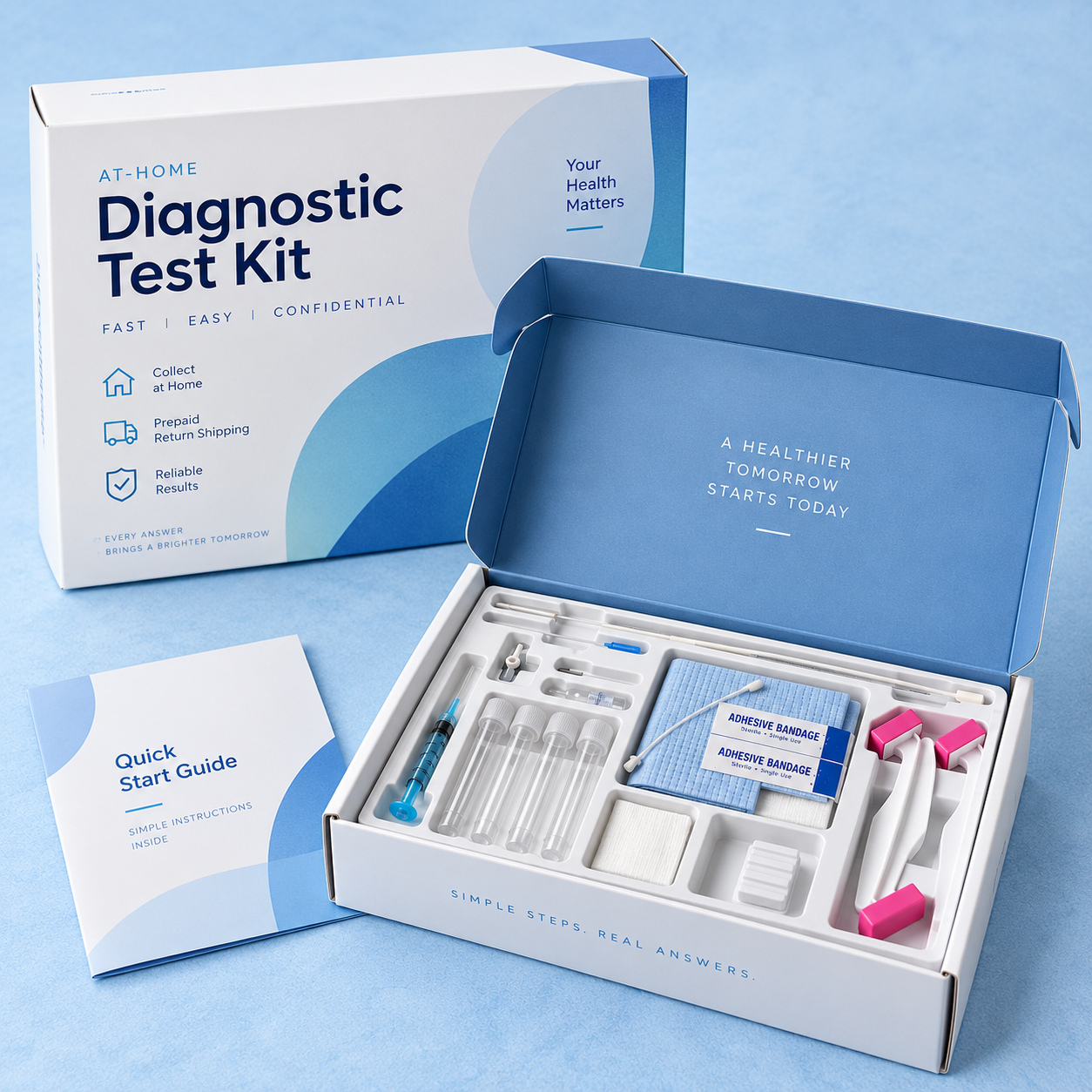
Diagnostic programs may involve assembling components, instructions, labels, and packaging materials into finished kits.

Consumer Products

Consumer brands may use contract packaging for launches, multipacks, repackaging, promotional programs, and retail-ready configurations.

Retail Programs

Retail programs may require cartons, trays, point-of-purchase displays, promotional packaging, or retail-ready packaging.

E-Commerce and Direct-to-Consumer

Brands selling directly to consumers may combine packaging operations with warehousing and fulfillment.

How Much Does Contract Packaging Cost?

There is no single standard price for contract packaging because pricing depends on the requirements of the individual project.

  • Production volume
  • Number of SKUs
  • Packaging format
  • Packaging components
  • Materials
  • Labor requirements
  • Equipment requirements
  • Quality requirements
  • Assembly complexity
  • Labeling requirements
  • Storage requirements
  • Freight and logistics
  • Fulfillment requirements
  • Production timeline

Need a Contract Packaging Quote?

Tell QPSI about your product, packaging requirements, volume, and timeline.

Discuss Your Project

What Information Should You Have Before Contacting a Contract Packager?

You do not need every detail finalized before contacting a packaging partner. However, providing the right information upfront can make the initial project review much more productive.

  • Product type
  • Product dimensions
  • Current packaging format
  • Desired finished packaging
  • Estimated volume
  • Number of SKUs
  • Packaging components
  • Labeling requirements
  • Target launch date
  • Quality requirements
  • Storage requirements
  • Shipping destination
  • Fulfillment requirements
  • Photos, drawings, artwork, or samples

How Do You Choose a Contract Packaging Company?

Do you have experience with projects like mine?

Relevant experience can help identify potential operational challenges earlier.

Can you handle my expected volumes?

Discuss both current production needs and potential future growth.

Which operations are performed in-house?

This helps identify where additional vendors or handoffs may be required.

What quality processes are used?

Quality expectations should be established before production begins.

Can you support multiple packaging stages?

Determine whether packaging, assembly, displays, warehousing, and fulfillment can be coordinated through one provider.

Why Brands Work With QPSI

Packaging rarely exists in isolation.

A finished product can move through design, packaging, assembly, quality processes, retail preparation, warehousing, and fulfillment before it reaches the customer.

QPSI helps brands connect more of those steps through one partner.

  • Contract packaging
  • Kitting and assembly
  • Primary and secondary packaging
  • Retail product packaging
  • Retail display packaging
  • Health and wellness packaging
  • OTC packaging
  • Diagnostic kitting
  • Design and prototyping
  • Analytical laboratory services
  • Warehousing
  • Direct-to-consumer fulfillment
Your Product. Your Packaging. Your Display.

One partner to help bring the pieces together.

Contract Packaging FAQs

What is contract packaging?

Contract packaging is when a business outsources packaging operations to a third-party packaging provider.

Is contract packaging the same as co-packing?

The terms are often used interchangeably and generally refer to outsourcing packaging operations to a specialized provider.

What is a contract packager?

A contract packager is a company that performs packaging operations for another business under an agreed scope of work.

What is the difference between a co-packer and a contract manufacturer?

A contract manufacturer primarily produces the product, while a contract packager primarily handles packaging and preparation for distribution, retail, or fulfillment.

Can contract packaging include fulfillment?

Yes. Some contract packaging providers also offer warehousing, fulfillment, and distribution services.

Can a contract packager help with retail displays?

Some contract packaging companies also support retail display packaging, display assembly, and retail-ready packaging.

Ready to Discuss Your Packaging Project?

Whether you are launching a new product, developing retail packaging, assembling kits, or looking to consolidate packaging and fulfillment, QPSI can help evaluate your next step.

Request a Quote
Explore QPSI’s unique initiatives and services that extend beyond packaging, designed to drive innovation, support growth, and create lasting impact.

Explore QPSI’s unique initiatives and services that extend beyond packaging, designed to drive innovation, support growth, and create lasting impact.