OTC Packaging: What Brands Need to Know Before Choosing a Packaging Partner

OTC Packaging: What Brands Need to Know Before Choosing a Packaging Partner/

OTC Packaging Guide

OTC packaging requires more than putting a product into a box. Brands need to consider packaging format, labeling, quality requirements, production accuracy, retail presentation, scalability, and how the finished product will move through the supply chain.

The right OTC packaging partner should understand the operational requirements behind the product and be able to consistently execute the approved packaging configuration.

This guide explains what OTC packaging involves, which capabilities brands should evaluate, and what to ask before selecting a contract packaging company.

Updated September 2026 | QPSI Packaging Insights

What Is OTC Packaging?

OTC packaging refers to the packaging operations used to prepare over-the-counter products for distribution, retail, or the end customer.

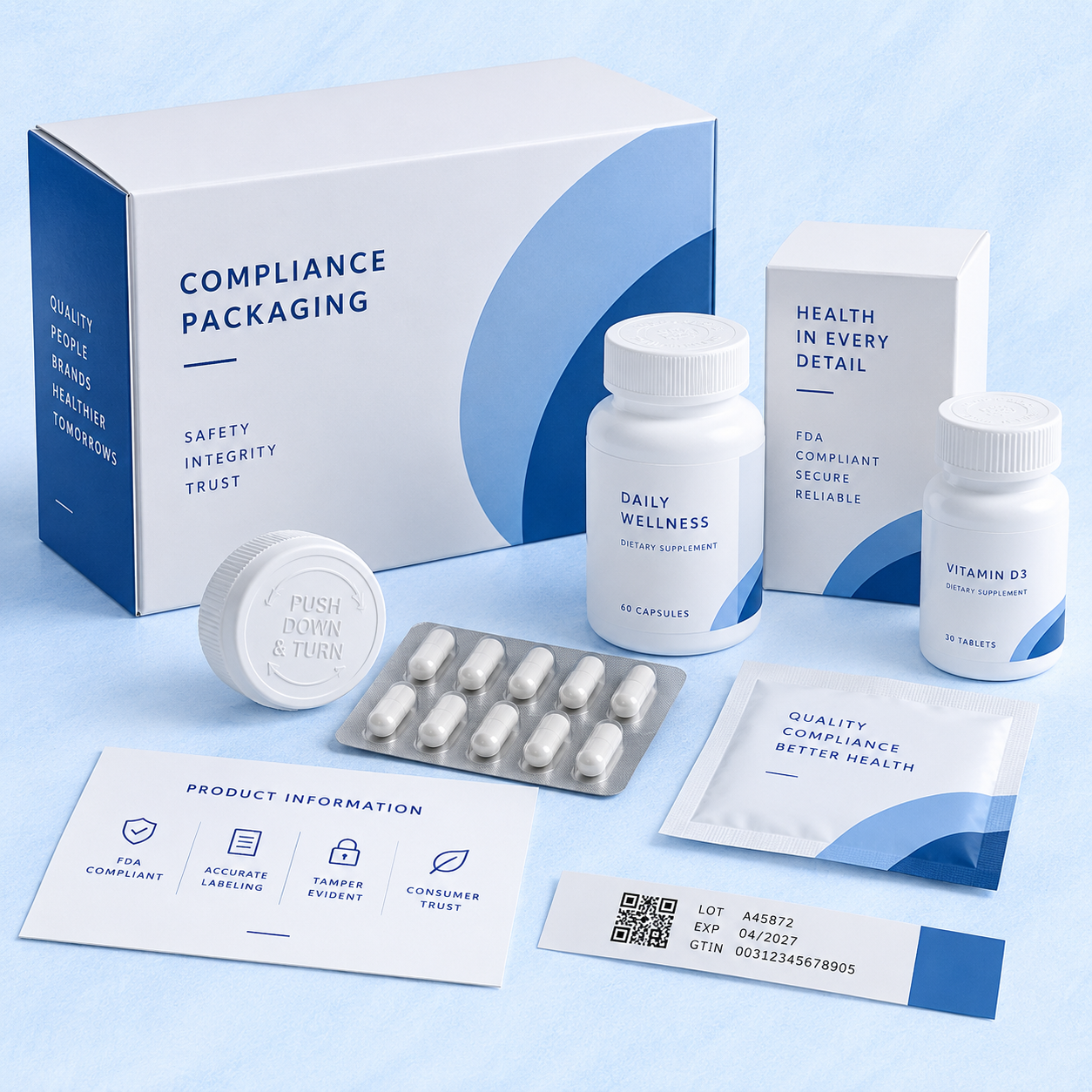
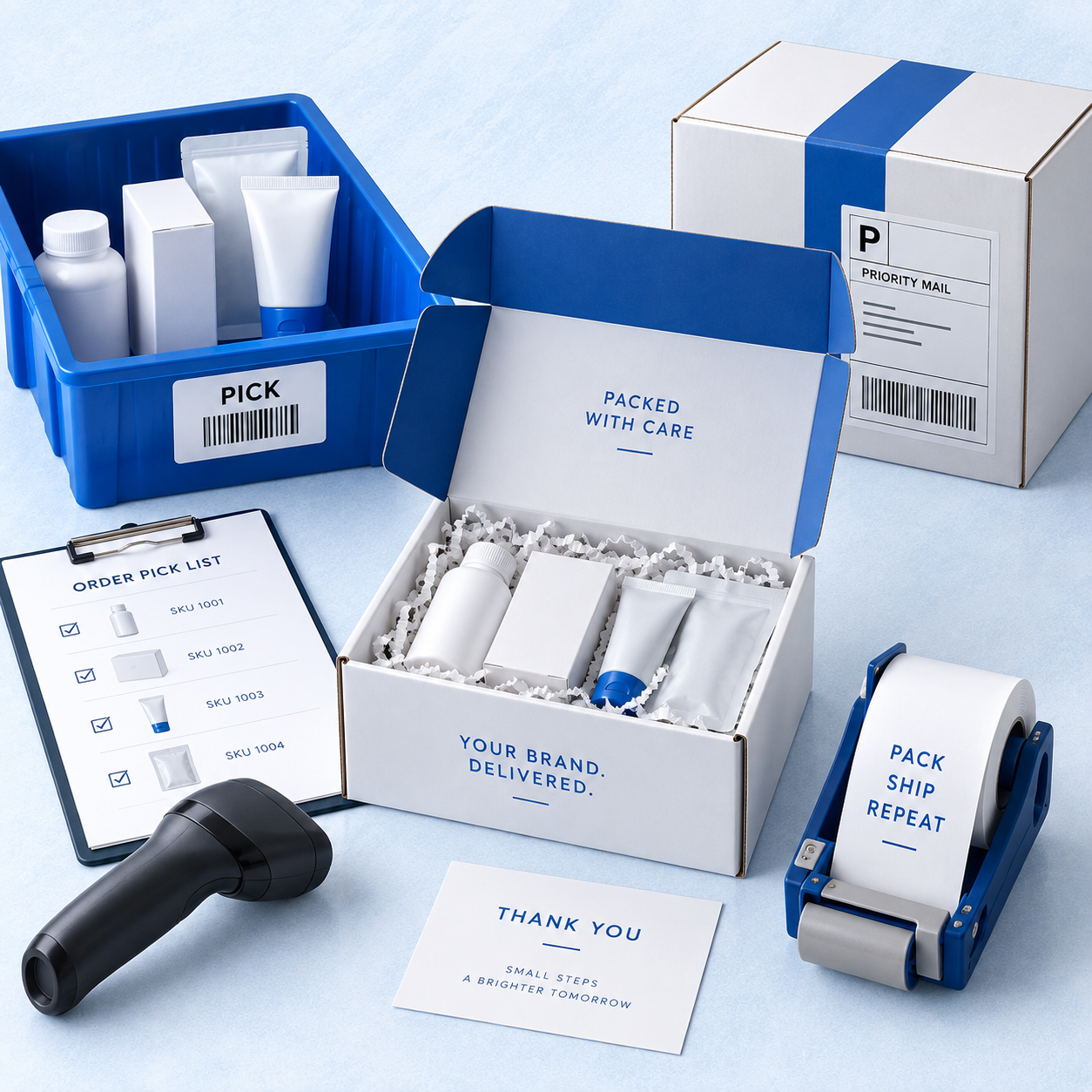
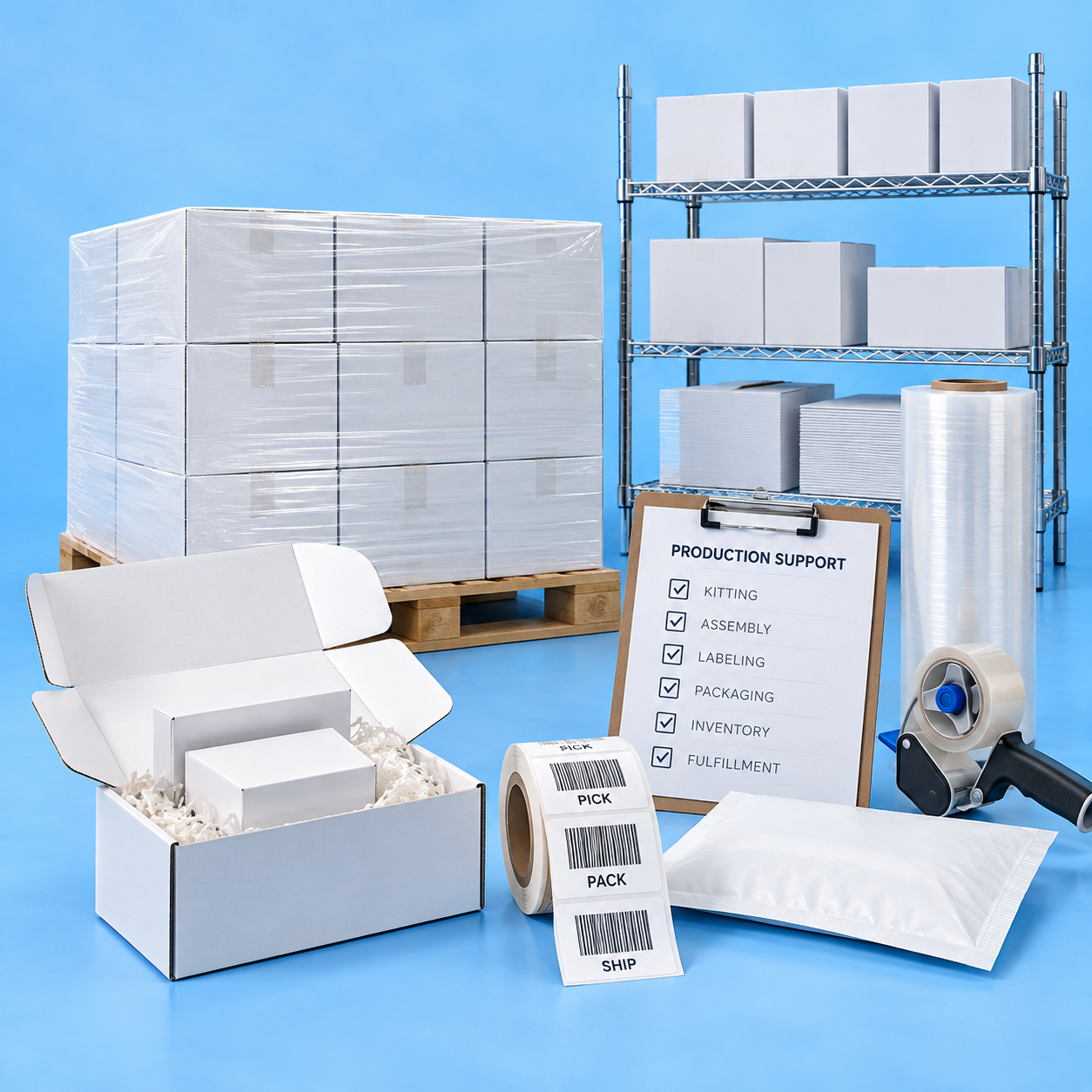
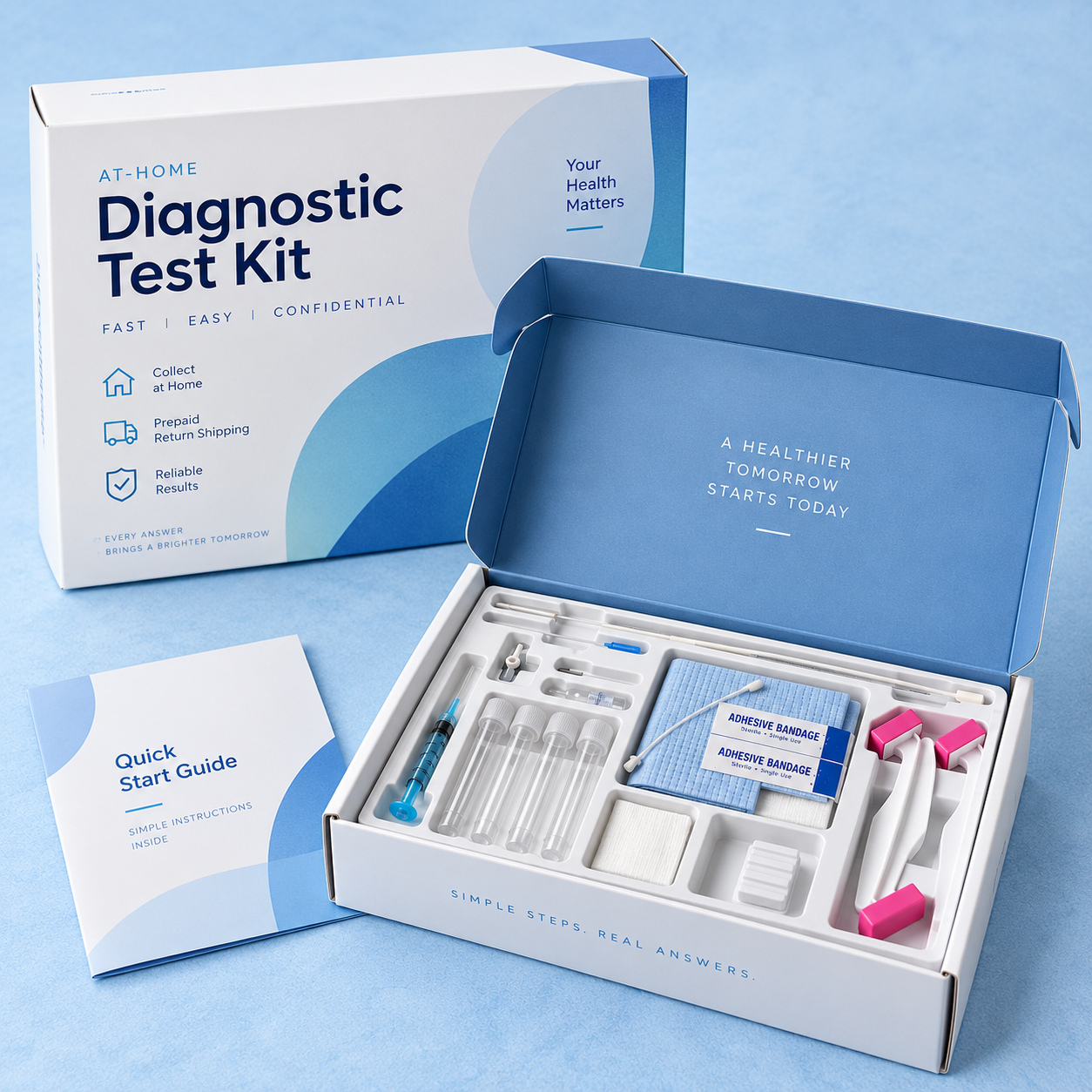
Depending on the product and project, those operations may include primary packaging, labeling, secondary packaging, cartoning, multipacking, kitting, retail display preparation, quality inspection, warehousing, and fulfillment.

Some brands perform these operations internally. Others work with a contract packaging company that provides the labor, equipment, processes, facilities, and production capacity needed to complete the packaging program.

Quick Answer

OTC packaging is the process of preparing an over-the-counter product in its approved packaging configuration so it can move safely and consistently through distribution, retail, and ultimately to the consumer.

New to outsourcing packaging? Read our complete guide to contract packaging.

Why Does OTC Packaging Matter?

Packaging is one of the final operational steps before an OTC product reaches distribution, a retailer, or the consumer.

Errors made during packaging can create problems far beyond the packaging line.

Depending on the program, packaging mistakes may include:

  • Incorrect labels
  • Wrong packaging components
  • Missing inserts
  • Incorrect product counts
  • Damaged cartons
  • Incorrect SKU configurations
  • Outdated artwork
  • Incorrect retail packs

A strong packaging process is therefore built around consistency, documented requirements, quality controls, and clear communication.

How Does the OTC Packaging Process Work?

Every OTC packaging program is different, but a typical project may move through the following stages.

1. Define the Packaging Requirements

The product, packaging format, volume, SKU count, components, labeling requirements, timeline, and final configuration are established before production.

2. Review Components and Specifications

Packaging materials, labels, cartons, inserts, product information, production instructions, and other requirements should be reviewed before the project reaches the packaging line.

3. Prepare the Packaging Operation

The packaging provider establishes the production process, equipment, labor requirements, quality checks, and material flow needed for the program.

4. Perform Packaging and Assembly

Products are packaged according to the approved specifications. Depending on the project, several operations may be completed in sequence.

5. Complete Quality Checks

Defined checks help confirm that finished goods match the approved project requirements.

6. Prepare Finished Goods

Finished products may be packed into shipping cases, prepared for retail, placed into displays, transferred to warehousing, or moved toward fulfillment and distribution.

Common OTC Packaging Formats

OTC products can appear in many packaging formats depending on the product, consumer use, retail channel, and applicable requirements.

Common packaging formats may include:

  • Bottles
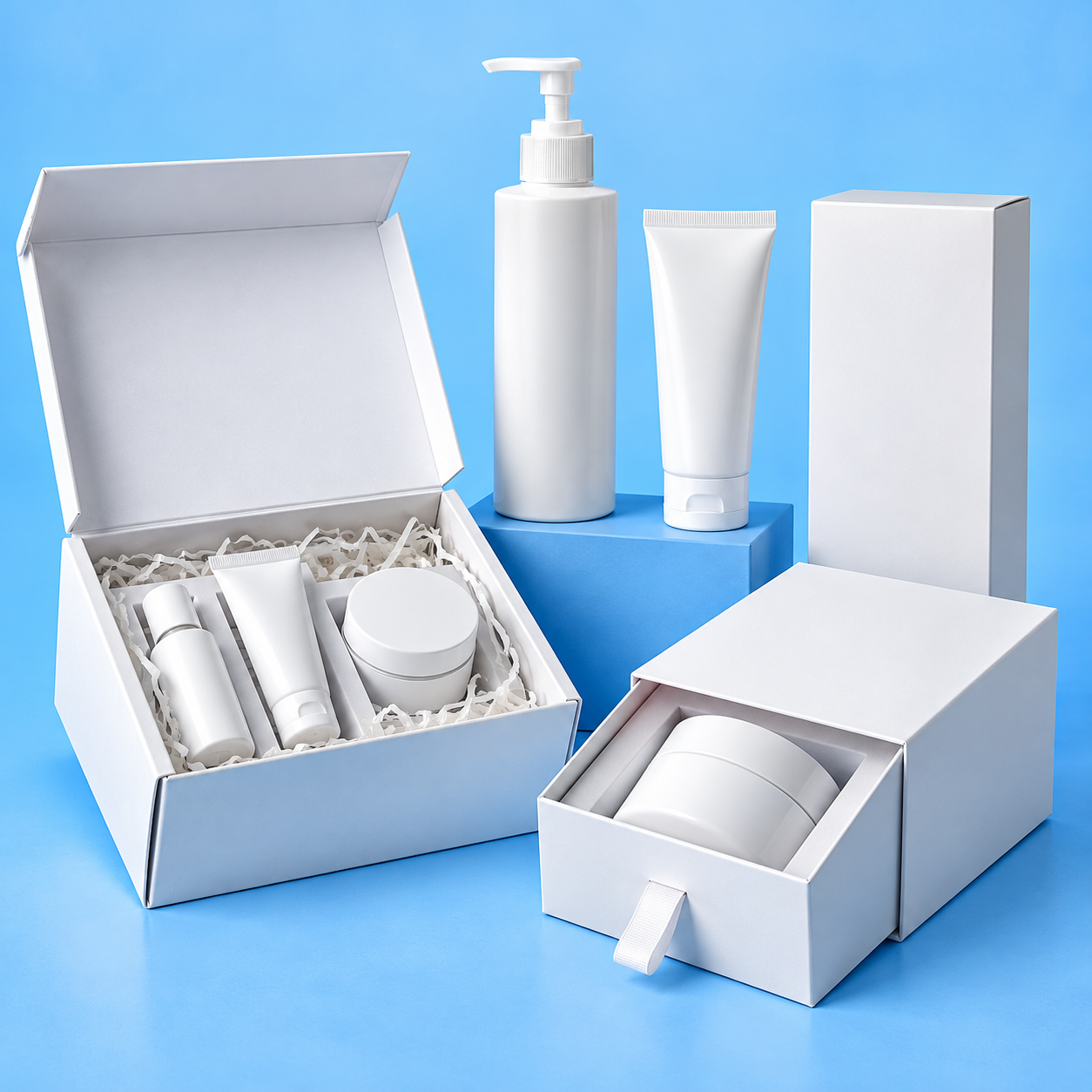
  • Cartons
  • Pouches
  • Sachets
  • Blister configurations
  • Multipacks
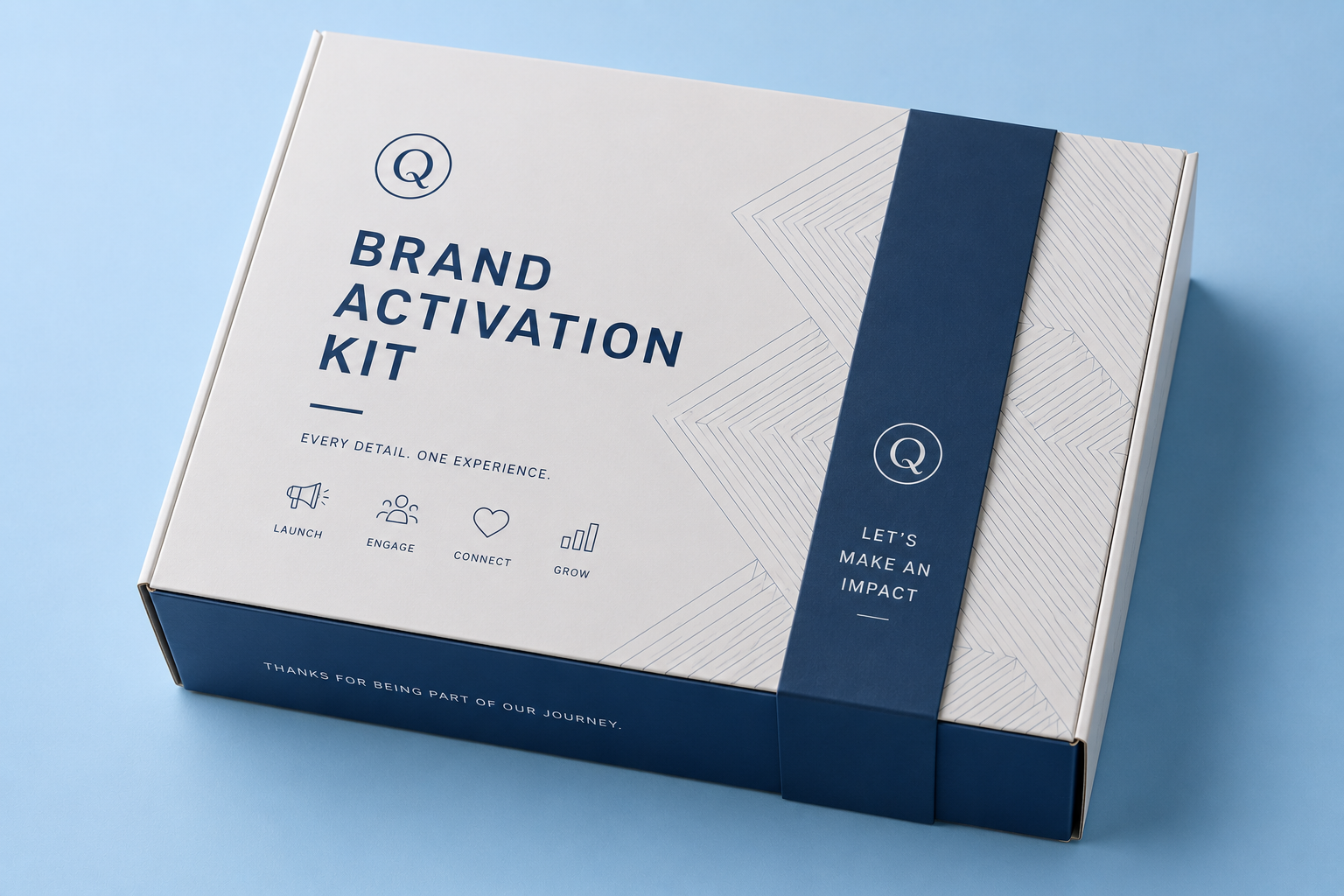
  • Kits
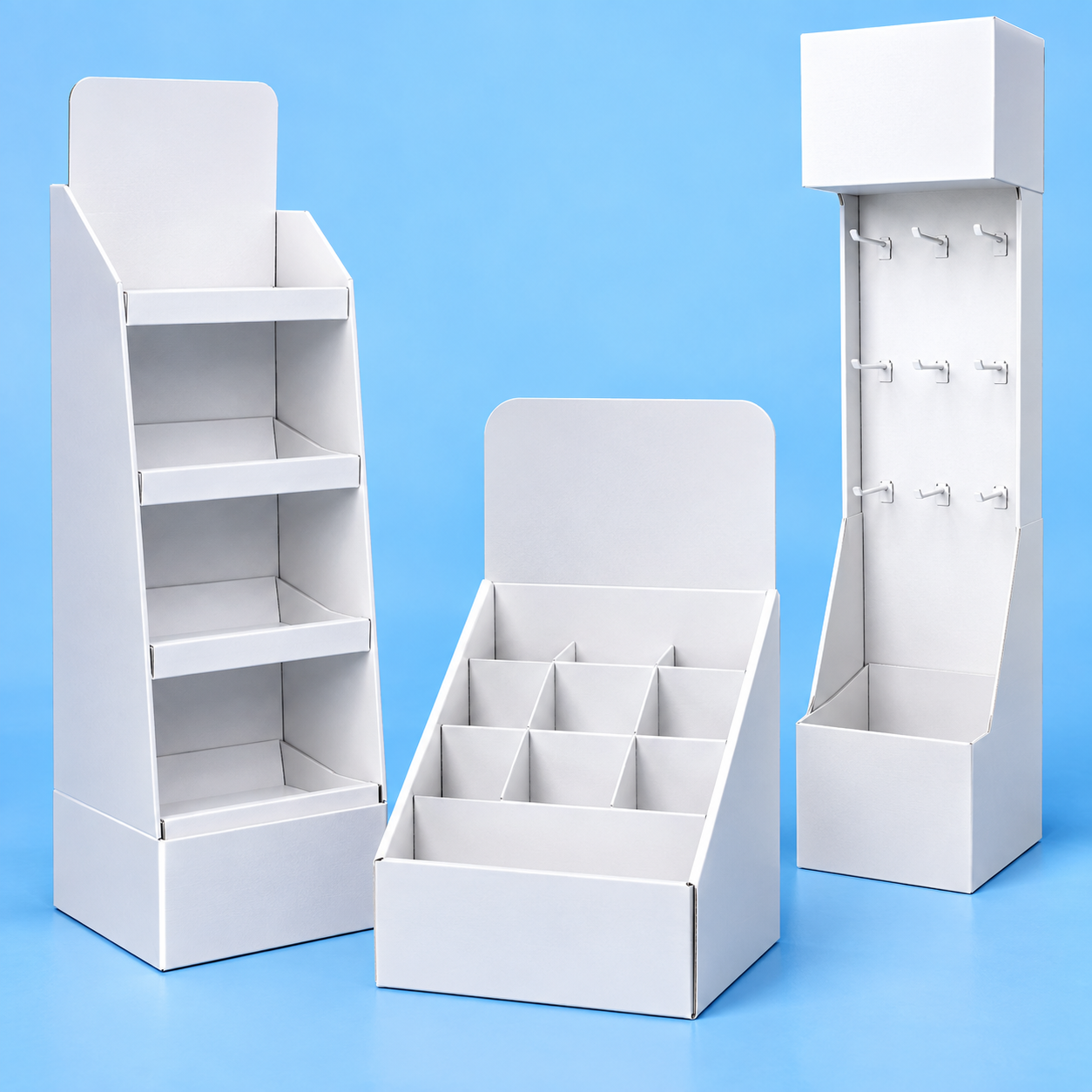
  • Display-ready cartons
  • Retail trays
  • Point-of-purchase displays

A single product may also use several packaging layers.

Example Packaging Flow

Product → Primary Package → Retail Carton → Display or Shipping Case → Distribution

Why Is Labeling Important in OTC Packaging?

Labeling is a critical part of many OTC packaging programs because the label connects the physical product to its approved product information and packaging configuration.

Packaging teams need clear control over which label, carton, insert, and artwork version belongs to each SKU.

A packaging program may need to control:

  • Correct label selection
  • Correct SKU
  • Artwork version
  • Placement
  • Lot or production information when applicable
  • Packaging component matches
  • Retail configuration

Exact requirements depend on the specific OTC product, packaging format, and applicable regulatory and customer requirements.

How Should Quality Be Managed in OTC Packaging?

Quality should be built into the packaging process rather than treated as a final visual check.

Before production begins, the brand and packaging partner should clearly define what the finished product is expected to look like and which requirements must be verified.

Depending on the project, checks may include:

  • Correct product
  • Correct components
  • Correct label
  • Correct artwork version
  • Correct count
  • Correct carton or kit configuration
  • Package appearance
  • Finished case configuration

For regulated products, brands should also ensure their packaging program aligns with the applicable regulatory, quality, and documentation requirements for that product.

What Role Does Secondary Packaging Play in OTC Products?

Secondary packaging surrounds or groups already packaged products.

For OTC brands, that may include cartons, multipacks, display-ready packaging, kits, retail trays, and shipping cases.

Secondary packaging can serve several functions at once:

  • Protect finished products
  • Group units together
  • Organize products for retail
  • Support merchandising
  • Provide additional brand communication
  • Prepare products for distribution

This is why secondary packaging should be considered early in the project rather than treated as an afterthought.

How Should OTC Brands Prepare Products for Retail?

Getting a product packaged is not always the final step.

Products entering retail may need specific carton configurations, multipacks, trays, displays, case packs, labels, or other retailer-specific preparation.

Brands should understand those requirements before the packaging program is finalized.

Ask:

  • How many units belong in each case?
  • Will the product require a display?
  • Does the retailer require a specific configuration?
  • How will the product be presented on shelf?
  • Will packaging need to support multiple retail channels?
Think Beyond the Packaging Line

The best packaging configuration is one that works not only during production, but also through shipping, distribution, retail, and consumer use.

How Do You Choose an OTC Packaging Partner?

Choosing an OTC packaging company should involve more than comparing unit prices.

Evaluate how the provider will support the entire program.

Experience

Ask whether the provider has experience working with similar products, packaging formats, volumes, or industries.

Quality Systems

The provider should be able to clearly explain how requirements are documented, production is controlled, and finished goods are checked.

Capacity

Make sure the company can support current production needs and potential growth.

Multiple Capabilities

Consider whether the company can support packaging, kitting, secondary packaging, displays, warehousing, and fulfillment if the project eventually needs those services.

Communication

You should know who manages the project, how approvals are handled, and how production changes are communicated.

Scalability

Ask what happens if production volume increases, more SKUs are added, or the product expands into new channels.

Questions to Ask an OTC Contract Packaging Company

  1. Have you handled packaging programs similar to ours?
  2. Which operations are performed internally?
  3. How do you control packaging specifications?
  4. How do you manage label and artwork versions?
  5. What quality checks are included?
  6. What production volumes can you support?
  7. Can you handle multiple SKUs?
  8. Can you support secondary packaging?
  9. Can you support retail display packaging?
  10. Do you offer warehousing?
  11. Do you offer fulfillment?
  12. How are project changes handled?

What Information Does an OTC Packaging Company Need for a Quote?

A clearly defined project helps a packaging provider determine whether it has the right capabilities and prepare meaningful pricing.

Provide as much of the following as possible:

  • Product type
  • Product dimensions
  • Packaging format
  • Estimated production volume
  • Number of SKUs
  • Packaging components
  • Labels
  • Cartons
  • Inserts
  • Quality requirements
  • Desired completion date
  • Retail requirements
  • Shipping destination
  • Warehousing needs
  • Fulfillment needs
  • Artwork, drawings, photos, or samples

Planning an OTC Packaging Project?

Tell QPSI about your product, packaging configuration, production volume, timeline, and next destination.

Discuss Your Project

Why Consider QPSI for OTC Packaging?

OTC packaging programs often involve more than one operation.

A product may require packaging, labeling, secondary packaging, retail preparation, warehousing, and fulfillment before it reaches its final destination.

QPSI helps brands connect more of those stages through one partner.

QPSI capabilities include:

  • Contract packaging
  • Kitting and assembly
  • Primary packaging
  • Secondary packaging
  • OTC packaging
  • Health and wellness packaging
  • Retail product packaging
  • Retail display packaging
  • Design and prototyping
  • Analytical laboratory services
  • Warehousing
  • Direct-to-consumer fulfillment
Your Product. Your Packaging. Your Display.

One partner can help reduce unnecessary handoffs between packaging, retail preparation, warehousing, and fulfillment.

OTC Packaging FAQs

What is OTC packaging?

OTC packaging refers to packaging operations used to prepare over-the-counter products for distribution, retail, or consumers.

What services can an OTC packaging company provide?

Services may include primary packaging, labeling, secondary packaging, cartoning, multipacking, kitting, retail display preparation, warehousing, and fulfillment depending on the provider.

Can an OTC packaging company handle multiple SKUs?

Many providers can support multiple SKUs, but brands should confirm available capacity, changeover requirements, component control, and how each SKU will be managed.

Can OTC packaging include retail displays?

Yes. Some packaging providers also support retail trays, display-ready packaging, point-of-purchase displays, and display assembly.

Can OTC packaging include fulfillment?

Some contract packaging providers also offer warehousing and fulfillment, allowing finished products to move directly from packaging toward their next destination.

How much does OTC contract packaging cost?

Pricing depends on factors such as production volume, number of SKUs, packaging format, materials, labor, equipment requirements, labeling, quality requirements, secondary packaging, warehousing, and fulfillment.

OTC Packaging Solutions

Looking for an OTC Packaging Partner?

Tell QPSI what you are packaging, your production volume, packaging format, timeline, and where the finished product needs to go.

Talk With QPSI

Related Packaging Resources

What Is Contract Packaging? A Complete Guide for Brands

Understand the complete contract packaging process and how outsourced packaging works.

Read the Guide →

How to Choose a Contract Packaging Company in New Jersey

Learn which capabilities, quality processes, and questions matter when comparing packaging companies.

Read the Guide →
Explore QPSI’s unique initiatives and services that extend beyond packaging, designed to drive innovation, support growth, and create lasting impact.

Explore QPSI’s unique initiatives and services that extend beyond packaging, designed to drive innovation, support growth, and create lasting impact.