Diagnostic Kitting: What It Is, How It Works, and What Brands Need From a Partner

Diagnostic Kitting: What It Is, How It Works, and What Brands Need From a Partner/

Diagnostic Kitting Guide

Diagnostic kitting is the process of assembling multiple medical, testing, packaging, and instructional components into one complete kit. A successful diagnostic kit must be accurate, consistent, clearly organized, and prepared according to the approved project requirements.

Depending on the program, a diagnostic kit may include collection components, printed instructions, labels, return packaging, inserts, cartons, and other materials that must be assembled into a repeatable configuration.

This guide explains how diagnostic kitting works, which capabilities matter, what quality considerations brands should evaluate, and how to choose a diagnostic kit packaging partner.

Updated September 2026 | QPSI Packaging Insights

What Is Diagnostic Kitting?

Diagnostic kitting is the process of assembling several individual components into one complete diagnostic or testing kit.

Instead of shipping each component separately, the required items are organized, packed, labeled, and prepared as one finished unit.

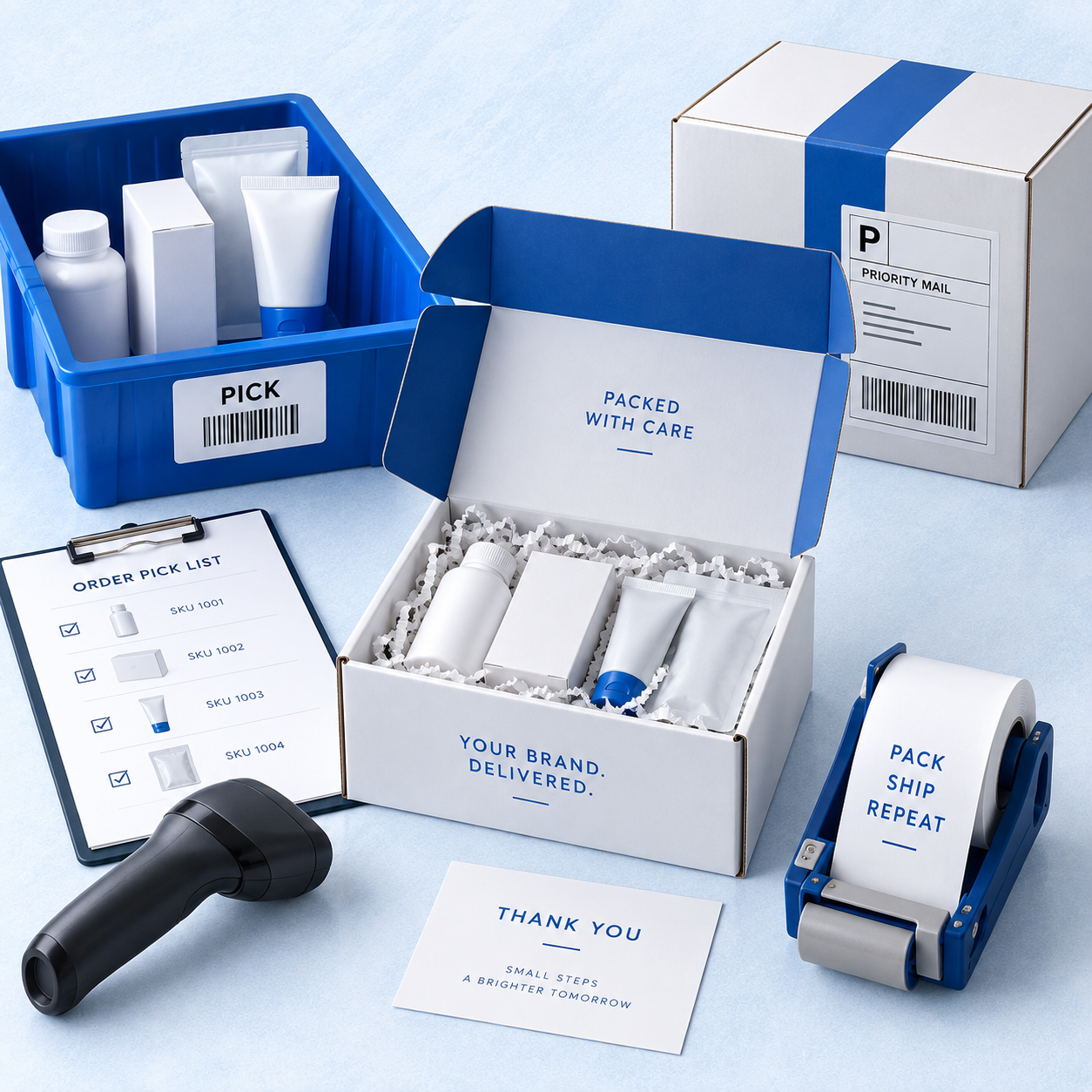
Depending on the program, a contract packaging or kitting partner may receive components from multiple suppliers, verify incoming materials, assemble the required configuration, apply labels, insert instructions, complete secondary packaging, perform quality checks, and prepare finished kits for warehousing or fulfillment.

Quick Answer

Diagnostic kitting combines all required components of a testing program into one complete, repeatable, and quality-controlled finished kit.

What Is Included in a Diagnostic Kit?

The exact contents depend on the testing program.

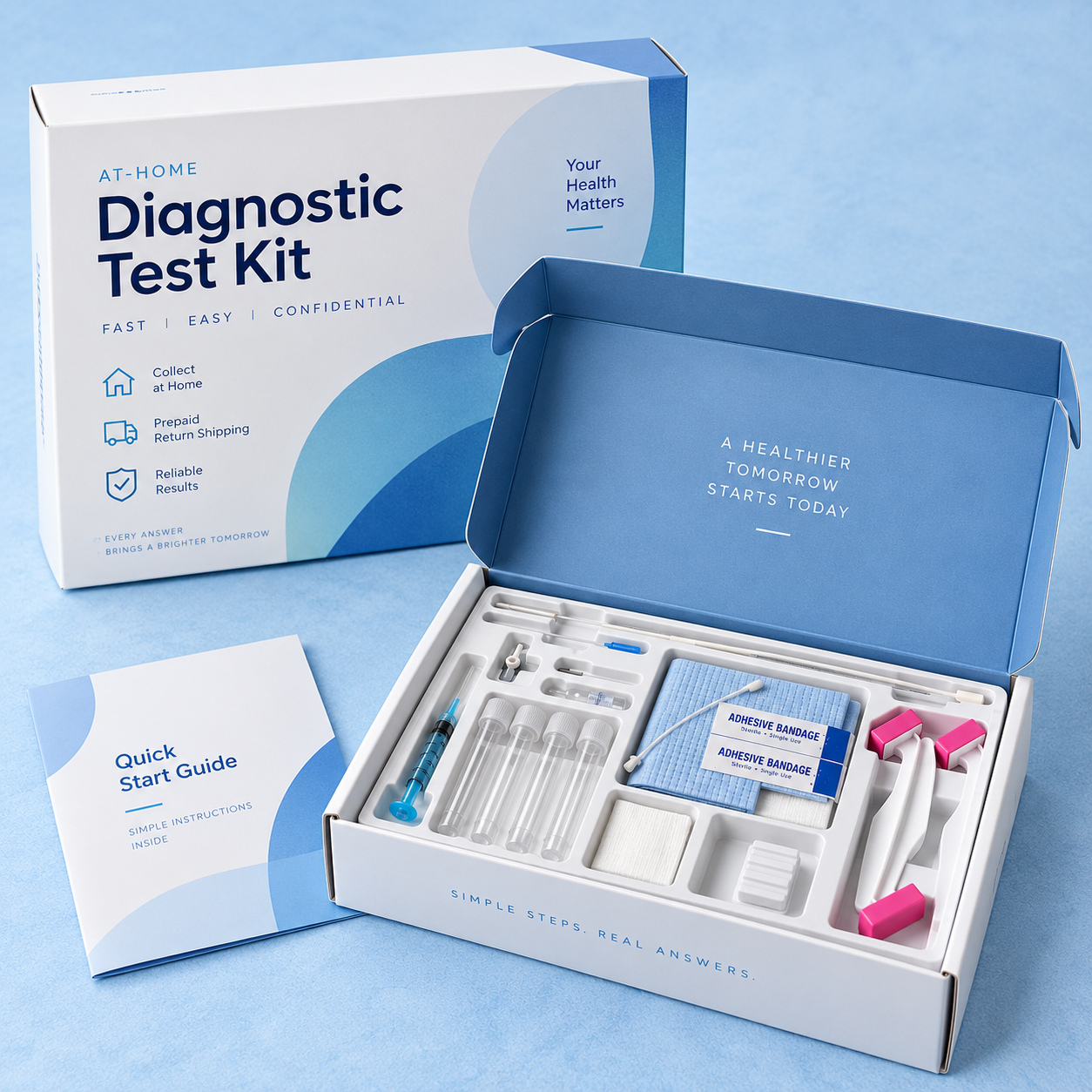
A diagnostic kit may include:

  • Collection components
  • Sample containers
  • Swabs or collection devices
  • Printed instructions
  • Labels
  • Identification materials
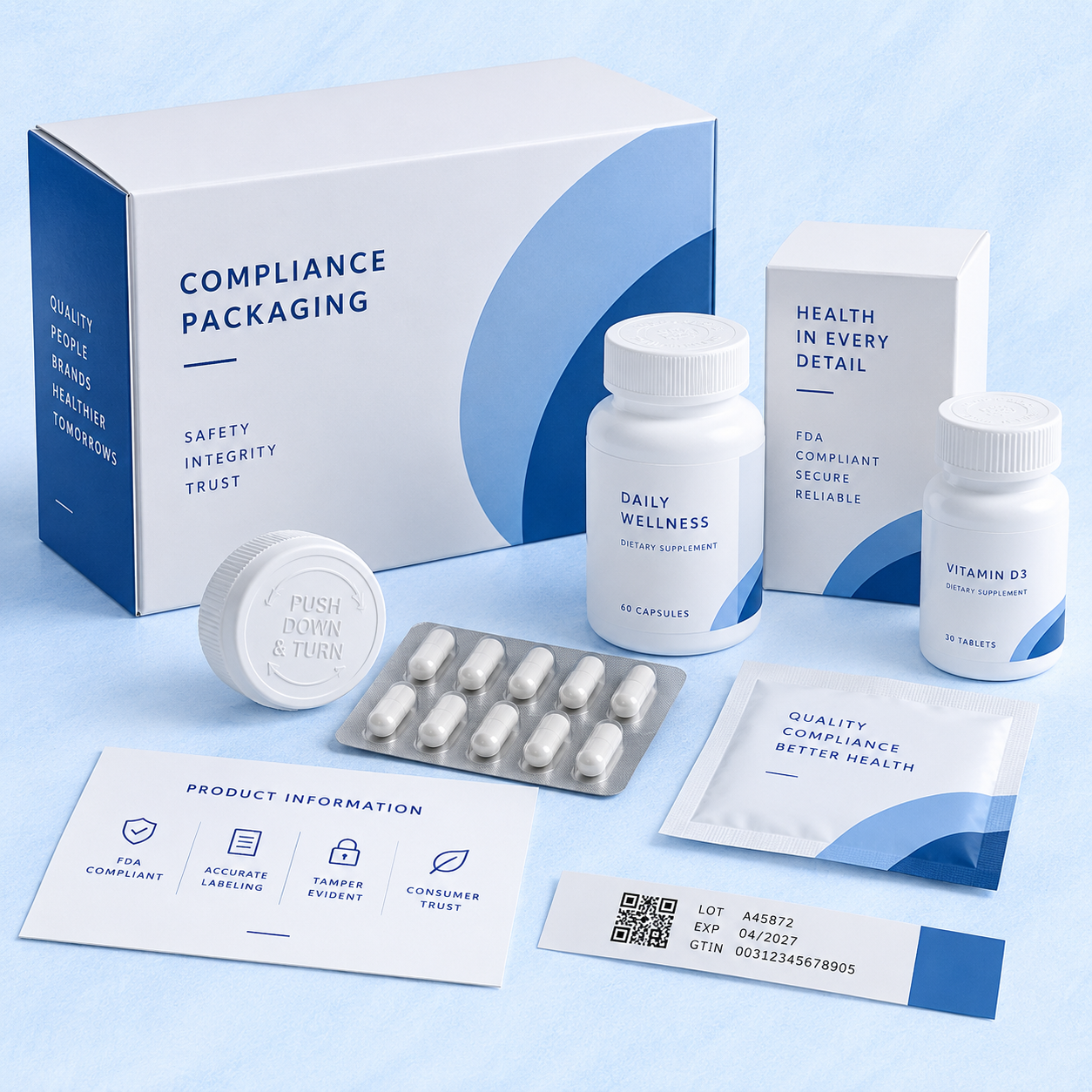
  • Protective packaging
  • Return materials
  • Inserts
  • Cartons
  • Pouches
  • Shipping materials

A kit may contain only a few items or many individual components. The more complex the configuration, the more important a clearly defined assembly and quality process becomes.

How Does the Diagnostic Kitting Process Work?

Diagnostic kitting typically follows a defined sequence to help ensure each finished kit contains the correct components in the correct configuration.

Step 1: Define the Kit Configuration

The brand and kitting partner establish which components belong in the kit, how many of each item are required, how they should be arranged, and which packaging materials are needed.

Step 2: Receive Components

Components may arrive from one supplier or several different sources.

The kitting operation must organize those materials before assembly begins.

Step 3: Review Materials

Incoming materials may be reviewed against project requirements before they enter production.

Step 4: Assemble the Kit

Each required component is placed into the approved configuration according to the project's assembly instructions.

Step 5: Add Instructions and Labels

Printed materials, inserts, labels, or other required information are added according to the approved specifications.

Step 6: Complete Quality Checks

Finished kits are checked against defined requirements to help confirm that the correct components and quantities are present.

Step 7: Pack Finished Kits

Completed kits may be placed into shipping cases, retail packaging, fulfillment packaging, or another final configuration.

Why Is Quality Important in Diagnostic Kitting?

Diagnostic kits rely on consistency.

If a required item is missing, the wrong component is included, instructions are incorrect, or labels do not match the kit configuration, the finished product may not function as intended.

Depending on the program, quality checks may include:

  • Correct component verification
  • Correct component quantity
  • Correct instructions
  • Correct label
  • Correct packaging configuration
  • Correct artwork version
  • Finished package appearance
  • Case pack verification

The exact quality process should be based on the requirements of the specific diagnostic program.

What Packaging Is Used for Diagnostic Kits?

Diagnostic kit packaging depends on the components, how the kit will be distributed, how it will be used, and how the finished product needs to be protected.

Packaging may include:

  • Folding cartons
  • Corrugated boxes
  • Pouches
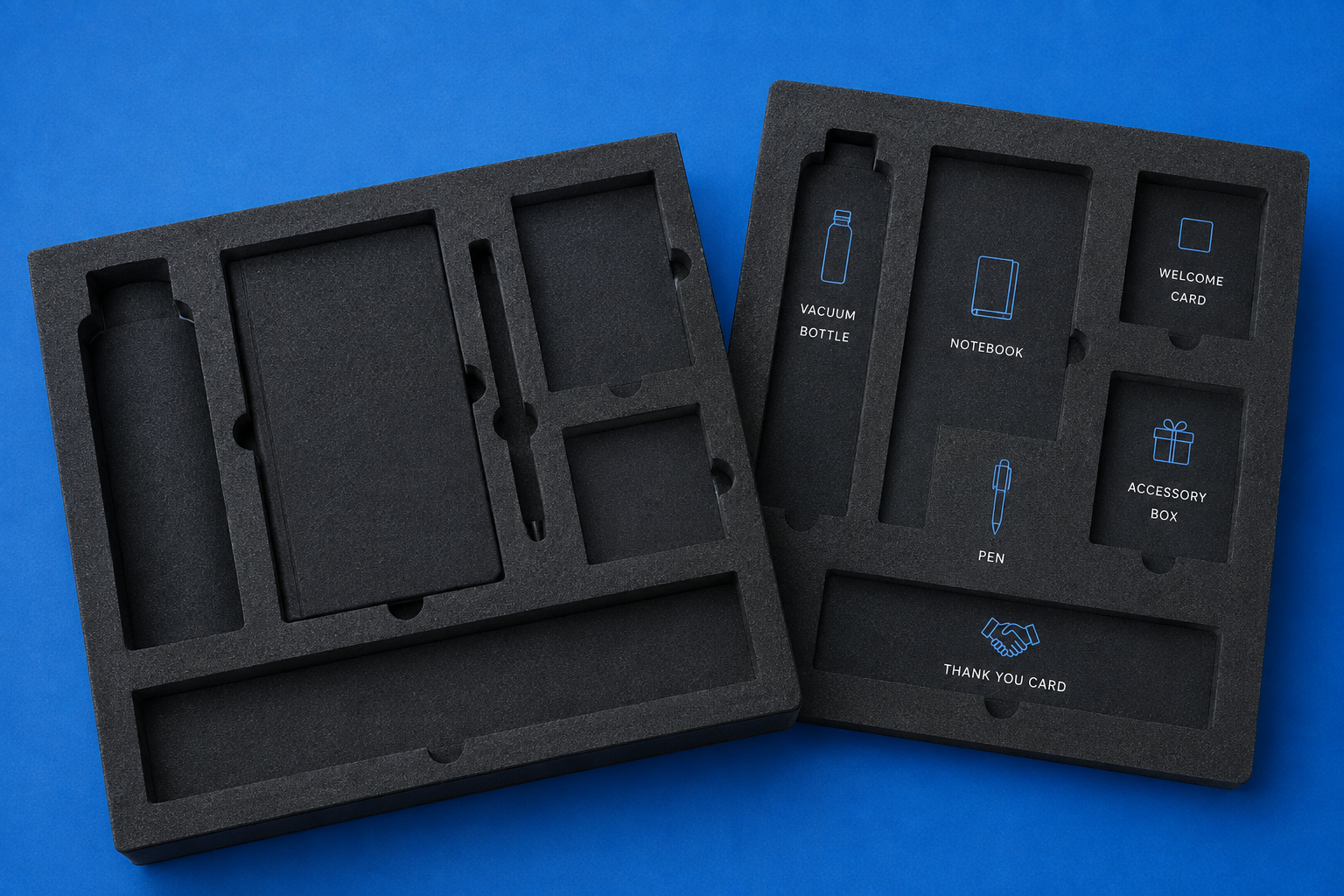
  • Protective inserts
  • Dividers
  • Instruction packets
  • Return packaging
  • Shipping cases
Think of the Kit as a Complete System

The components, instructions, labels, interior organization, outer packaging, and final shipping configuration all need to work together.

How Should Labeling Be Managed in Diagnostic Kit Packaging?

Labels and printed materials must match the correct kit configuration.

This becomes especially important when a program includes multiple SKUs, kit versions, instructions, or packaging configurations.

A strong process may need to control:

  • Label version
  • Kit SKU
  • Instruction version
  • Carton artwork
  • Component selection
  • Packaging configuration

Can Diagnostic Kitting Scale With Demand?

Yes, but scalability should be discussed before choosing a kitting partner.

A pilot program may begin with relatively small quantities and later expand significantly.

Brands should ask:

  • Can the provider support larger production volumes?
  • Can additional SKUs be added?
  • Can kit configurations change?
  • Can production be accelerated if demand increases?
  • Can warehousing or fulfillment be added later?

Choosing a partner that can support both initial and future requirements may reduce the need to move the program to another provider later.

How Do You Choose a Diagnostic Kitting Partner?

A diagnostic kitting partner should be evaluated based on more than production price.

Experience With Complex Assembly

Ask whether the provider has experience managing multi-component kits and projects with several SKUs or configurations.

Quality Processes

The partner should be able to explain how kit requirements are documented and how finished kits are checked.

Component Management

Complex kits may involve components from several suppliers. Ask how materials are organized, identified, and staged for assembly.

Scalability

Determine whether the provider can support future volume increases or additional kit versions.

Packaging Capabilities

Consider whether the partner can support cartons, inserts, secondary packaging, shipping cases, and other packaging requirements.

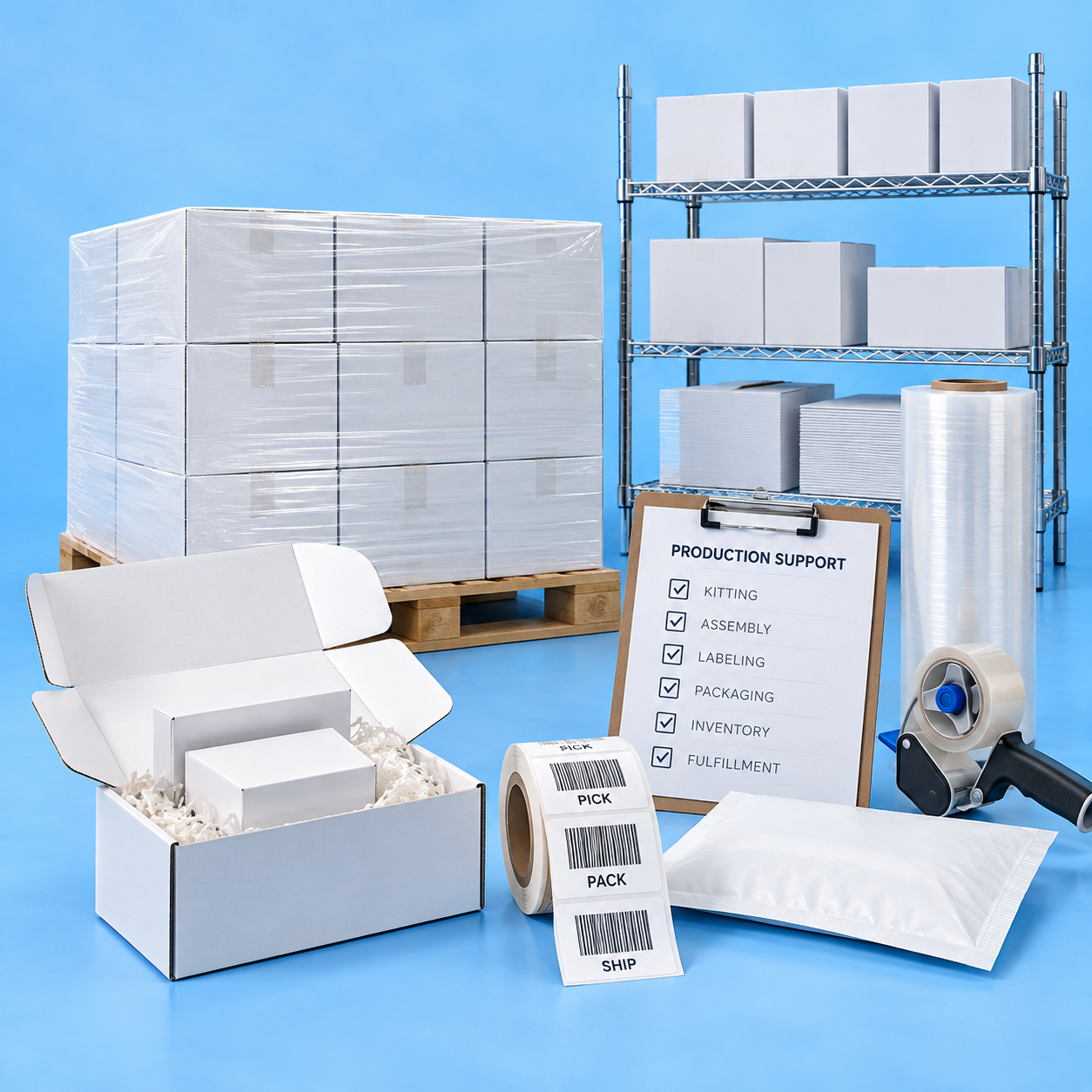
Warehousing and Fulfillment

If finished kits need to be stored or shipped directly toward users, customers, healthcare organizations, or another destination, having those capabilities available may simplify the supply chain.

Questions to Ask a Diagnostic Kit Packaging Company

  1. Have you assembled multi-component kits before?
  2. How do you manage different kit configurations?
  3. How are incoming components controlled?
  4. How do you verify component counts?
  5. How do you manage labels and instructions?
  6. What quality checks are performed?
  7. Can you support multiple SKUs?
  8. Can you support pilot quantities?
  9. Can you scale to larger volumes?
  10. Can you provide secondary packaging?
  11. Do you provide warehousing?
  12. Do you provide fulfillment?

What Information Is Needed for a Diagnostic Kitting Quote?

Providing clear project information helps a kitting company understand the scope and determine whether its capabilities align with the program.

Try to provide:

  • Number of kits required
  • Number of SKUs
  • Complete component list
  • Quantity of each component per kit
  • Packaging format
  • Assembly instructions
  • Labels
  • Printed instructions
  • Artwork
  • Quality requirements
  • Target production date
  • Shipping requirements
  • Warehousing requirements
  • Fulfillment requirements
  • Photos, drawings, or physical samples

Planning a Diagnostic Kitting Project?

Tell QPSI how many kits you need, what components are included, your desired packaging configuration, and where the finished kits need to go.

Discuss Your Project

Why Consider QPSI for Diagnostic Kitting?

Diagnostic kit programs can involve many separate components, packaging materials, printed pieces, quality requirements, and logistics steps.

QPSI helps bring more of those activities together through one partner.

QPSI capabilities include:

  • Diagnostic kitting
  • Kitting and assembly
  • Contract packaging
  • Primary and secondary packaging
  • Labeling
  • Printed inserts
  • Retail product packaging
  • Design and prototyping
  • Warehousing
  • Direct-to-consumer fulfillment
One Kit. Many Moving Parts.

A strong kitting partner helps bring components, packaging, assembly, quality, and final distribution requirements into one repeatable process.

Diagnostic Kitting FAQs

What is diagnostic kitting?

Diagnostic kitting is the process of assembling the components required for a diagnostic or testing program into one complete finished kit.

What is included in a diagnostic test kit?

Contents vary by program but may include collection devices, sample containers, labels, instructions, inserts, protective packaging, return materials, and outer packaging.

Can a contract packager assemble diagnostic kits?

Some contract packaging companies offer kitting and assembly capabilities for diagnostic and healthcare programs.

Can diagnostic kitting include fulfillment?

Yes. Some kitting providers also offer warehousing and fulfillment, allowing completed kits to move from assembly toward their next destination.

How much does diagnostic kitting cost?

Pricing depends on factors such as kit volume, number of components, number of SKUs, assembly complexity, packaging materials, labeling, quality requirements, storage, and fulfillment.

Diagnostic Kitting

Need a Partner for Your Diagnostic Kit Program?

Tell QPSI what components are included, your expected volume, packaging requirements, timeline, and where finished kits need to go.

Talk With QPSI
Explore QPSI’s unique initiatives and services that extend beyond packaging, designed to drive innovation, support growth, and create lasting impact.

Explore QPSI’s unique initiatives and services that extend beyond packaging, designed to drive innovation, support growth, and create lasting impact.