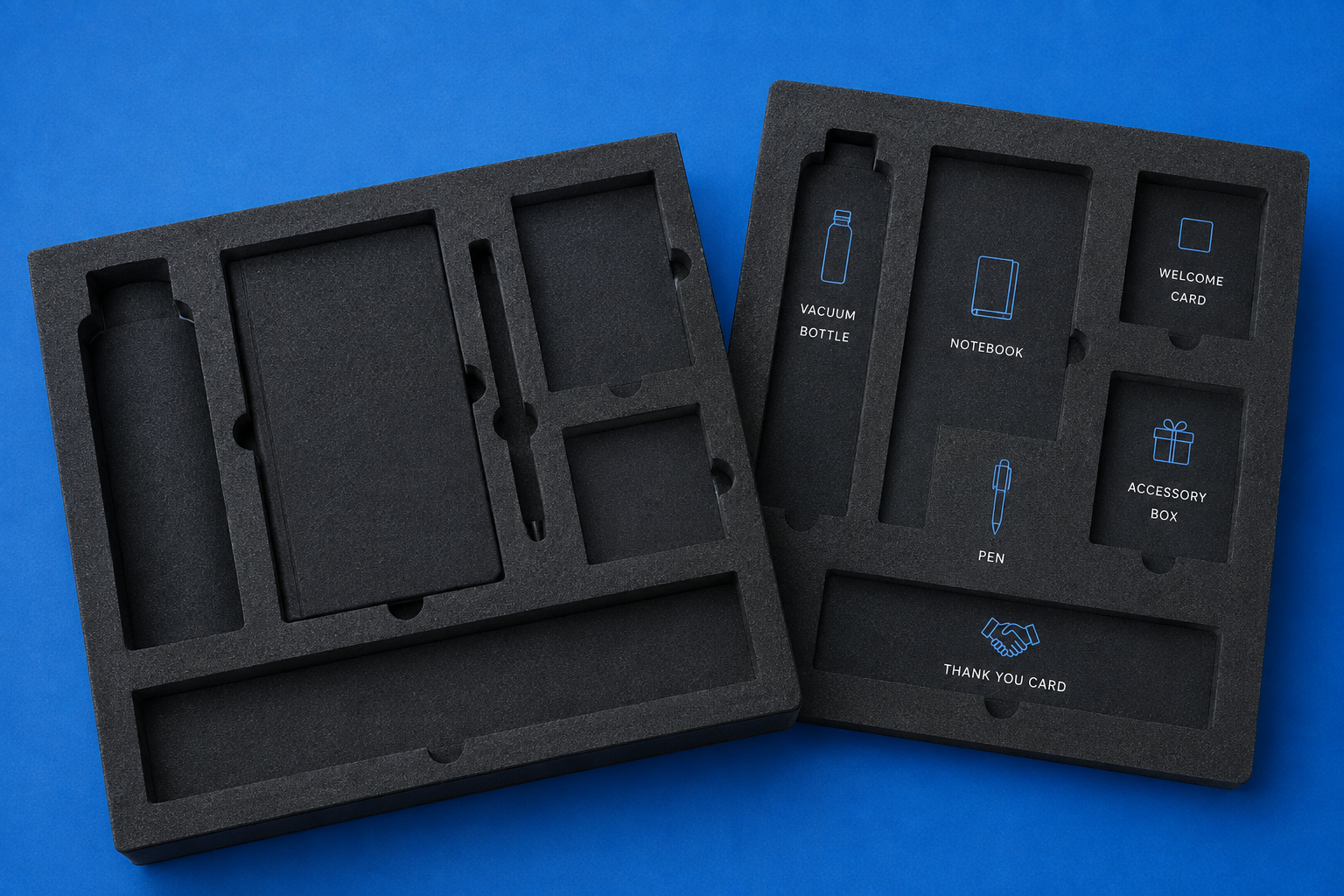
How to Choose a Contract Packaging Company in New Jersey

How to Choose a Contract Packaging Company in New Jersey/

New Jersey Contract Packaging Guide

Choosing the right contract packaging company in New Jersey requires more than comparing prices. Brands should evaluate capabilities, production capacity, quality processes, location, communication, scalability, and the number of services a packaging partner can manage under one roof.

The right packaging partner should not simply complete a task. They should help simplify your operation, reduce unnecessary handoffs, and provide the capabilities needed to move your product efficiently from packaging through its next destination.

This guide explains what to look for when comparing packaging companies in New Jersey, which questions to ask before requesting a quote, and how to determine whether a contract packager is the right fit for your project.

Updated September 2026 | QPSI Packaging Insights

What Does a Contract Packaging Company Do?

A contract packaging company performs packaging operations on behalf of another business.

Depending on the provider and the project, those services may include product assembly, labeling, primary packaging, secondary packaging, kitting, repackaging, retail display packaging, warehousing, and fulfillment.

Some brands outsource only one packaging operation. Others rely on a contract packager to coordinate several stages of the process.

If you are new to contract packaging, start with our full guide: What Is Contract Packaging?

Quick Answer

A strong contract packaging partner should have the equipment, labor, processes, quality controls, capacity, and project-management experience required to consistently complete your packaging program.

Why Consider a Contract Packaging Company in New Jersey?

Location should not be the only factor when selecting a packaging partner, but it can play an important role in the overall efficiency of a packaging program.

For brands, manufacturers, retailers, and distribution operations in the Northeast, working with a packaging company in New Jersey may help reduce unnecessary product movement and make project coordination easier.

Proximity to Your Supply Chain

If products, components, warehouses, distribution centers, or customers are already located in the Northeast, choosing a nearby packaging operation may reduce the number of long-distance transportation steps in the project.

Easier Project Coordination

Packaging projects frequently require samples, approvals, materials, prototypes, artwork reviews, and changing production requirements. Geographic proximity may make some of those interactions easier to coordinate.

Access to Major Northeast Markets

New Jersey sits within one of the most densely connected commercial regions in the United States, making it a practical location for many brands serving Northeast retail, distribution, and consumer markets.

What Should You Look for in a New Jersey Packaging Company?

Packaging companies can vary significantly in their capabilities.

One provider may specialize in a narrow packaging operation while another can manage several stages of the project.

Before selecting a contract packaging company, evaluate these eight areas:

1. Relevant Packaging Experience

Ask whether the company has experience with packaging projects similar to yours.

A provider familiar with comparable products, packaging formats, production volumes, or industries may be better prepared to identify potential problems before production begins.

2. Available Packaging Capabilities

Determine exactly which operations the packaging company can perform internally.

If your project needs labeling, assembly, secondary packaging, retail displays, warehousing, and fulfillment, working with several separate vendors may create additional transportation, communication, and scheduling requirements.

3. Production Capacity

Your packaging partner needs enough capacity to support your current requirements without limiting future growth.

Ask what happens if your volume increases, your number of SKUs expands, or you need to accelerate production.

4. Quality Processes

Packaging quality is more than appearance.

Incorrect labels, missing components, inconsistent counts, damaged packaging, or incorrect configurations can create costly problems farther down the supply chain.

Ask how the packaging company defines, documents, checks, and verifies quality requirements.

5. Communication and Project Management

Packaging programs involve many moving parts.

You should understand who owns your project, how changes are communicated, how approvals are managed, and how production updates are provided.

6. Flexibility

Product launches and packaging programs change.

Volumes may increase, components may change, artwork may be updated, retailers may introduce new requirements, or additional SKUs may be added.

Ask how the packaging provider handles changes after a project has already started.

7. Additional Services

Look beyond the immediate packaging operation.

If the product eventually requires retail displays, warehousing, fulfillment, design support, or another packaging format, having access to additional capabilities can reduce the need to introduce another vendor later.

8. Ability to Understand the Entire Project

Strong packaging partners ask questions.

They should want to understand where the product comes from, how it needs to be packaged, where it is going, what quality requirements apply, and what the final customer or retailer expects.

Which Contract Packaging Capabilities Should You Evaluate?

The capabilities you need depend on the project, but brands should evaluate whether a packaging company can support the current program and the next stages that may follow.

Capability Why It Matters
Primary Packaging Supports the packaging that directly contains or surrounds the product.
Secondary Packaging Groups, protects, organizes, or prepares finished units for retail or distribution.
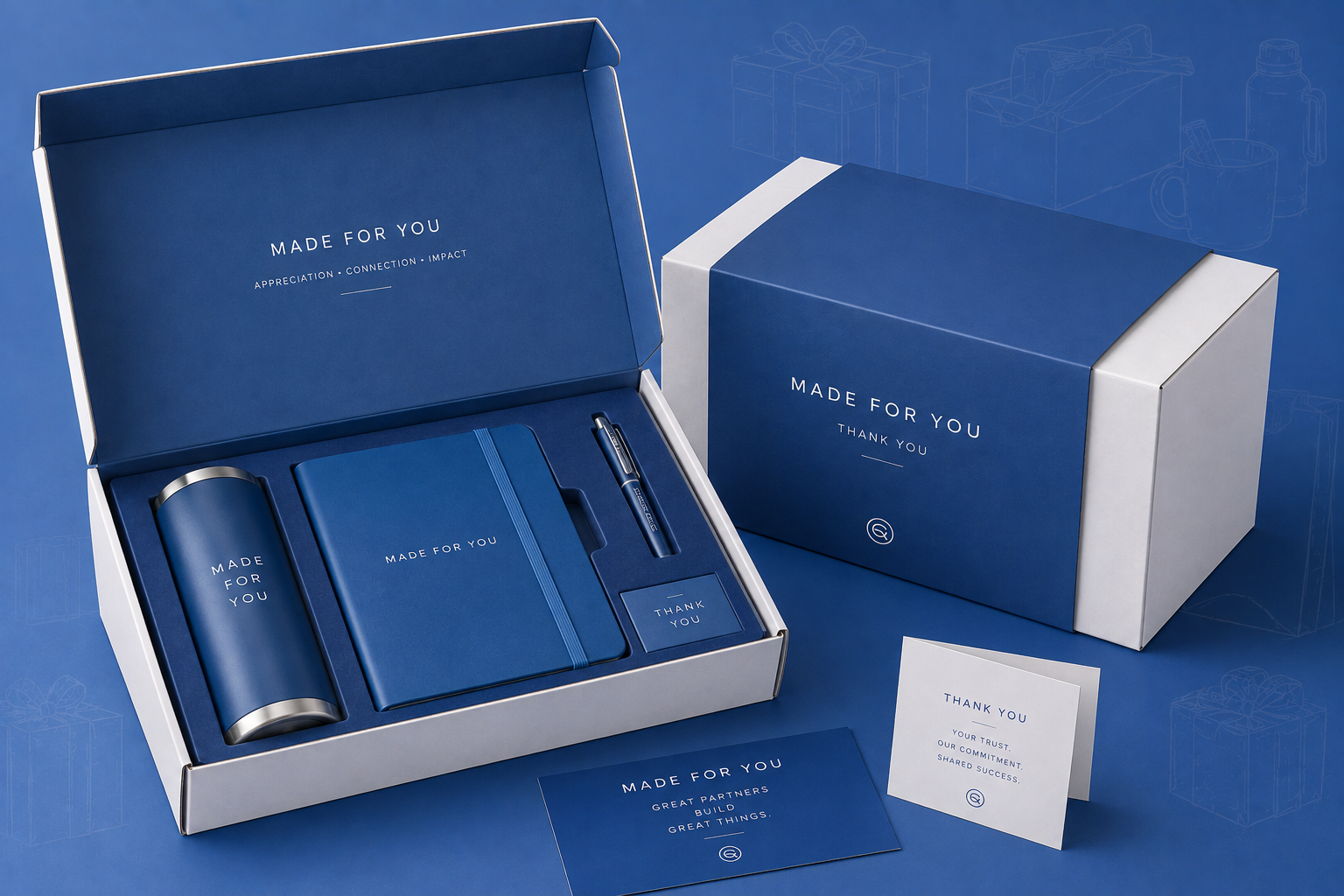
Kitting and Assembly Combines multiple products, components, inserts, or packaging elements into one finished configuration.
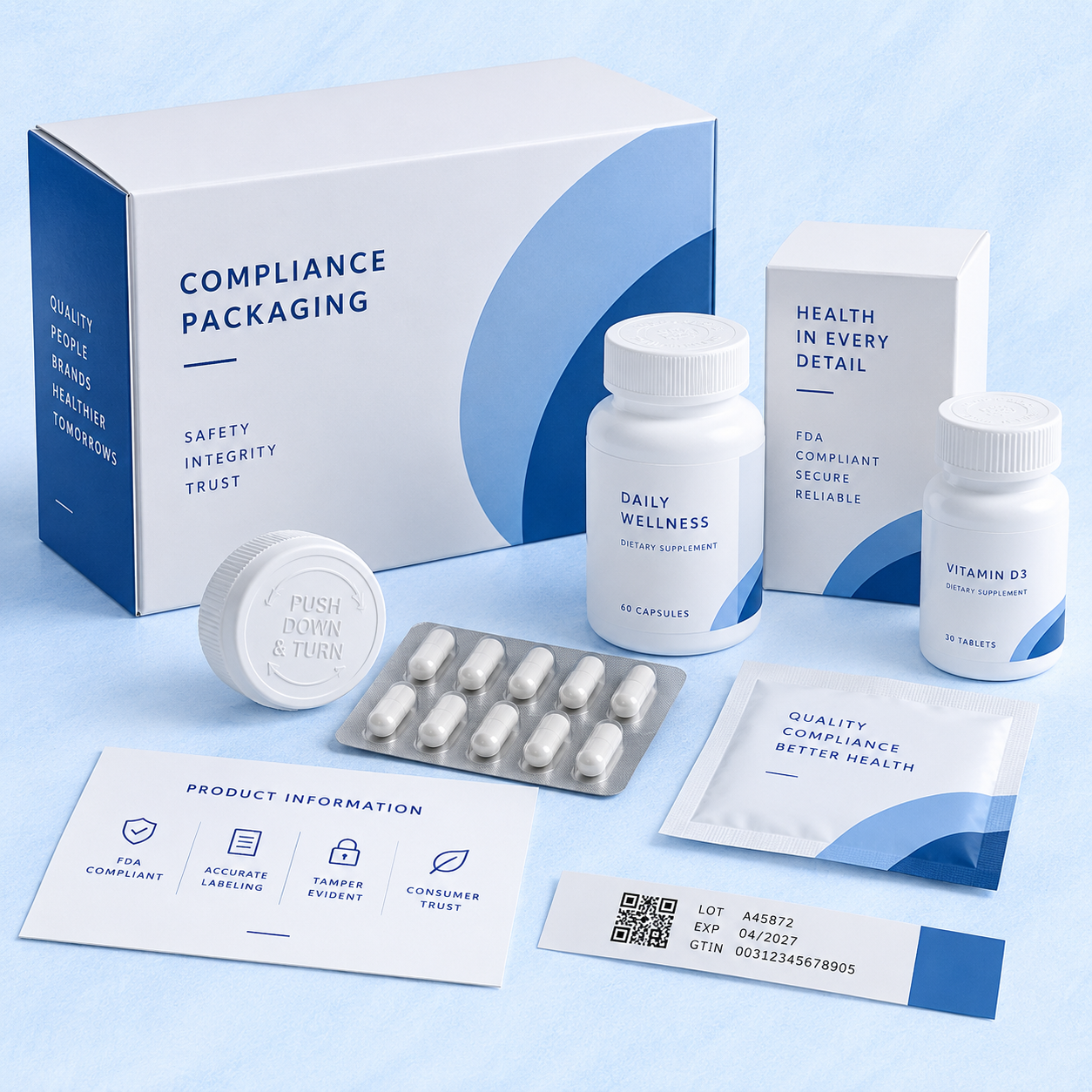
Labeling Supports accurate presentation and identification of finished products.
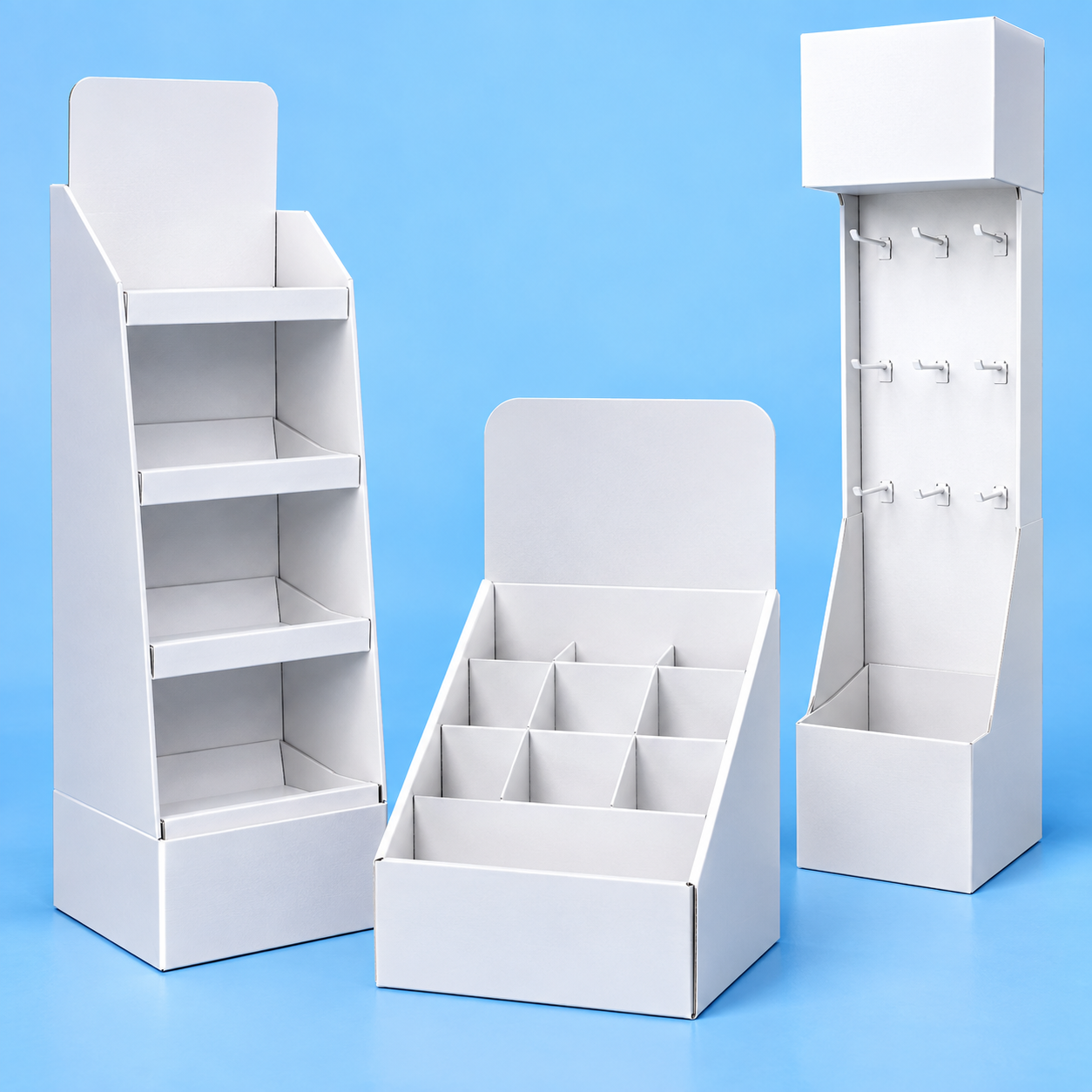
Retail Displays Prepares products for merchandising and point-of-purchase presentation.
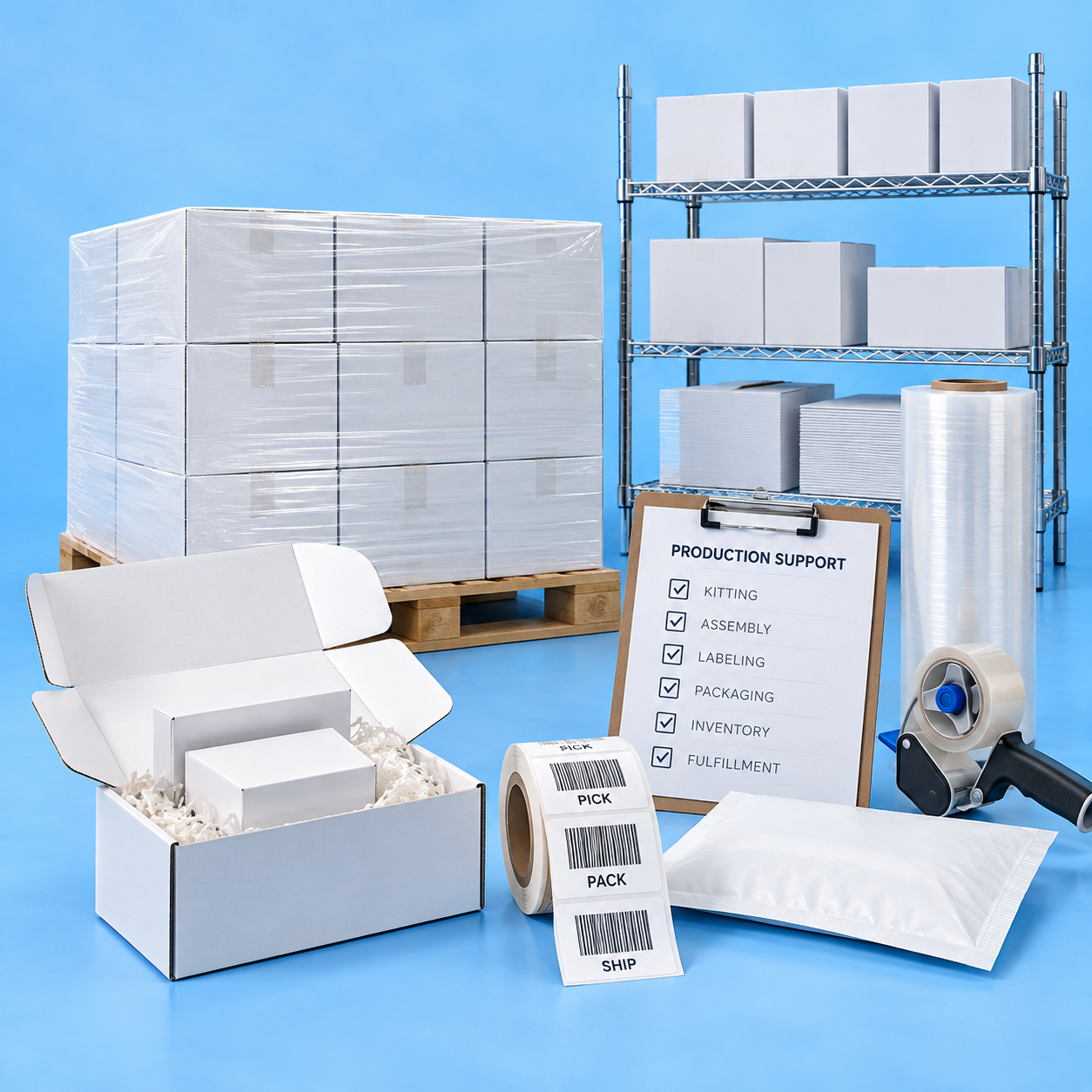
Warehousing May reduce the need to move finished goods immediately to another provider.
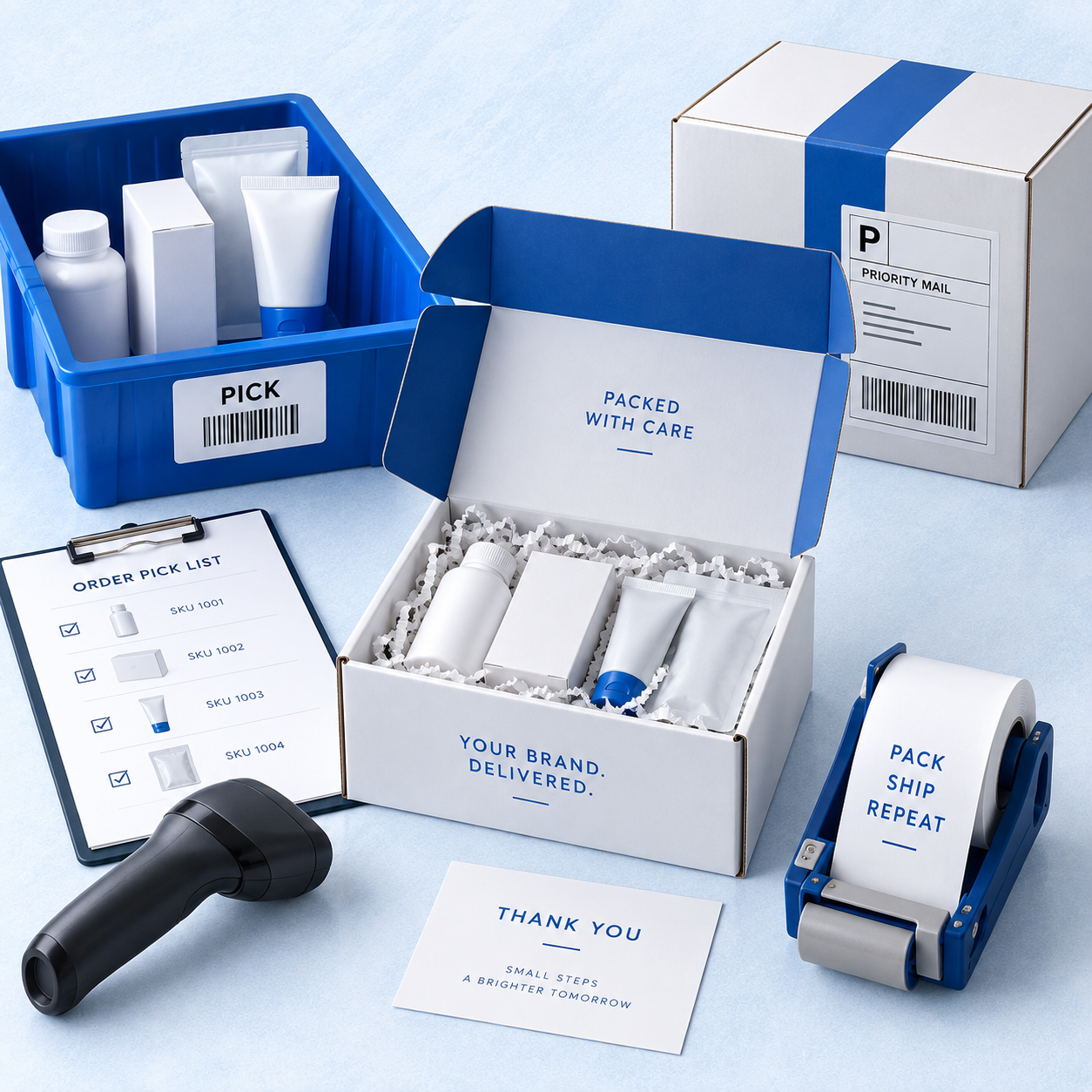
Fulfillment Allows finished products to move from packaging toward the final customer or destination.
Think Beyond Today's Packaging Need

If you expect the project to eventually require additional packaging, retail displays, warehousing, or fulfillment, evaluate those capabilities before selecting a partner.

How Should You Evaluate a Packaging Company's Quality Process?

Quality requirements should be discussed before production begins.

Ask the contract packaging company how specifications are documented and how finished goods are checked against those requirements.

Depending on the project, quality considerations may include:

  • Product counts
  • Correct component selection
  • Label placement
  • Packaging configuration
  • Artwork version control
  • Finished package appearance
  • Product identification
  • Assembly instructions
  • Retail or customer specifications

The appropriate quality process will depend on the type of product, industry, packaging format, and requirements of the individual program.

Can the Packaging Company Scale With Your Brand?

A packaging company may be able to support your initial project but struggle if demand increases.

That matters especially for new product launches, growing brands, seasonal programs, and products entering additional retailers or distribution channels.

Ask questions such as:

  • Can you support higher production volumes?
  • Can you add additional SKUs?
  • How are production schedules managed?
  • Can you support seasonal demand?
  • What happens if a launch grows faster than expected?
  • Can you add additional packaging operations later?

The goal is to avoid changing packaging partners simply because the project became successful.

Should You Choose a Packaging Company Based on Price?

Price matters, but the lowest quoted packaging price may not produce the lowest total project cost.

Consider what happens around the packaging operation.

If one provider performs only a single operation, your product may need to move to several additional vendors for assembly, display preparation, warehousing, or fulfillment.

Those additional handoffs may create more freight, project management, scheduling, inventory movement, and opportunities for delays.

Compare Total Project Value, Not Just Unit Price

Evaluate pricing together with quality, capability, capacity, logistics, communication, and the number of vendors required to complete the program.

Questions to Ask a Contract Packaging Company Before You Choose One

Before selecting a packaging company in New Jersey, ask:

  1. Have you handled products or packaging formats like ours?
  2. Which packaging operations do you perform internally?
  3. What production volumes can you support?
  4. How do you manage quality requirements?
  5. Who will manage our project?
  6. How are production changes handled?
  7. Can you support multiple SKUs?
  8. Can you support retail display packaging?
  9. Do you provide warehousing?
  10. Do you provide fulfillment?
  11. What information do you need to prepare a quote?
  12. How early should we involve you in a new packaging program?

Red Flags When Comparing Packaging Companies

Not every packaging provider will be the right fit for every project.

Potential warning signs include:

  • The provider gives pricing before understanding the project.
  • They cannot clearly explain their quality process.
  • It is unclear which operations are performed internally.
  • There is no clear project owner or communication process.
  • The company cannot explain how production changes are managed.
  • Capacity limitations are unclear.
  • The provider does not ask about the final destination of the product.

A good packaging partner should be interested in understanding the project before promising a solution.

What Information Should You Send a Contract Packaging Company?

The more clearly you define the project, the easier it is for a packaging company to determine whether it is a good fit and prepare meaningful pricing.

Try to provide:

  • Product type
  • Product dimensions
  • Current packaging
  • Desired finished packaging
  • Estimated production volume
  • Number of SKUs
  • Packaging components
  • Labeling requirements
  • Quality requirements
  • Desired completion date
  • Shipping destination
  • Warehousing requirements
  • Fulfillment requirements
  • Photos, artwork, drawings, or samples

Have a Packaging Project in New Jersey?

Tell QPSI about your product, packaging format, volume, timeline, and other project requirements.

Discuss Your Project

Why Consider QPSI for Contract Packaging in New Jersey?

Brands often come to QPSI needing more than one packaging operation.

A project may start with packaging or kitting but eventually require secondary packaging, retail displays, design support, warehousing, or fulfillment.

QPSI is built around connecting more of those services through one packaging partner.

QPSI capabilities include:

  • Contract packaging
  • Kitting and assembly
  • Primary packaging
  • Secondary packaging
  • Retail product packaging
  • Retail display packaging
  • Health and wellness packaging
  • OTC packaging
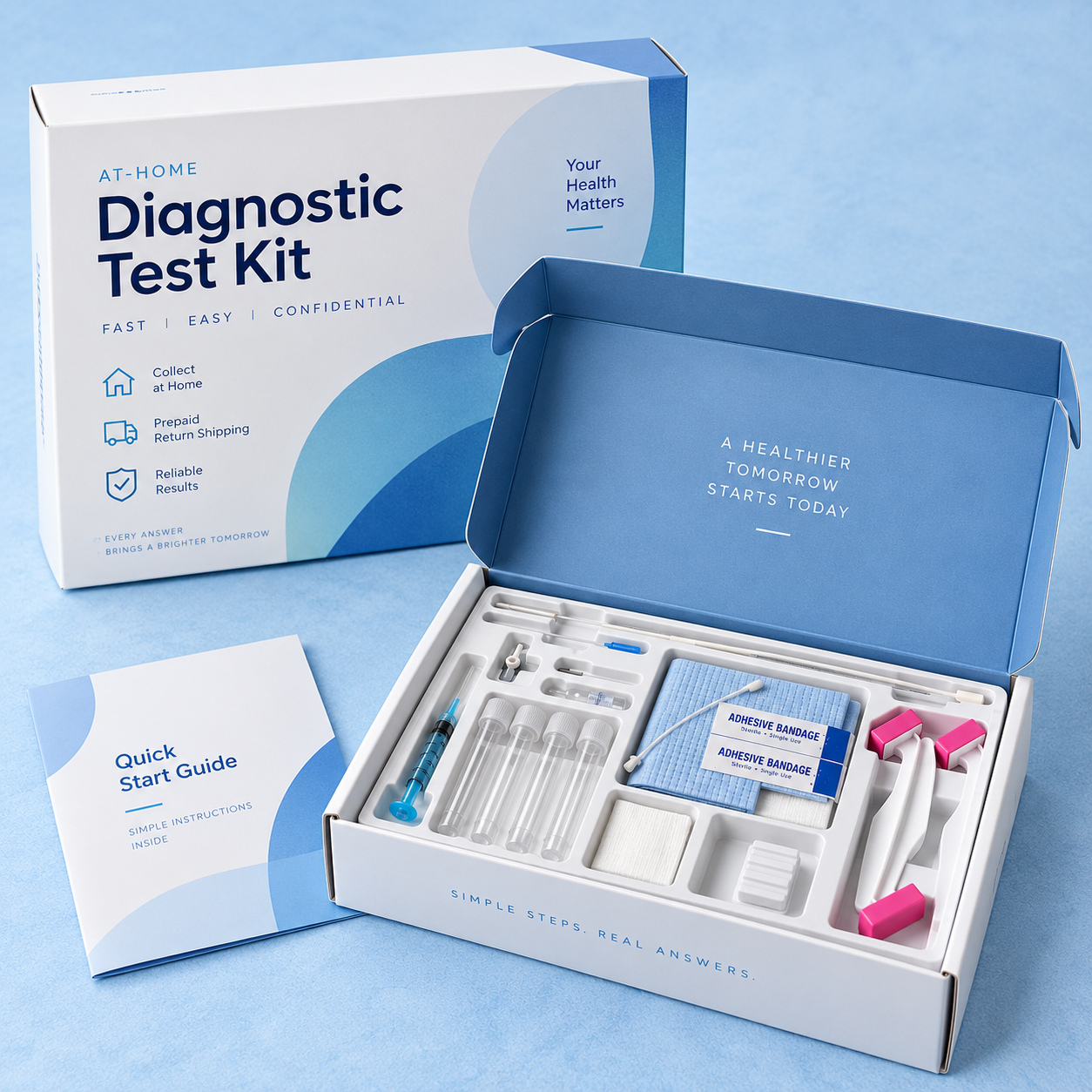
  • Diagnostic kitting
  • Design and prototyping
  • Analytical laboratory services
  • Warehousing
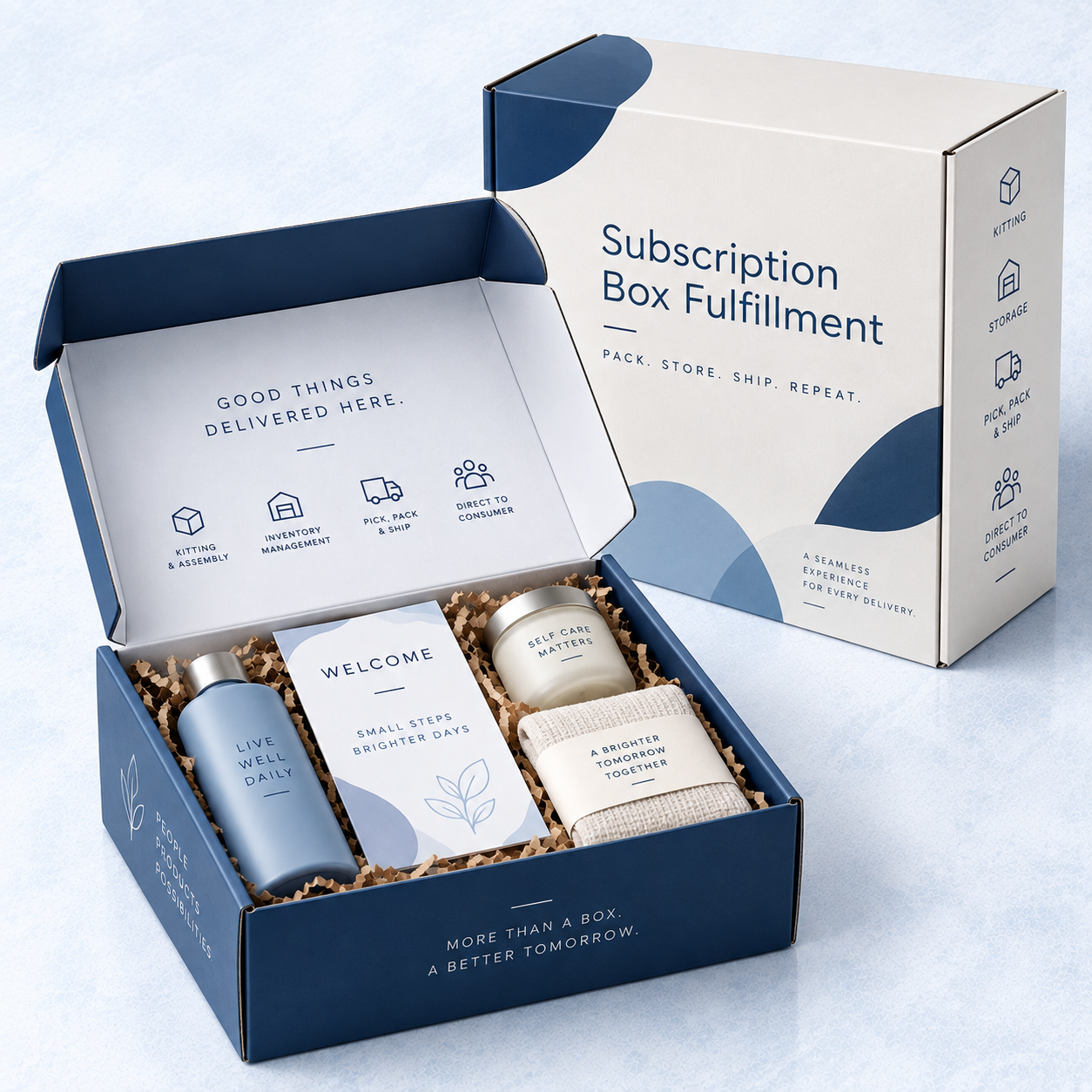
  • Direct-to-consumer fulfillment
Your Product. Your Packaging. Your Display.

QPSI helps brands connect multiple stages of packaging and product preparation through one partner.

New Jersey Contract Packaging FAQs

What should I look for in a contract packaging company in New Jersey?

Evaluate experience, packaging capabilities, production capacity, quality processes, communication, scalability, location, and whether the provider can support additional services you may need later.

How do I compare packaging companies in NJ?

Compare more than pricing. Review which services are performed internally, the provider's experience with similar projects, available production capacity, quality controls, project management, and the total number of vendors your program would require.

What services can a contract packaging company provide?

Services may include primary packaging, secondary packaging, labeling, kitting, assembly, repackaging, retail displays, quality inspection, warehousing, and fulfillment depending on the provider.

Does a contract packager need to be located near my company?

Not necessarily. Capability and project fit are more important than distance alone. However, location may affect freight, supply-chain movement, project coordination, and how products move between facilities.

How much do packaging companies in New Jersey charge?

Contract packaging pricing depends on factors such as volume, number of SKUs, packaging format, materials, labor, equipment requirements, assembly complexity, labeling, storage, fulfillment, and production timing.

Can one contract packaging company handle packaging and fulfillment?

Some can. Choosing a provider with both packaging and fulfillment capabilities may reduce the number of times finished products need to move between separate vendors.

New Jersey Contract Packaging

Looking for the Right Packaging Partner?

Tell us what you are packaging, how many units you need, and where the finished product needs to go. QPSI can help determine whether our capabilities align with your project.

Talk With QPSI

Related Packaging Resource

What Is Contract Packaging? A Complete Guide for Brands

Learn how contract packaging works, what services a contract packager provides, and why brands outsource packaging operations.

Read the Complete Guide →
Explore QPSI’s unique initiatives and services that extend beyond packaging, designed to drive innovation, support growth, and create lasting impact.

Explore QPSI’s unique initiatives and services that extend beyond packaging, designed to drive innovation, support growth, and create lasting impact.