

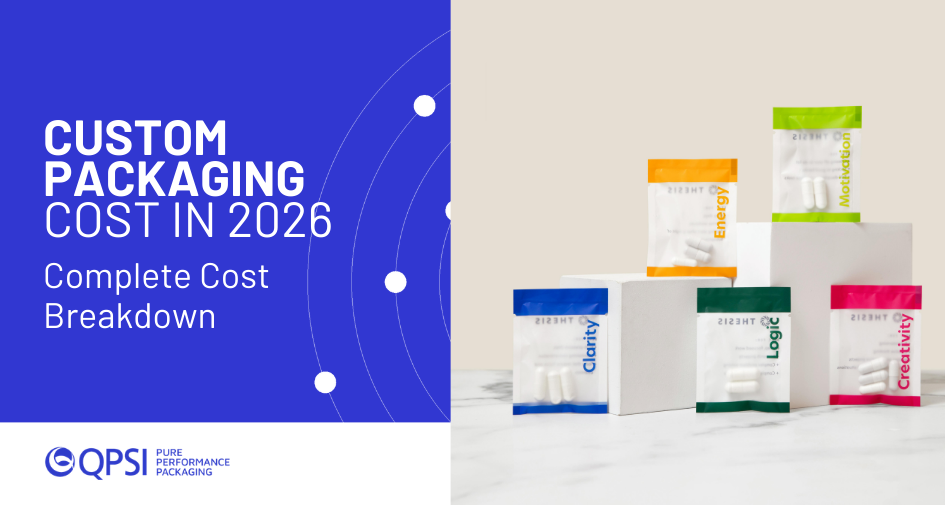
How Much Does Custom Packaging Cost in 2026?
Custom packaging is one of the most important operational investments for consumer brands. Packaging impacts retail readiness, brand perception, shipping efficiency, and regulatory compliance.
For founders launching a new product or scaling an existing brand, one of the most common questions is:
How much does custom packaging actually cost?
The answer depends on several factors including material type, order volume, printing complexity, and packaging structure. Understanding these cost drivers helps brands plan production budgets and maintain healthy product margins.
This guide breaks down the real costs behind custom packaging and what brands should expect when preparing for production.
Average Custom Packaging Cost Per Unit
Most custom packaging falls within the following general cost ranges.
| Packaging Type | Estimated Cost Per Unit |
|---|---|
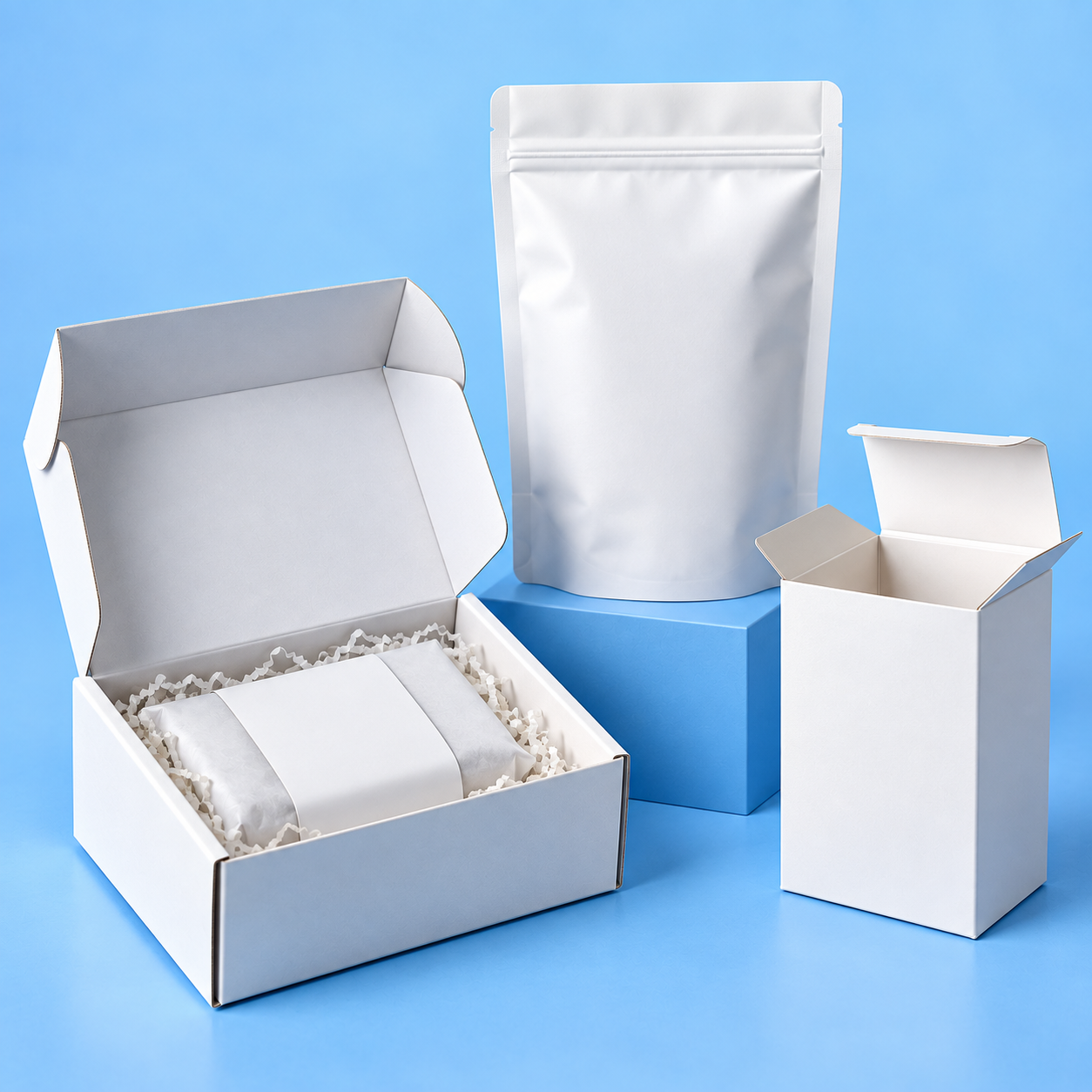
| Flexible Packaging (pouches or bags) | $0.15 – $0.90 |
| Folding Cartons | $0.40 – $2.00 |
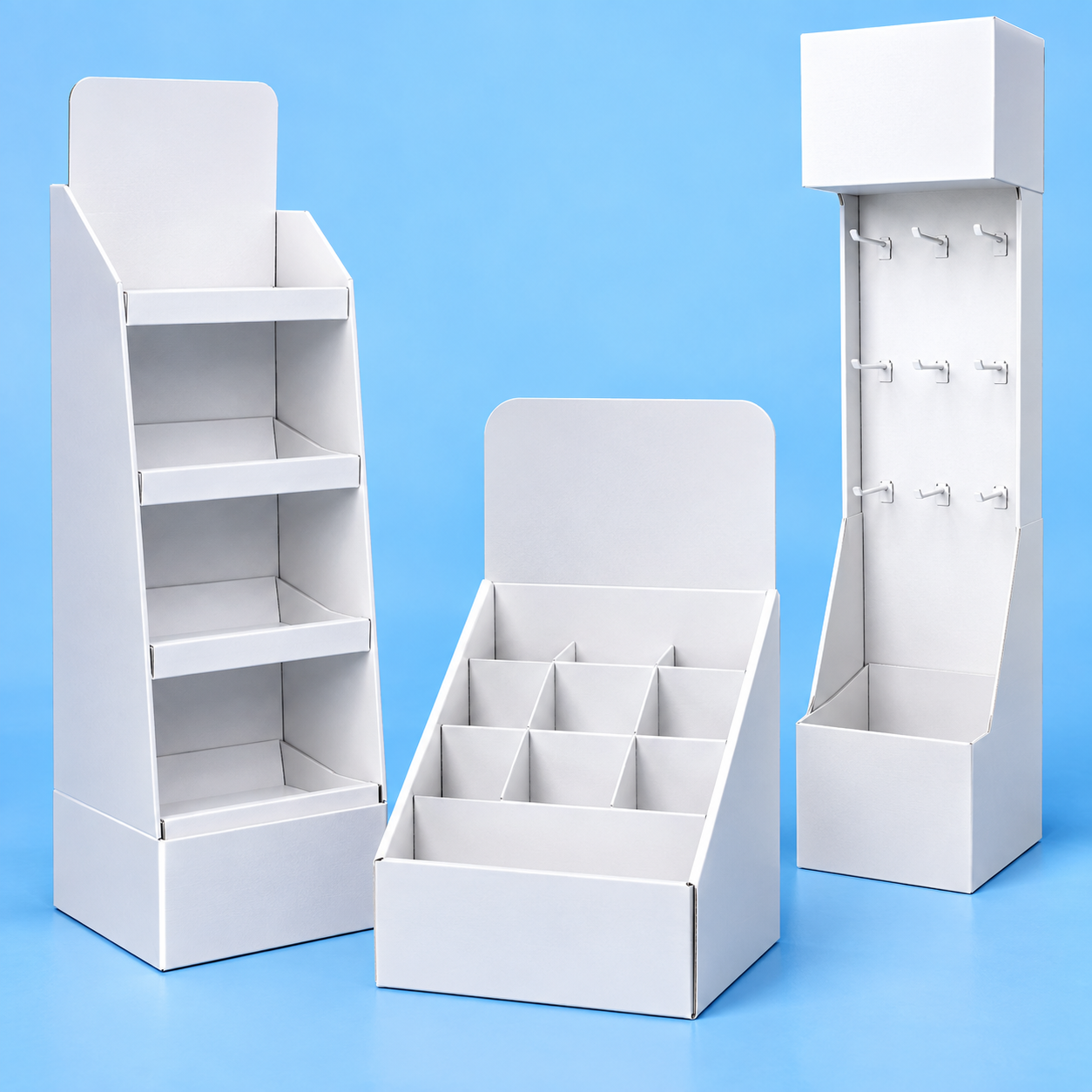
| Corrugated Retail Boxes | $0.80 – $3.50 |
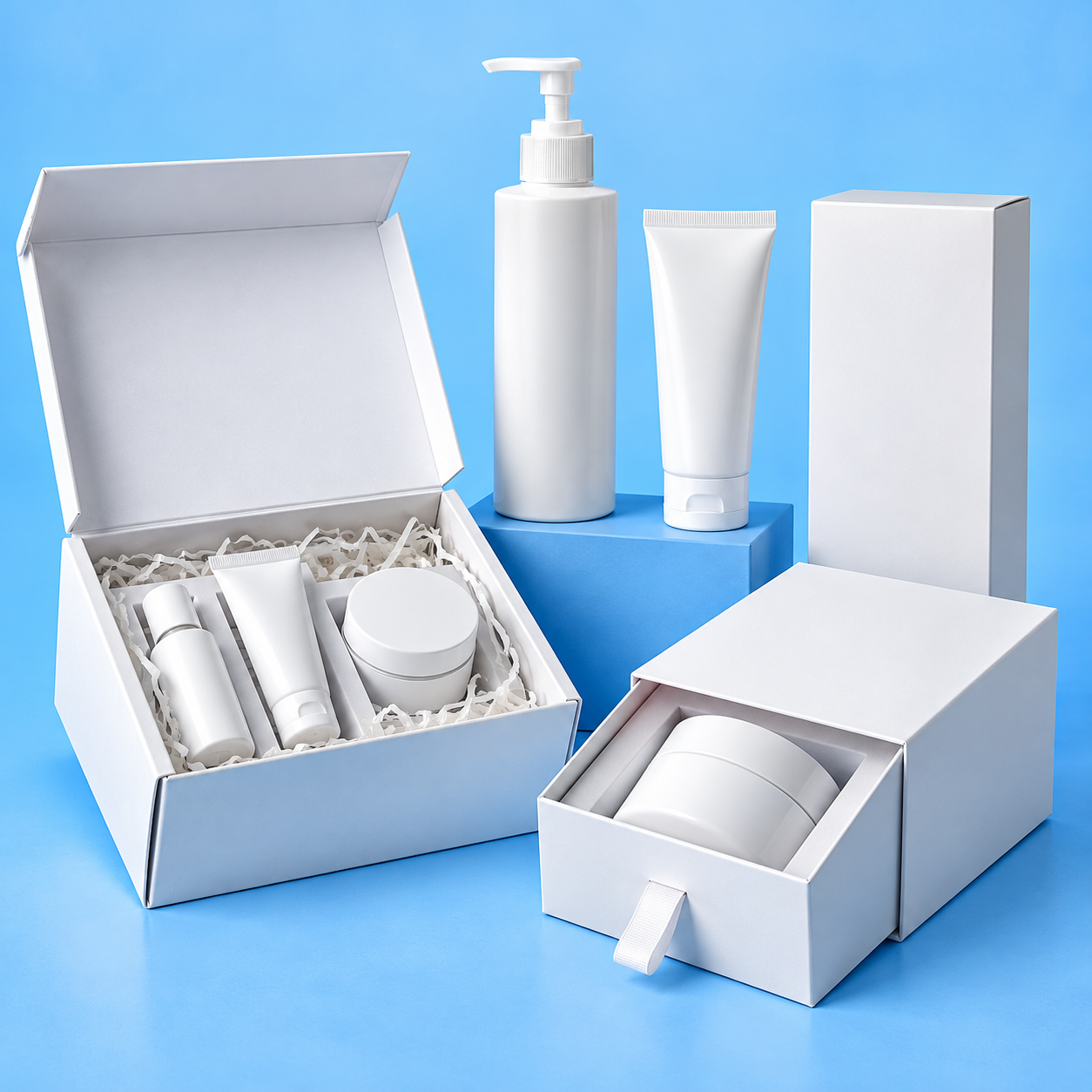
| Rigid Premium Packaging | $2.50 – $10.00+ |
These ranges vary depending on order quantity, materials, and printing methods.
Higher production volumes significantly reduce per-unit costs due to manufacturing efficiencies and printing setup costs.
For example:
- 5,000 units may cost approximately $1.20 per unit
- 50,000 units may cost approximately $0.45 per unit
This price difference occurs because printing plates, machine setup, and production runs become more efficient at larger volumes.
Key Factors That Influence Custom Packaging Costs
Several variables impact the final cost of custom packaging.
Order Volume and Minimum Order Quantities
Minimum order quantities (MOQs) significantly affect packaging pricing.
Typical MOQ ranges include:
- Flexible packaging: 5,000 to 25,000 units
- Folding cartons: 10,000 to 50,000 units
- Corrugated packaging: 1,000 to 10,000 units
Larger order quantities reduce the cost per unit because manufacturing setup costs are distributed across more products.
Packaging Materials
Material selection directly affects cost and performance.
Common packaging materials include:
- PET
- BOPP
- Kraft paper
- Corrugated cardboard
- Laminated barrier films
Flexible packaging used for food products often includes moisture and oxygen barrier layers to extend shelf life. These specialized materials typically cost more but are necessary for many consumer packaged goods.
Printing Method
Printing technology also influences packaging cost and scalability.
The most common printing methods include:
Flexographic Printing
Flexographic printing is widely used for large production runs and offers lower per-unit costs at higher volumes.
Digital Printing
Digital printing is ideal for smaller runs, faster turnaround times, and prototype packaging.
Offset Printing
Offset printing is commonly used for folding cartons and provides high-quality detail for complex designs.
Each printing method includes different setup requirements and plate costs.
Packaging Size and Structural Design
Packaging size and structure can increase material usage and manufacturing complexity.
Design elements that often increase costs include:
- Die-cut windows
- Embossing or debossing
- Foil stamping
- Specialty coatings such as matte or soft-touch finishes
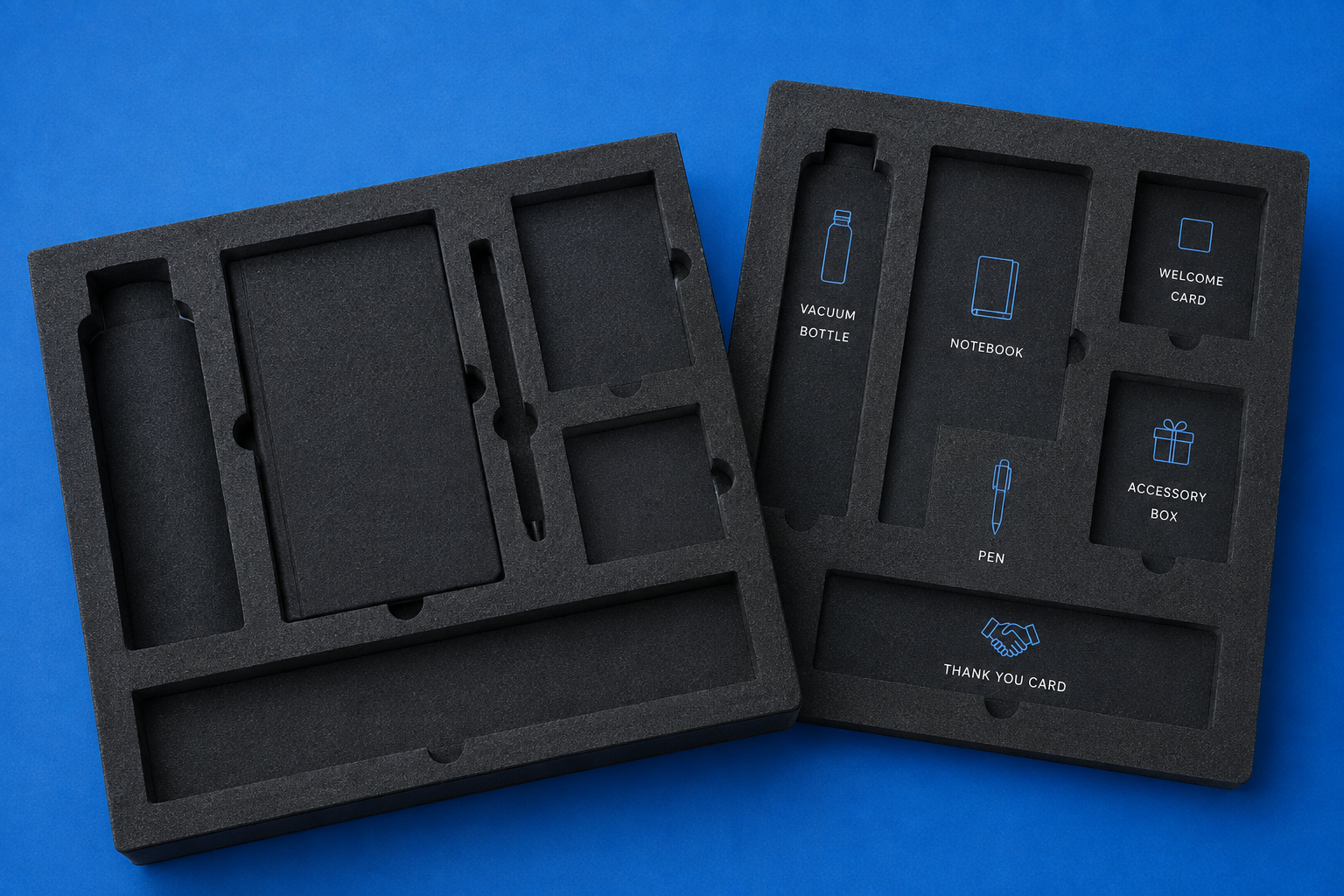
- Custom structural inserts
These premium features are often used in cosmetics, health products, and luxury retail packaging.
Custom Packaging Design and Setup Costs
Before full-scale production begins, most packaging projects include upfront setup and design costs.
Typical one-time setup expenses include:
- Packaging design: $500 to $5,000
- Printing plates: $200 to $2,000
- Structural die lines: $300 to $1,500
- Prototyping and samples: $100 to $800
These investments allow brands to test packaging performance and ensure production quality before committing to large manufacturing runs.
Typical Custom Packaging Production Timeline
Custom packaging production generally takes between 4 and 12 weeks, depending on the complexity of the project and supply chain conditions.
Typical production timeline:
Week 1–2
Packaging design and structural engineering
Week 2–4
Prototype development and sampling
Week 4–8
Manufacturing and printing
Week 8–12
Shipping, logistics, and fulfillment
Working with an experienced packaging partner can help streamline this process and reduce delays.
Strategies Brands Use to Reduce Packaging Costs
Brands often lower packaging costs through strategic production planning.
Common cost optimization strategies include:
-
Increasing order volume
-
Simplifying packaging structures
-
Using standard material formats
-
Consolidating packaging SKUs
-
Optimizing package dimensions for shipping efficiency
Packaging decisions should balance cost efficiency with product protection, regulatory compliance, and retail presentation.
Choosing the Right Packaging Partner
The right packaging partner does more than manufacture packaging. A strategic partner helps brands optimize sourcing, production, and supply chain efficiency.
An experienced packaging provider can help brands:
-
Identify cost-efficient materials
-
Optimize order quantities and production runs
-
Manage global manufacturing partners
-
Ensure regulatory and compliance standards
-
Reduce lead times and logistics costs
For growing consumer brands, this operational expertise can significantly reduce both risk and total production cost.
Custom packaging costs vary depending on materials, printing methods, order quantities, and packaging structure. Most brands can expect to spend between $0.25 and $2.50 per unit for standard retail packaging.
Understanding these cost factors early allows brands to plan product margins, production timelines, and supply chain strategies effectively.
Strategic packaging decisions help ensure products are retail-ready while maintaining operational efficiency as brands scale.