

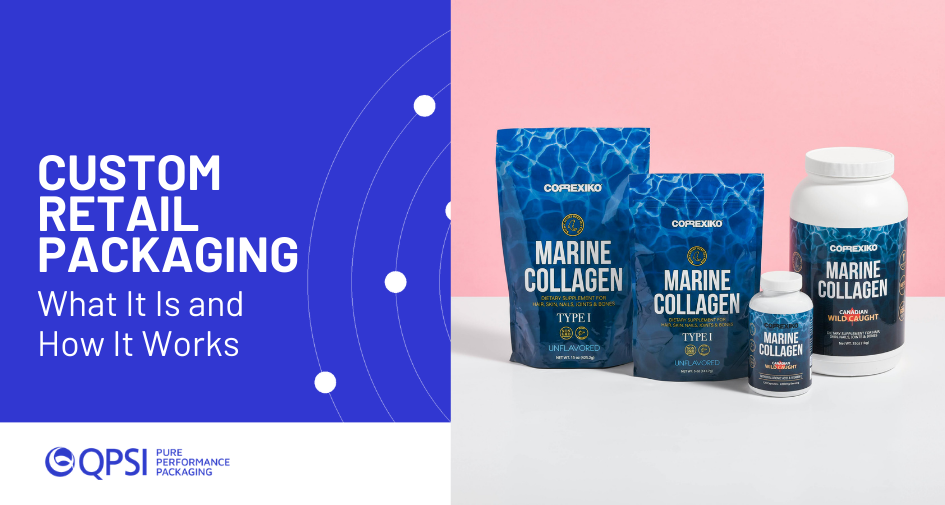
Custom Retail Packaging: What It Is and How It Works
Custom retail packaging plays a major role in how products are presented to consumers in stores and online marketplaces. Beyond protecting the product, packaging influences purchasing decisions, brand perception, and overall customer experience.
For growing consumer brands, custom retail packaging helps create a distinctive identity while ensuring products meet retail and logistics requirements.
Understanding how custom retail packaging works allows brands to develop packaging solutions that balance branding, functionality, and production efficiency.
What Is Custom Retail Packaging?
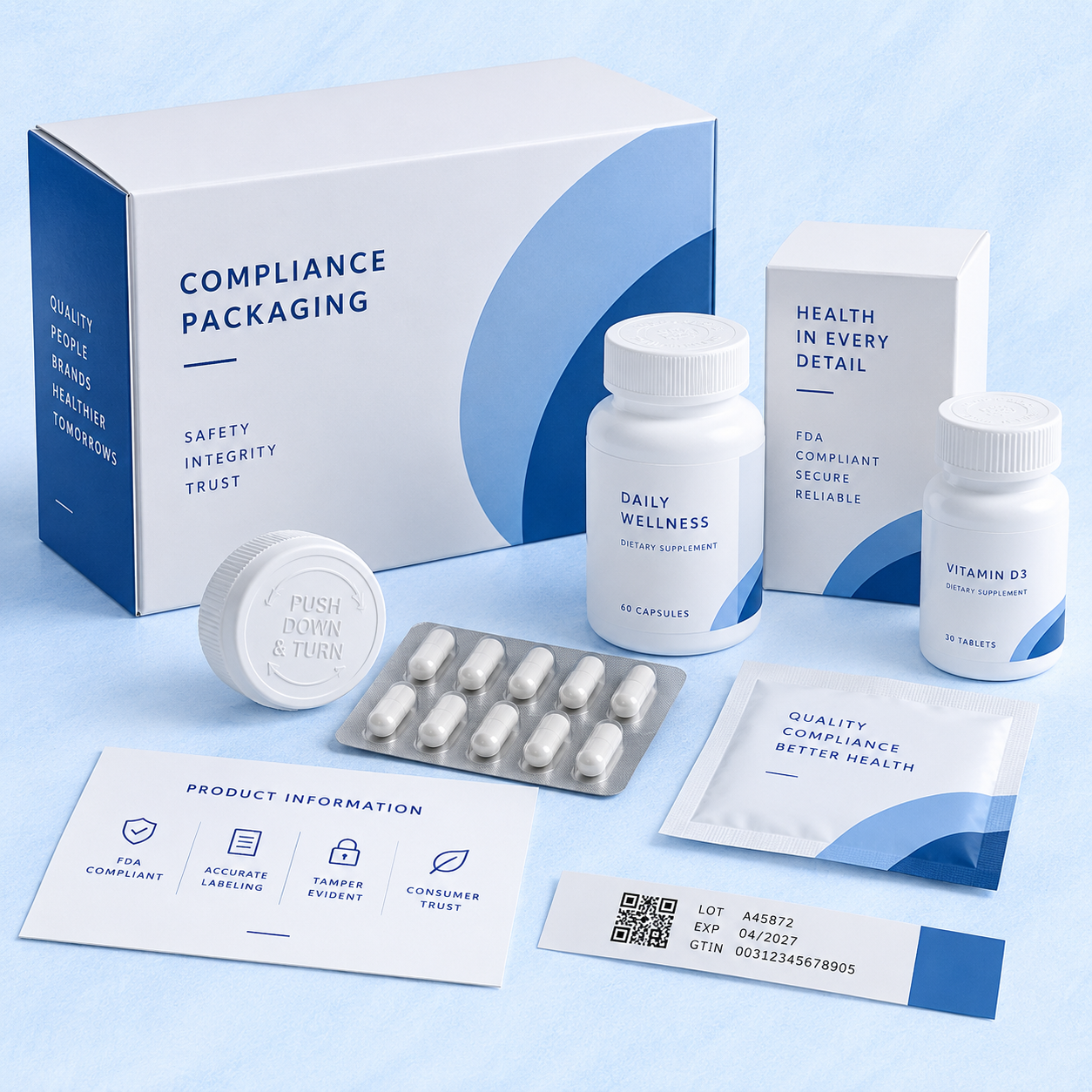
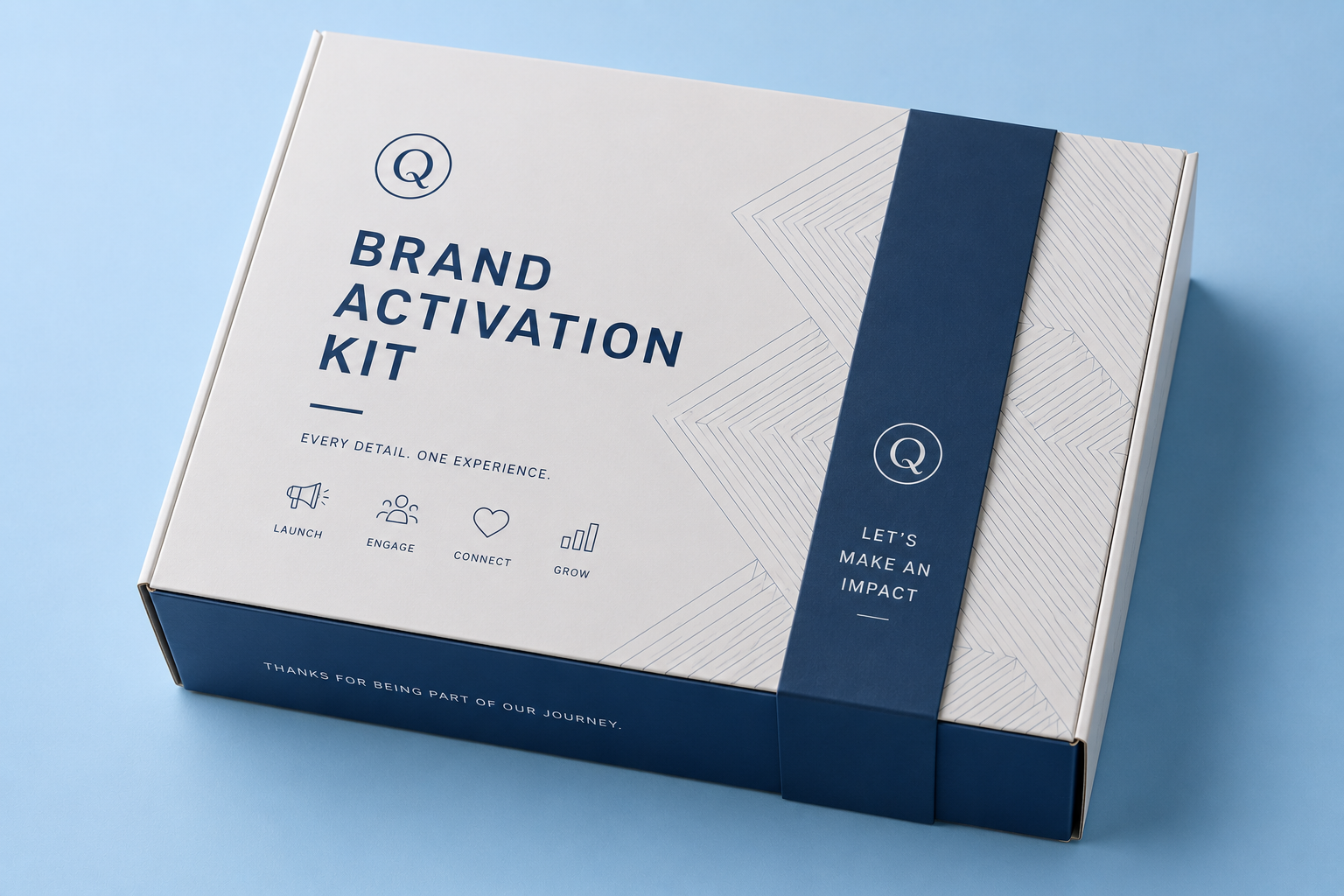
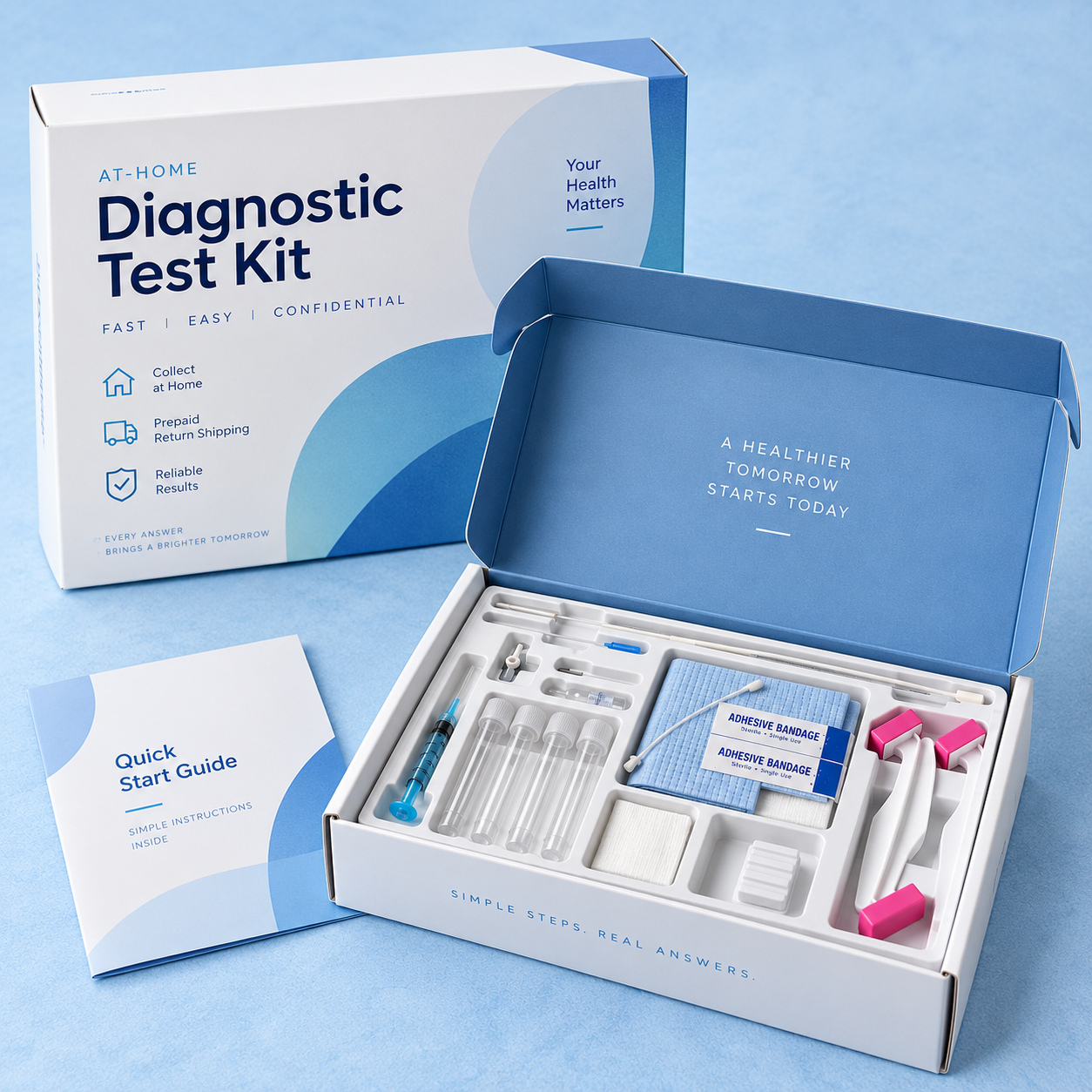
Custom retail packaging refers to packaging that is specifically designed and manufactured for a particular product or brand.
Unlike generic packaging, custom retail packaging is developed with unique structural designs, printed graphics, and materials tailored to the product.
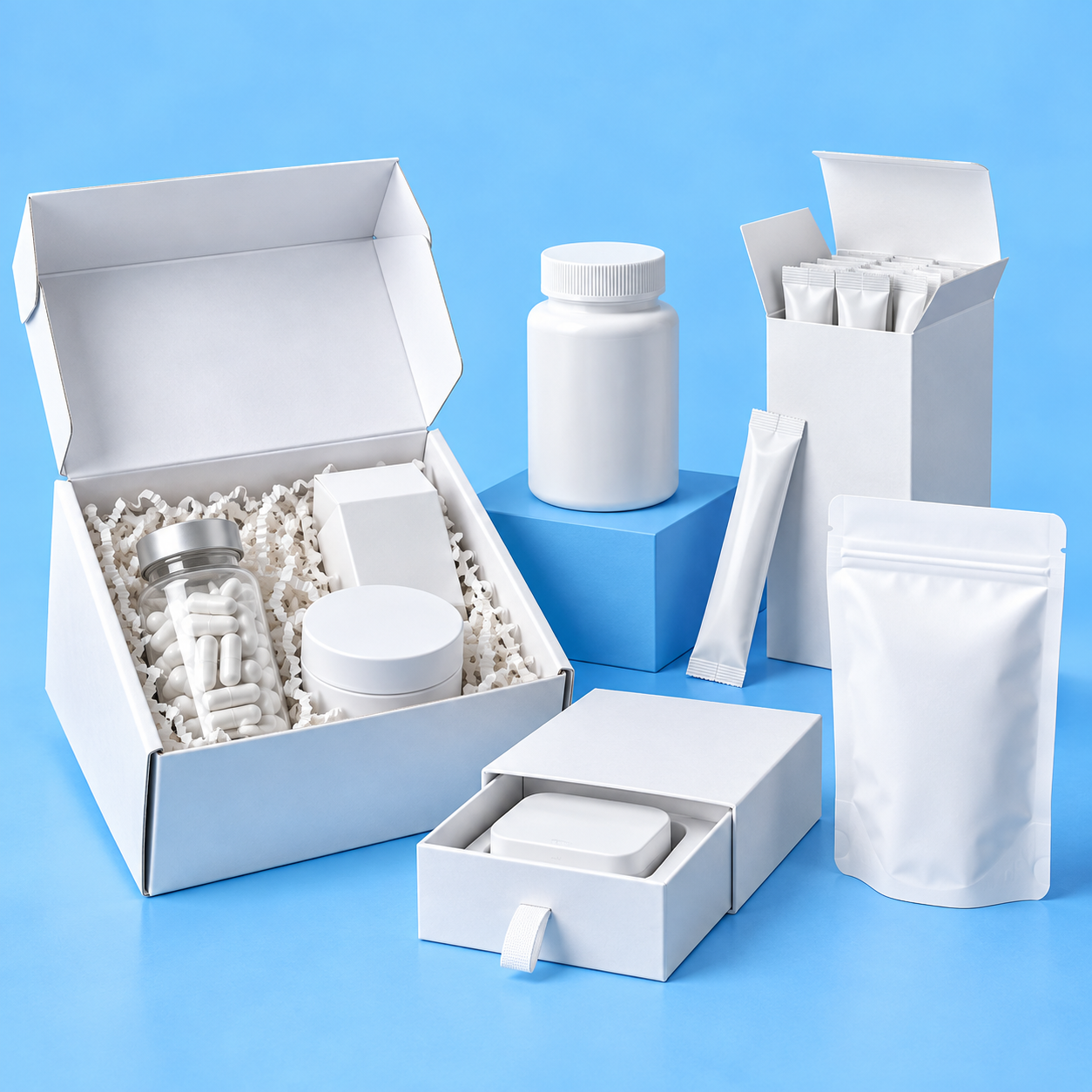
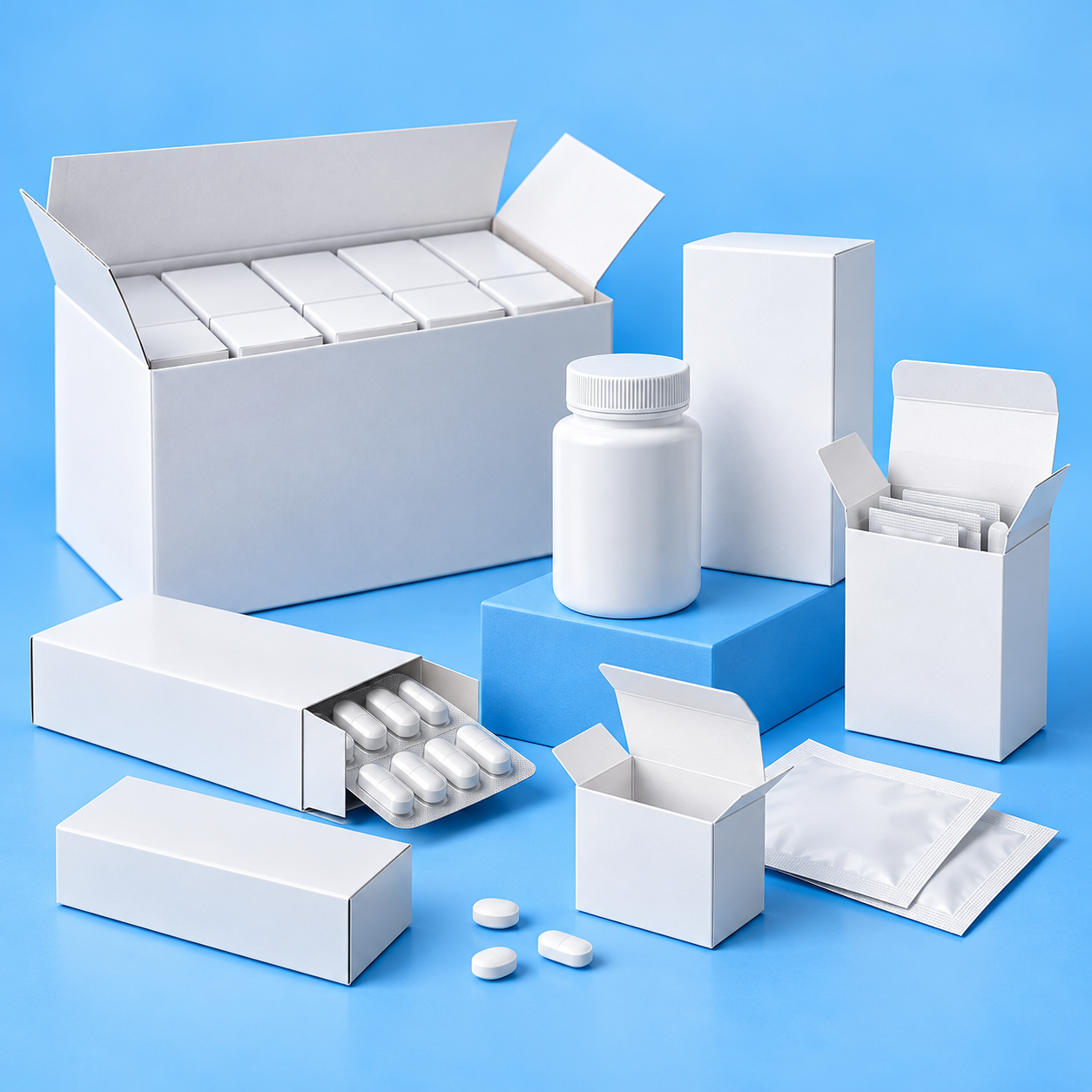
Custom packaging typically includes:
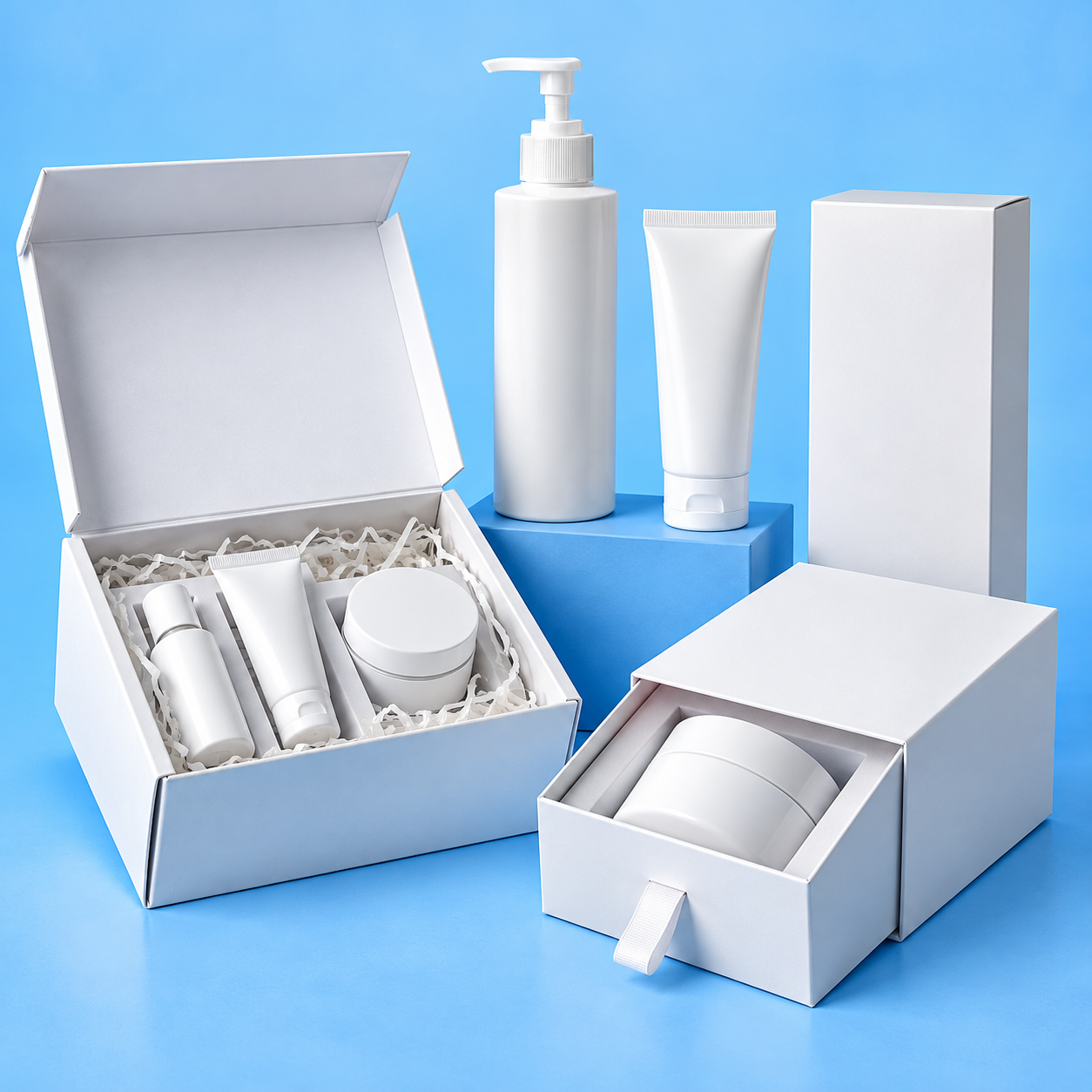
- Product boxes
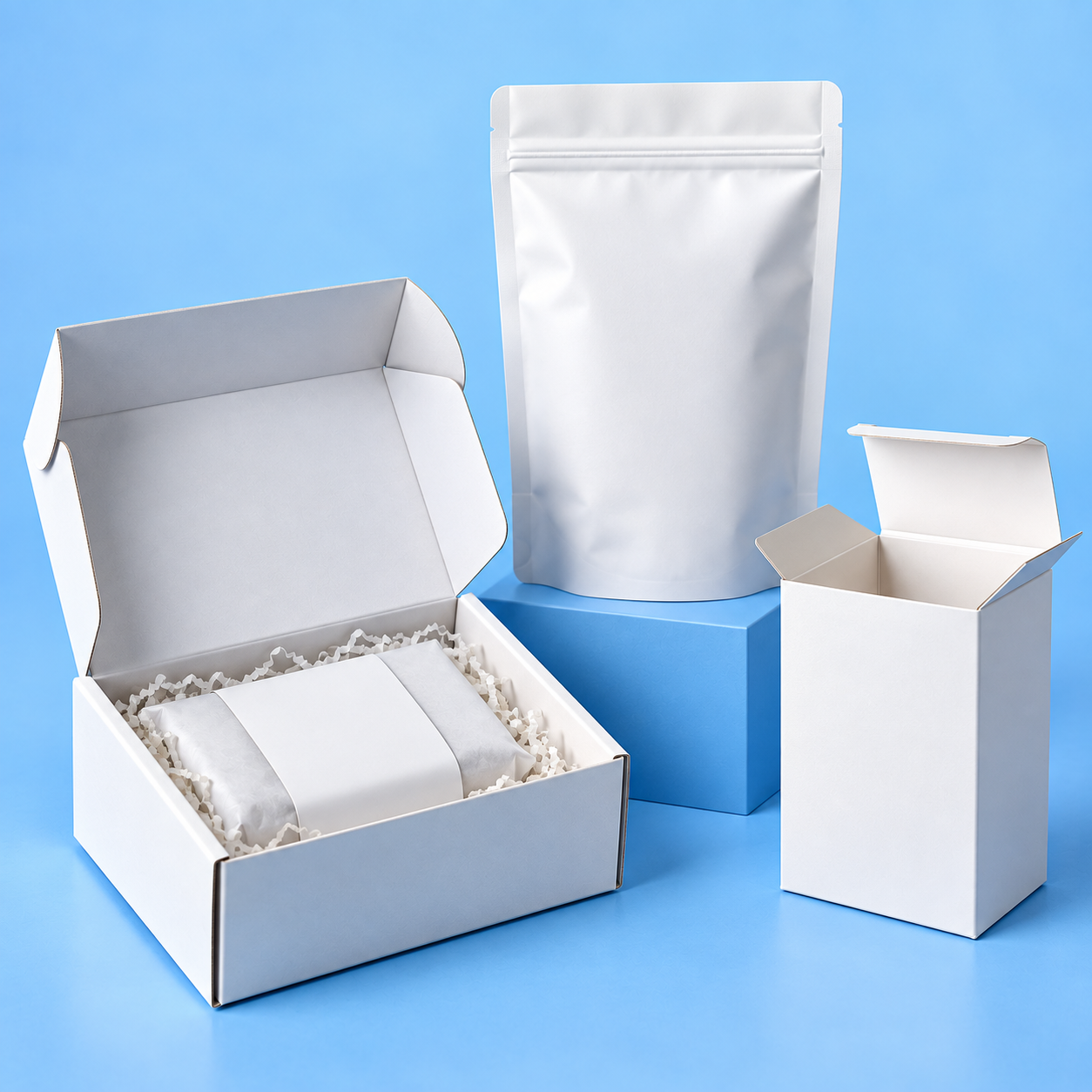
- Folding cartons
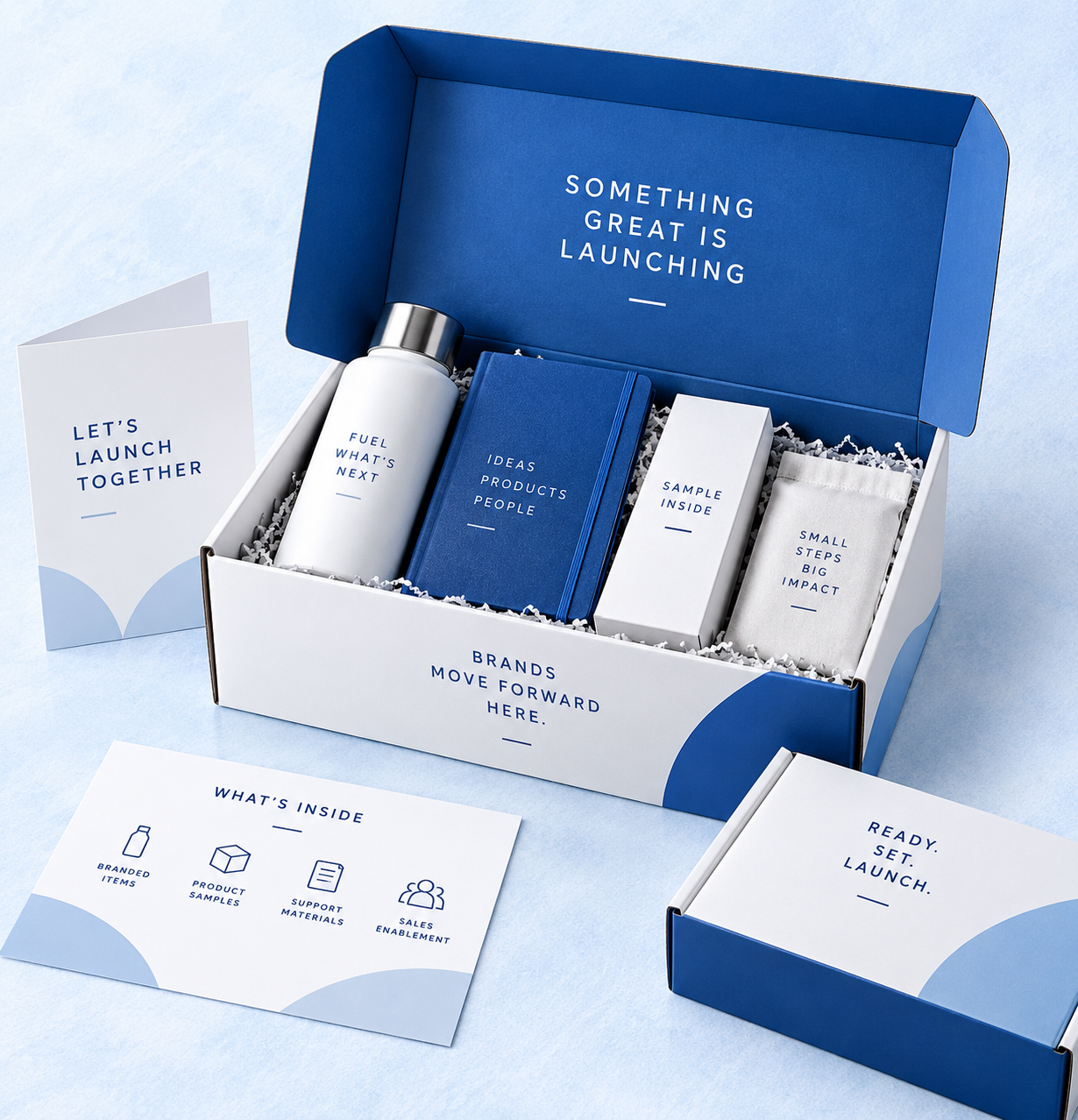
- Printed corrugated boxes
- Flexible packaging formats
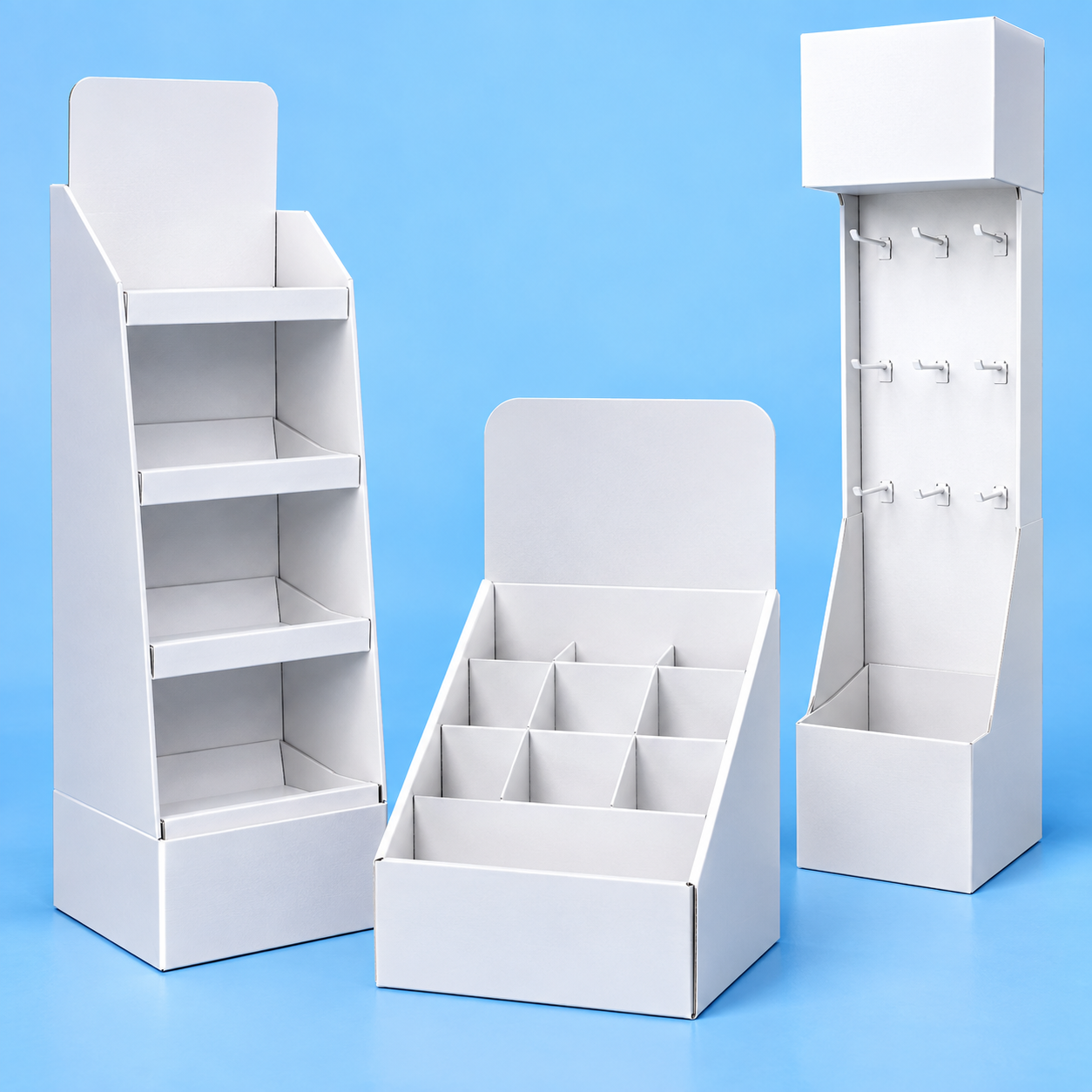
- Retail display packaging
These packaging solutions are designed to meet both brand and retail requirements.
Why Brands Use Custom Retail Packaging
Custom retail packaging offers several advantages compared to standard packaging formats.
Stronger Brand Identity
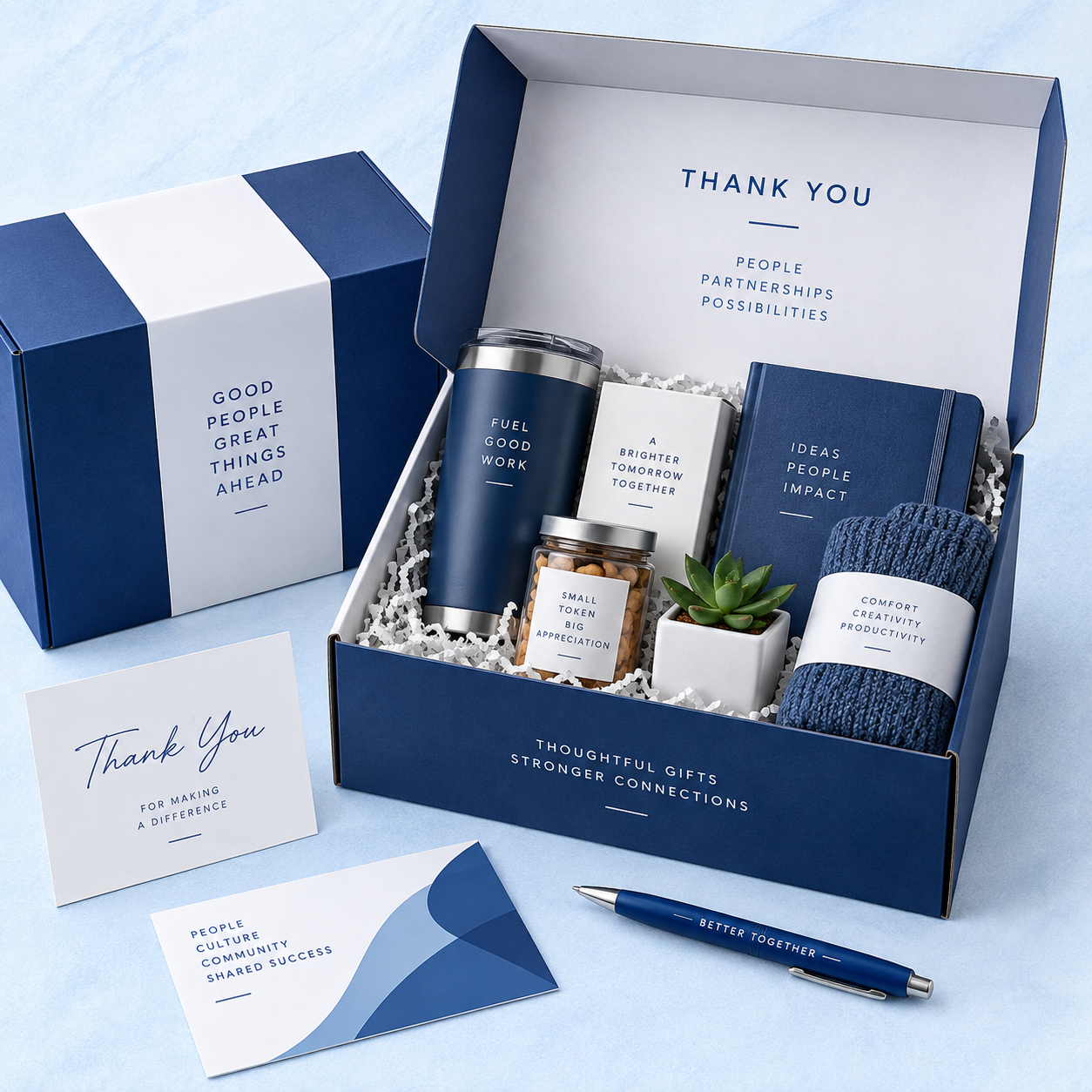
Custom retail packaging allows brands to create packaging that reflects their visual identity.
Design elements often include:
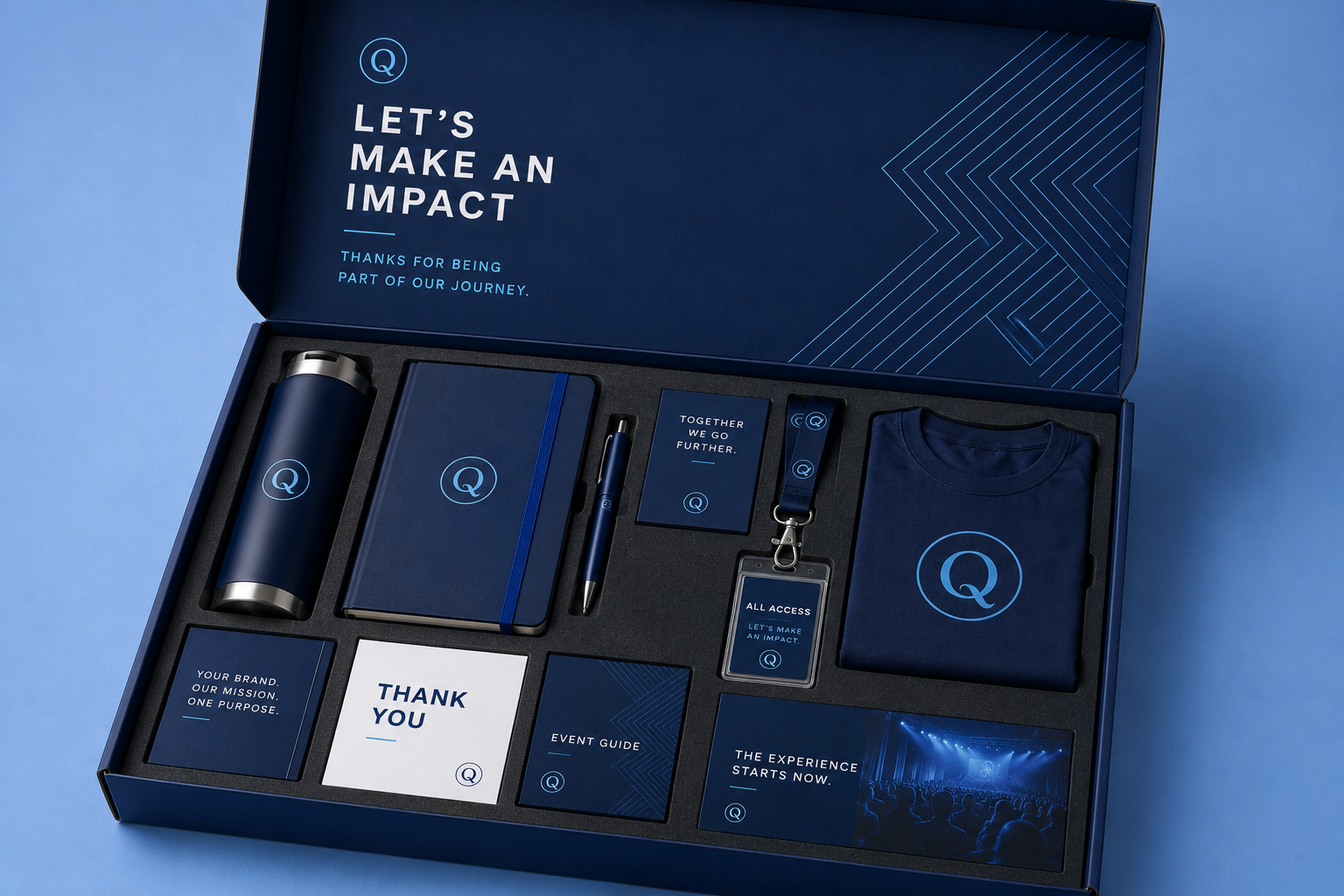
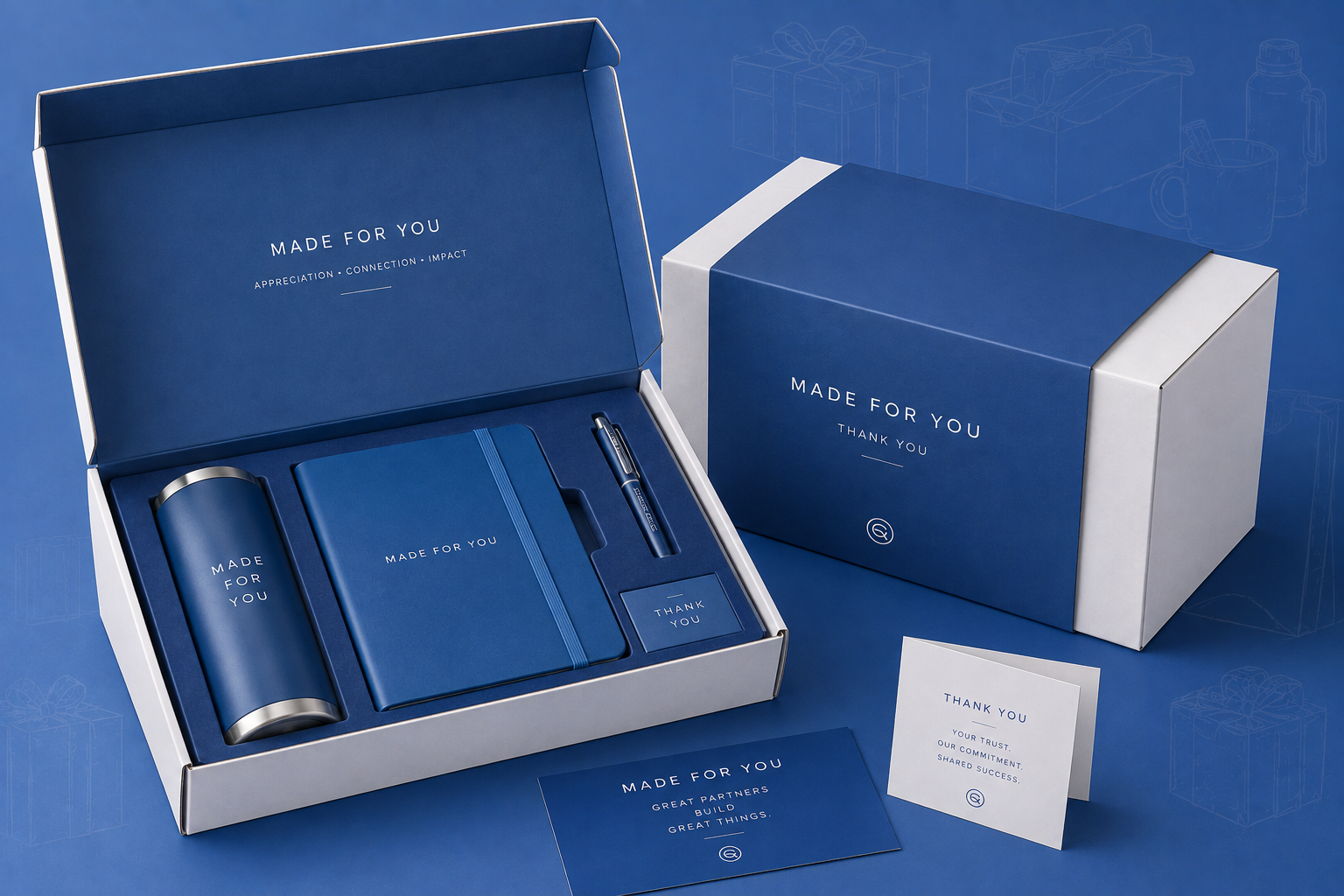
- Brand colors
- Custom typography
- Product imagery
- Branded messaging
These elements help products stand out in retail environments and reinforce brand recognition.
Improved Retail Presentation
Retail packaging must perform well on store shelves.
Custom packaging structures can be designed to:
- Stand upright on shelves
- Display product information clearly
- Create strong visual impact
Retail ready packaging helps products compete effectively in crowded retail environments.
Product Protection
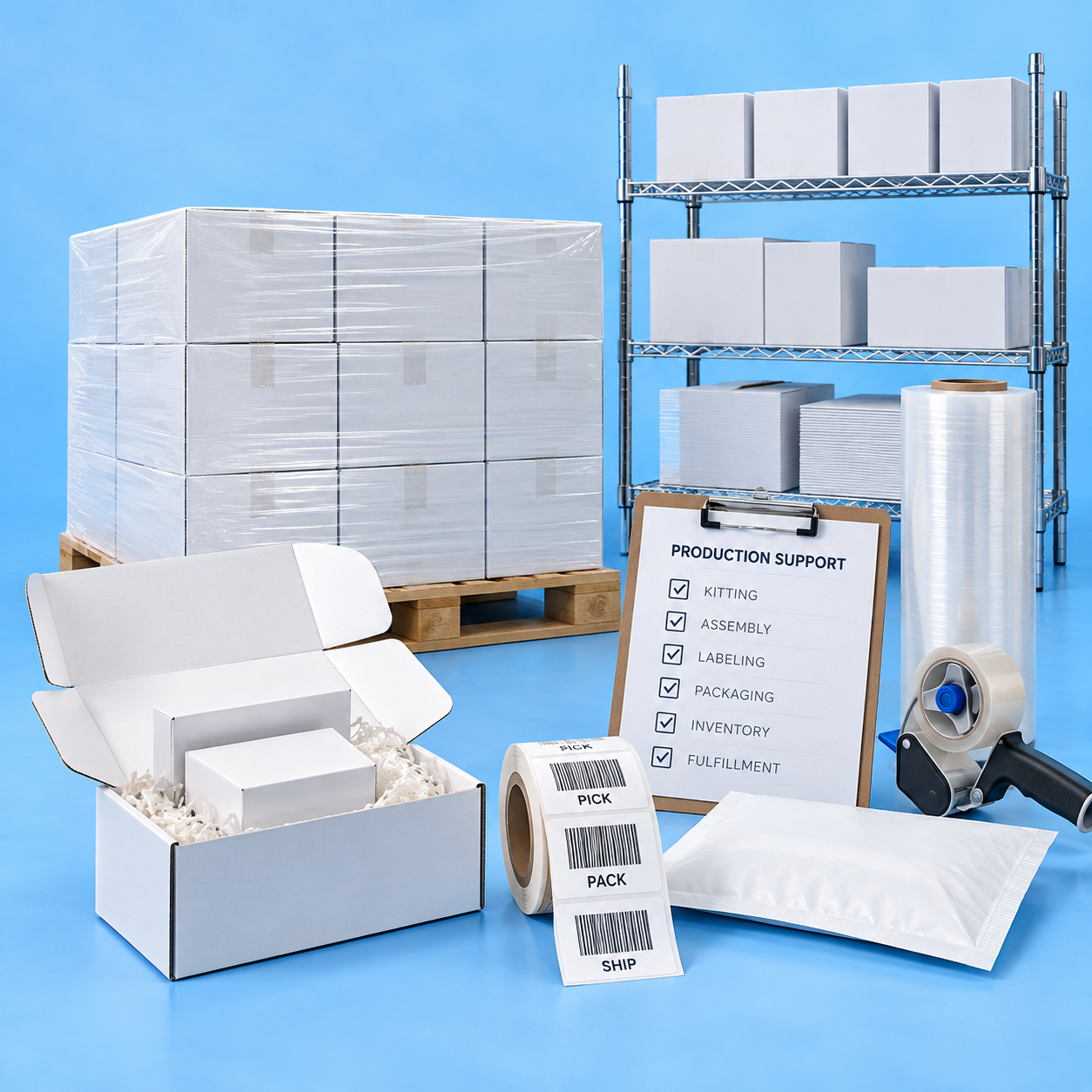
Packaging must protect products during shipping, storage, and retail handling.
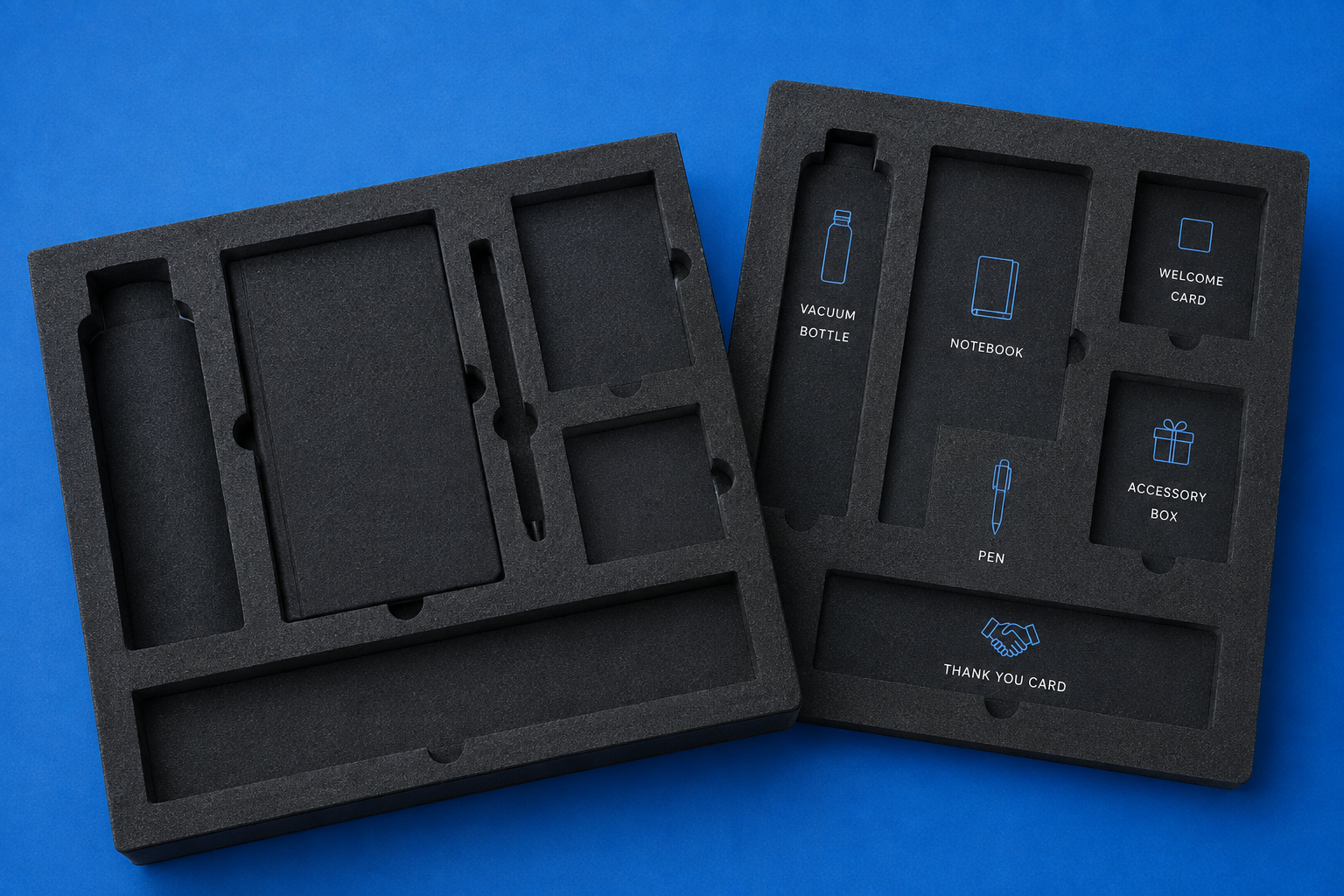
Custom retail packaging structures are engineered to ensure products remain secure throughout the supply chain.
This may include reinforced packaging structures or internal packaging components.
Common Types of Custom Retail Packaging
Brands use a variety of packaging formats depending on product type and retail environment.
Folding Cartons
Folding cartons are one of the most widely used formats for custom retail packaging.
These cartons are printed, die cut, and folded into shape to create retail ready product boxes.
Folding cartons offer excellent print quality and provide a large surface area for branding and product information.
Corrugated Retail Packaging
Corrugated packaging offers increased strength and durability.
This packaging format is commonly used for:
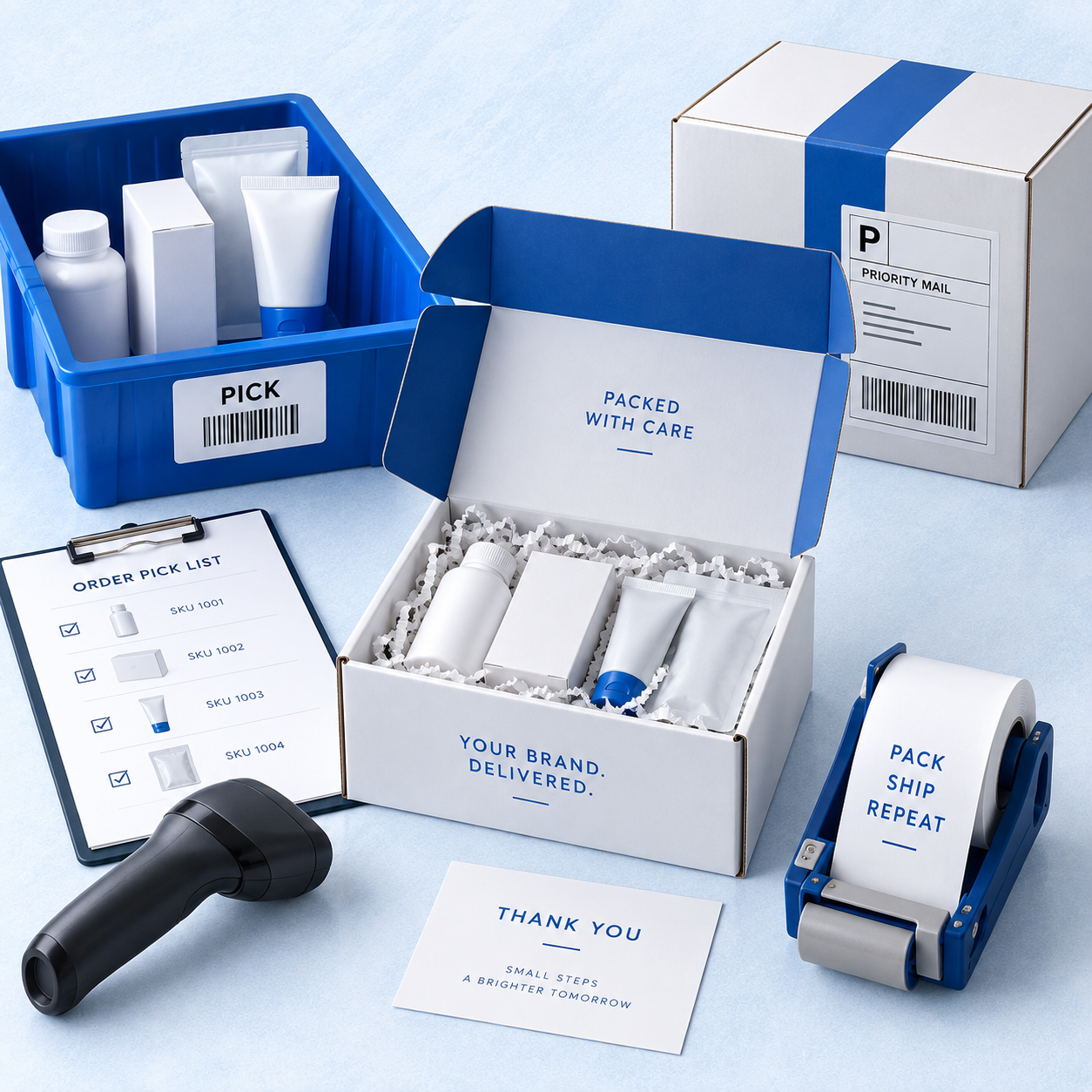
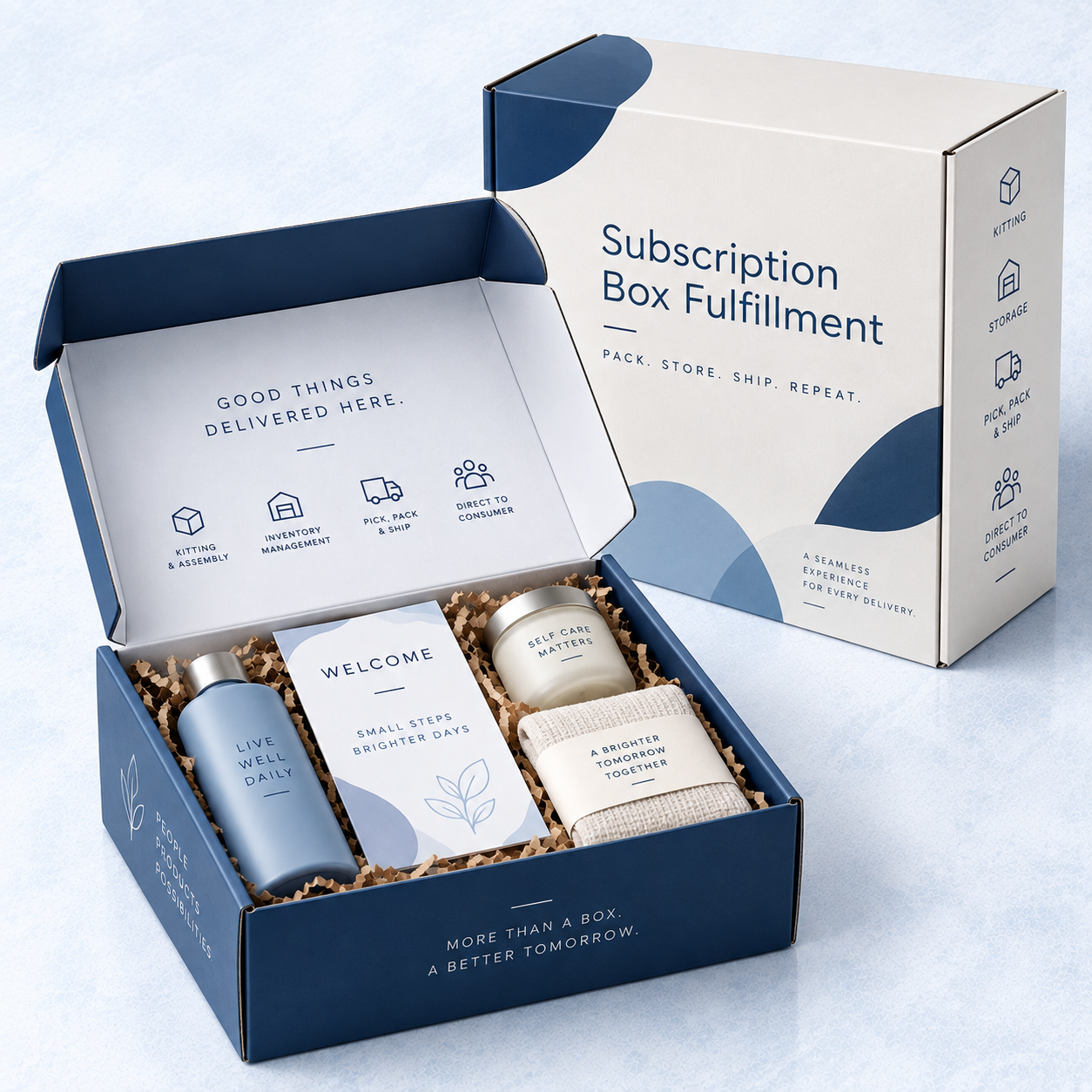
- Subscription boxes
- Direct to consumer shipments
- Retail ready display packaging
Corrugated packaging provides additional protection during transportation.
Flexible Packaging
Flexible packaging uses lightweight materials such as films and laminates that can conform to the shape of the product.
Flexible packaging is commonly used for compact products and offers advantages in shipping efficiency and storage space.
Materials Used in Custom Retail Packaging
The materials used in custom retail packaging affect durability, print quality, and overall production cost.
Common materials include:
- Paperboard
- Corrugated cardboard
- Plastic films
- Laminated materials
- Specialty coated papers
Material selection depends on the product requirements, branding goals, and packaging performance needs.
The Custom Retail Packaging Development Process
Developing custom retail packaging typically involves several stages.
Packaging Design
The design stage focuses on both structural packaging and visual branding.
Packaging designers create dielines and layouts that ensure the packaging fits the product while supporting branding and regulatory information.
Prototyping and Sampling
Before full production begins, packaging prototypes are created to test the structure and fit of the packaging.
Prototypes help brands evaluate:
- Packaging durability
- Product fit
- Visual presentation
This stage allows adjustments to be made before large scale manufacturing.
Production and Manufacturing
Once designs are finalized, packaging moves into production.
This stage includes:
- Printing
- Die cutting
- Folding and assembly
Production volume and printing methods will influence the final packaging cost and timeline.
Production Timelines for Custom Retail Packaging
Custom retail packaging production timelines typically range between four and ten weeks depending on the complexity of the packaging design and production volume.
Typical timeline stages include:
Week 1–2
Packaging design and engineering
Week 2–4
Prototype development and testing
Week 4–8
Packaging production
Week 8–10
Shipping and delivery
Working with experienced packaging partners can help streamline production timelines and reduce delays.
Choosing the Right Custom Retail Packaging Strategy
When developing custom retail packaging, brands should evaluate several factors including product protection, retail presentation, logistics efficiency, and cost structure.
Key considerations include:
- Product dimensions and protection requirements
- Retail shelf presentation
- Shipping and storage efficiency
- Production costs
- Scalability as the brand grows
Balancing these factors helps ensure packaging supports both brand growth and operational efficiency.
Custom retail packaging plays a central role in how products are presented, protected, and experienced by consumers.
Well designed packaging helps brands stand out in competitive retail environments while supporting efficient manufacturing and logistics operations.
As brands continue to grow across retail and e commerce channels, investing in thoughtful custom retail packaging can provide long term advantages in both brand recognition and supply chain performance.