




Retail Packaging: A Complete Guide for Consumer Brands
Retail packaging plays a critical role in how products are presented, protected, and perceived in stores and online marketplaces. For consumer brands, packaging is not just a container. It is a key part of the product experience and brand identity.
Effective retail packaging must balance several important functions. It must protect the product during transportation, communicate brand messaging, and capture consumer attention in competitive retail environments.
Understanding how retail packaging works allows brands to create packaging solutions that support both operational efficiency and strong market presence.
What Is Retail Packaging?
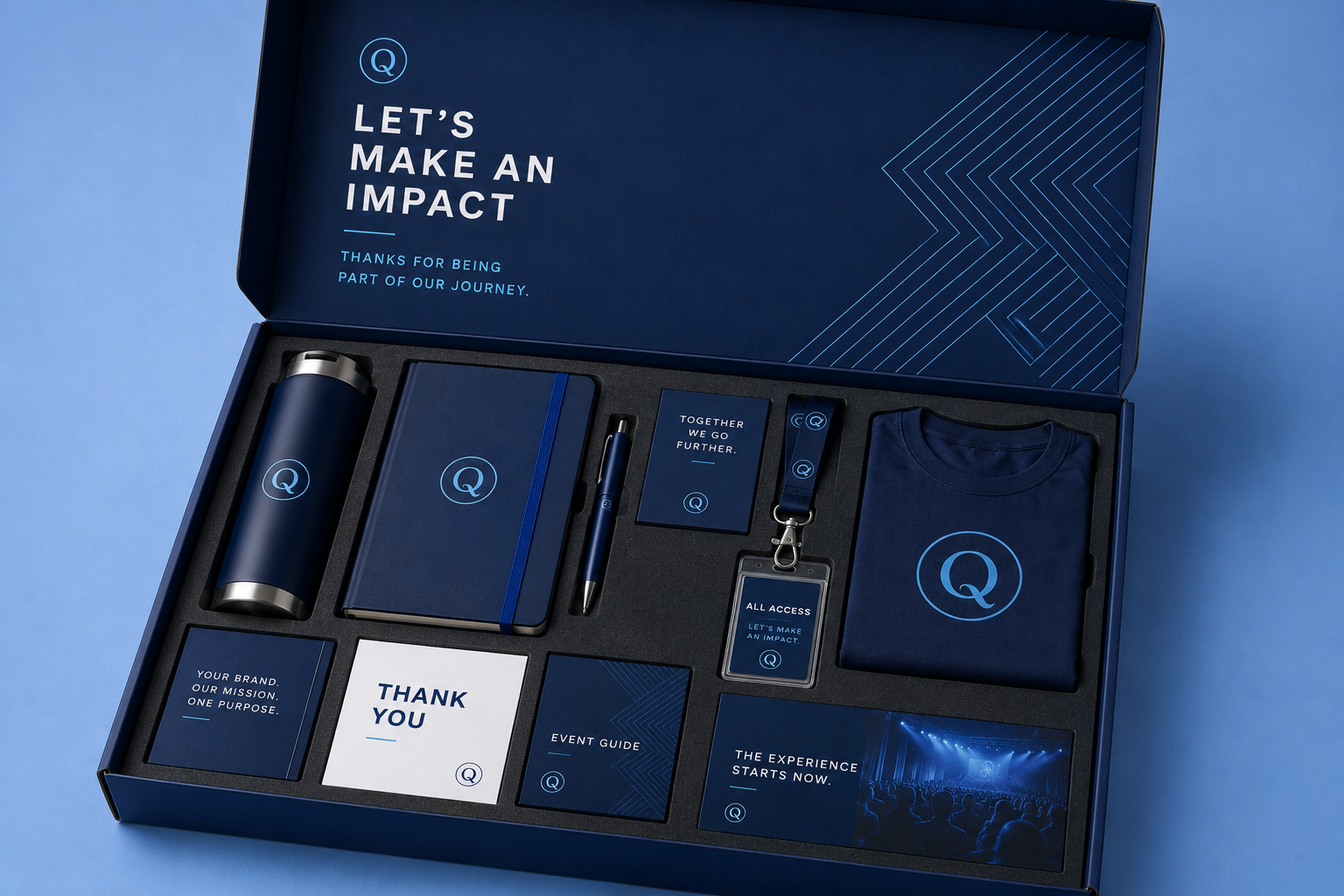
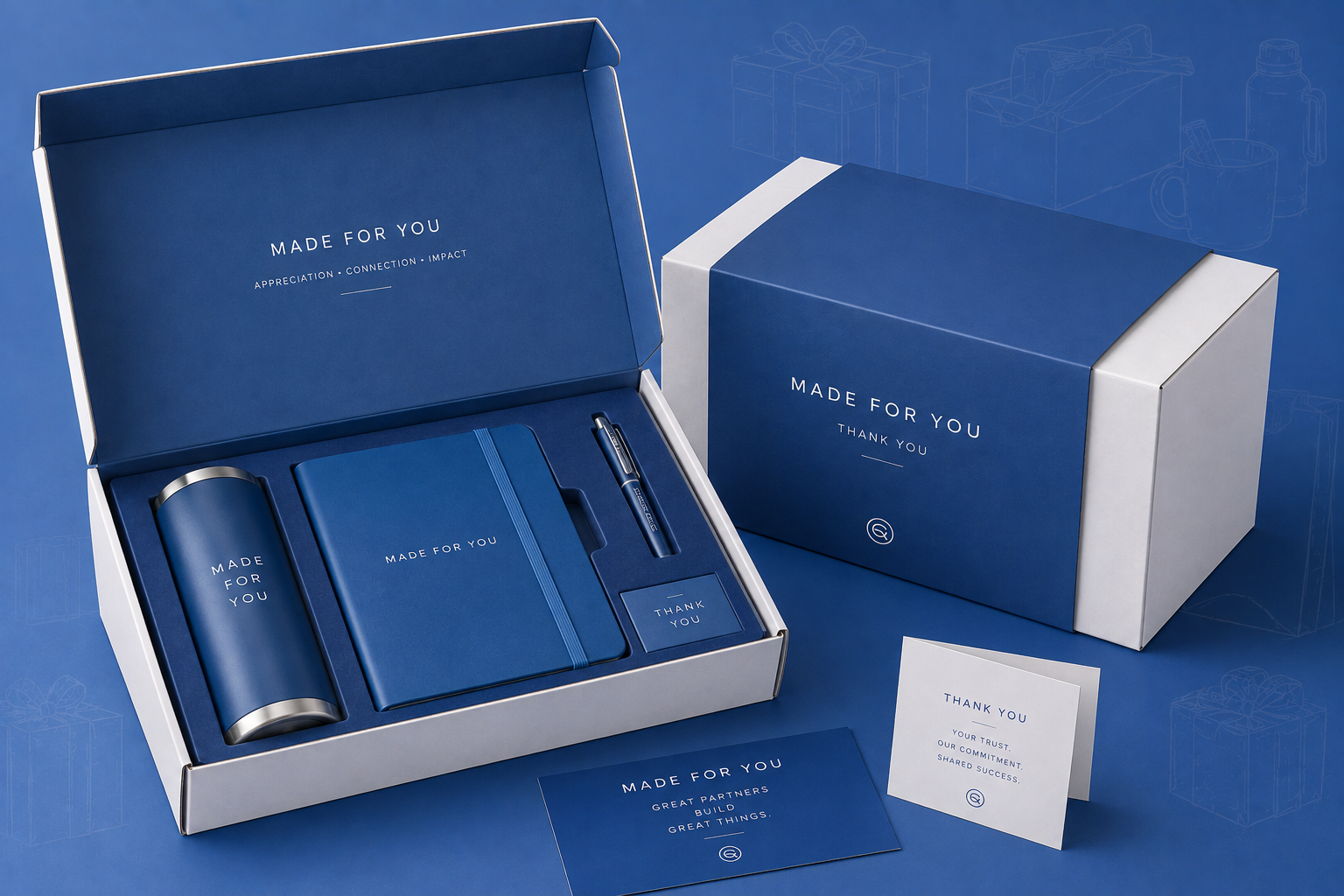
Retail packaging refers to the packaging that holds and displays a product when it is sold to consumers. It is the packaging customers see on store shelves or receive when ordering products online.
Retail packaging typically includes:
- Printed folding cartons
- Product boxes
- Flexible packaging formats
- Clamshell packaging
- Display-ready packaging
Unlike shipping packaging, retail packaging focuses heavily on branding, design, and consumer appeal while still protecting the product.
The Purpose of Retail Packaging
Retail packaging serves several important functions within the supply chain and retail environment.
Product Protection
Retail packaging protects products from damage during manufacturing, transportation, and retail handling.
Packaging must account for:
- Physical impact during shipping
- Environmental conditions
- Shelf storage requirements
Strong packaging design helps ensure products reach consumers in optimal condition.
Brand Communication
Retail packaging often serves as the first direct interaction a consumer has with a product.
Packaging communicates key information such as:
- Brand identity
- Product benefits
- Usage instructions
- Regulatory information
Clear and visually appealing packaging can significantly influence purchasing decisions.
Shelf Visibility
Retail shelves are highly competitive environments. Products must capture attention quickly to stand out among competing brands.
Packaging design elements that influence shelf visibility include:
- Color choices
- Typography
- Structural design
- Graphic layout
Strategic packaging design helps brands differentiate their products in crowded retail spaces.
Common Types of Retail Packaging
Retail packaging can take many forms depending on the product category and retail environment.
Folding Cartons
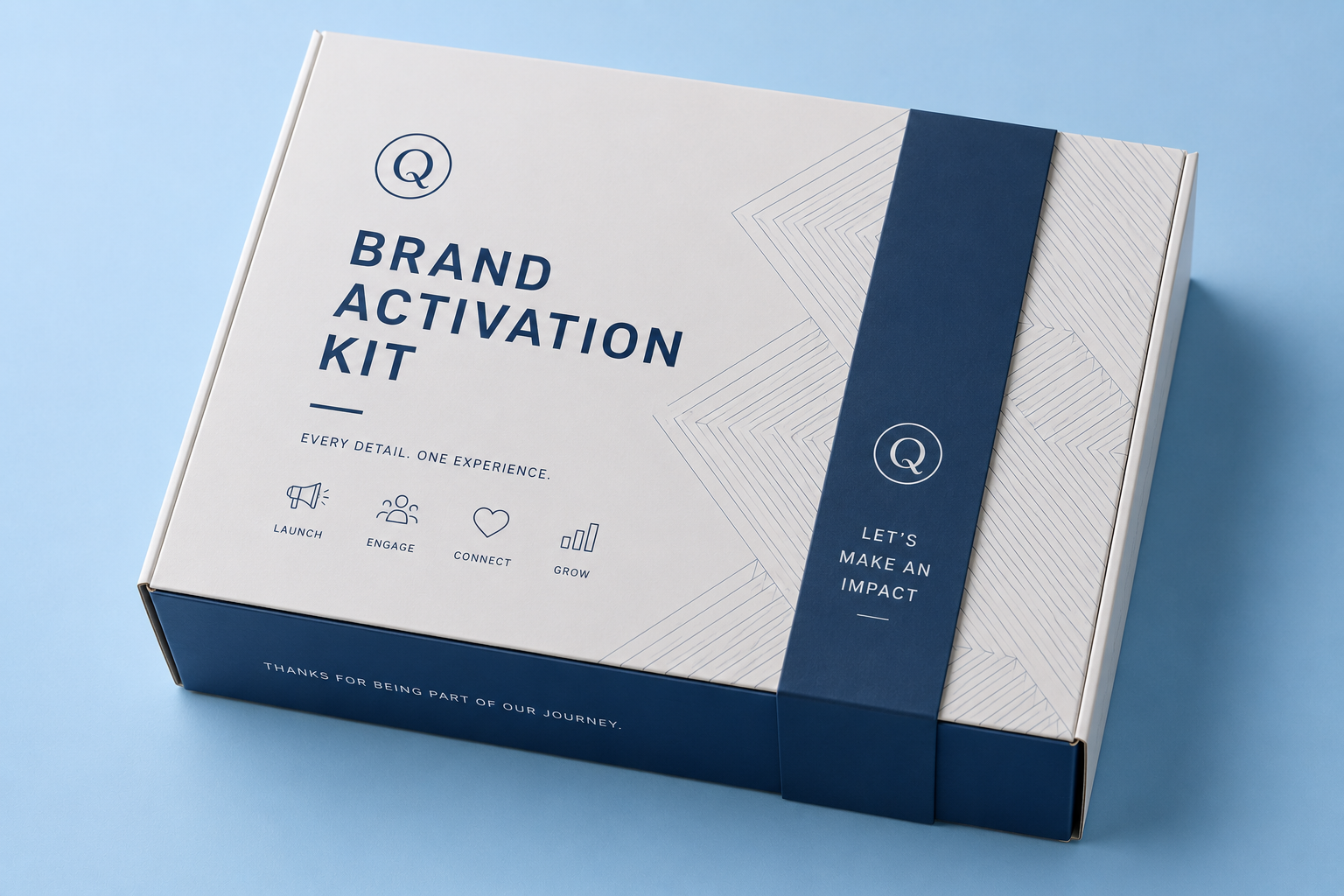
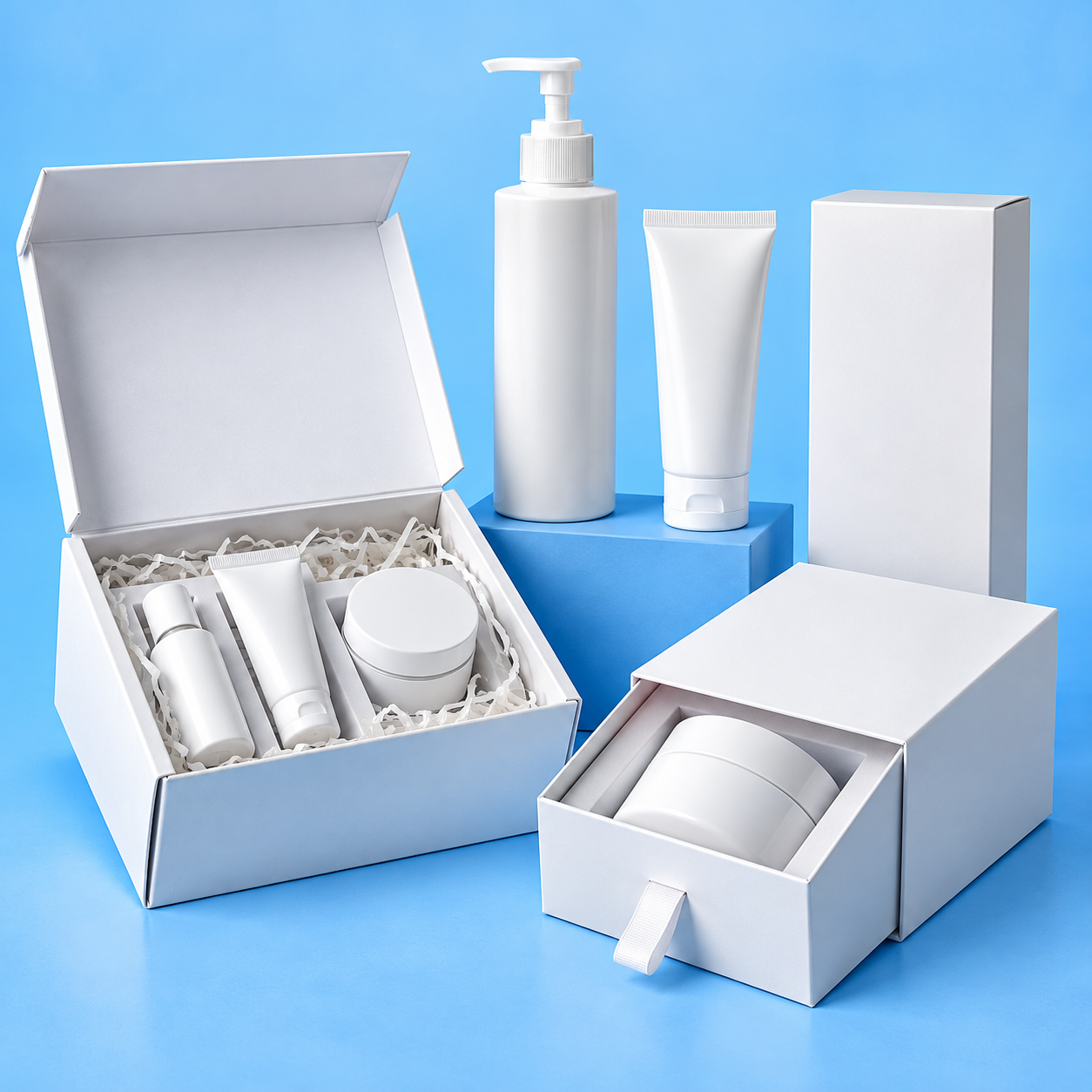
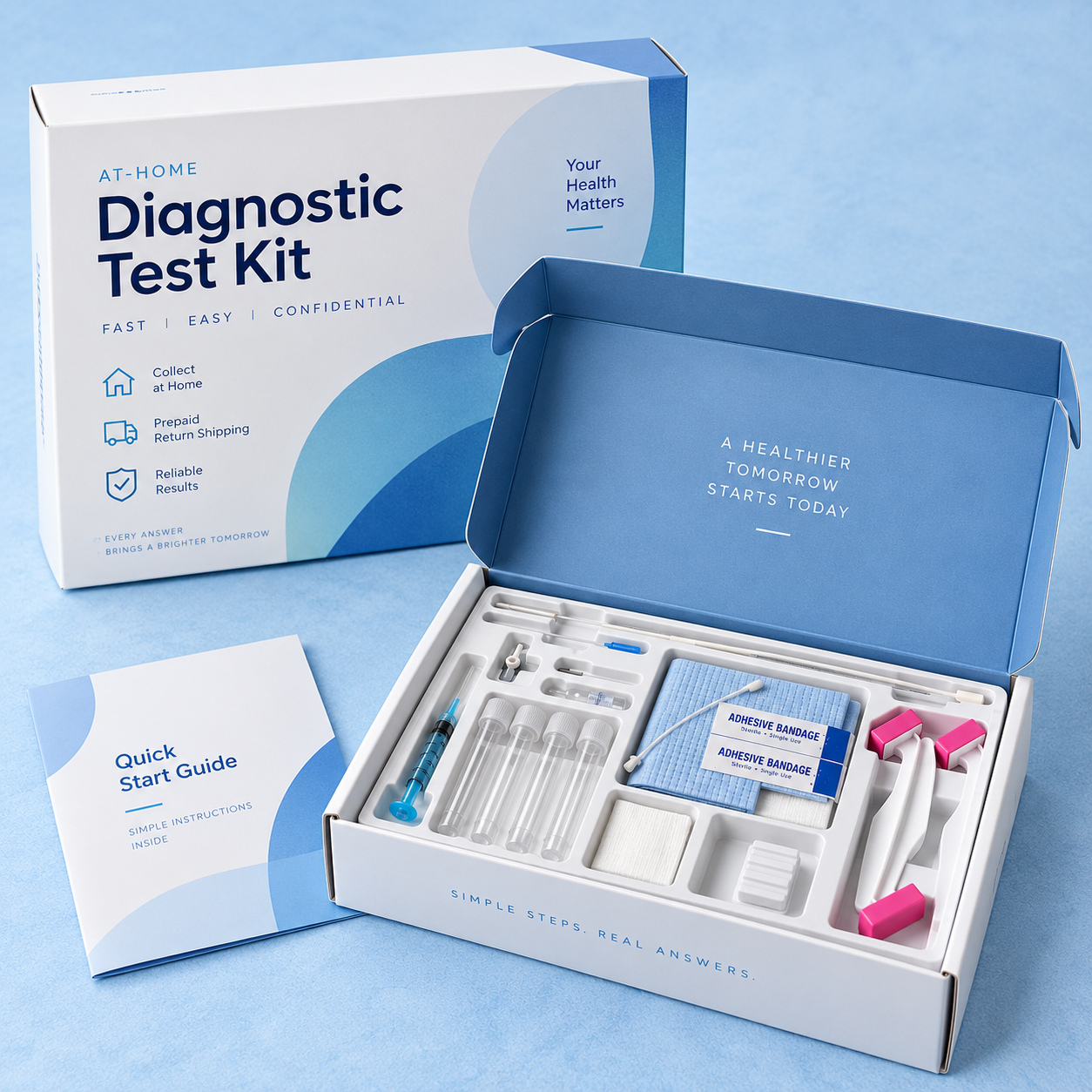
Folding cartons are one of the most widely used retail packaging formats. These cartons are printed, die-cut, and folded into shape to create product boxes.
Folding cartons are commonly used for:
- Consumer electronics
- Personal care products
- Household goods
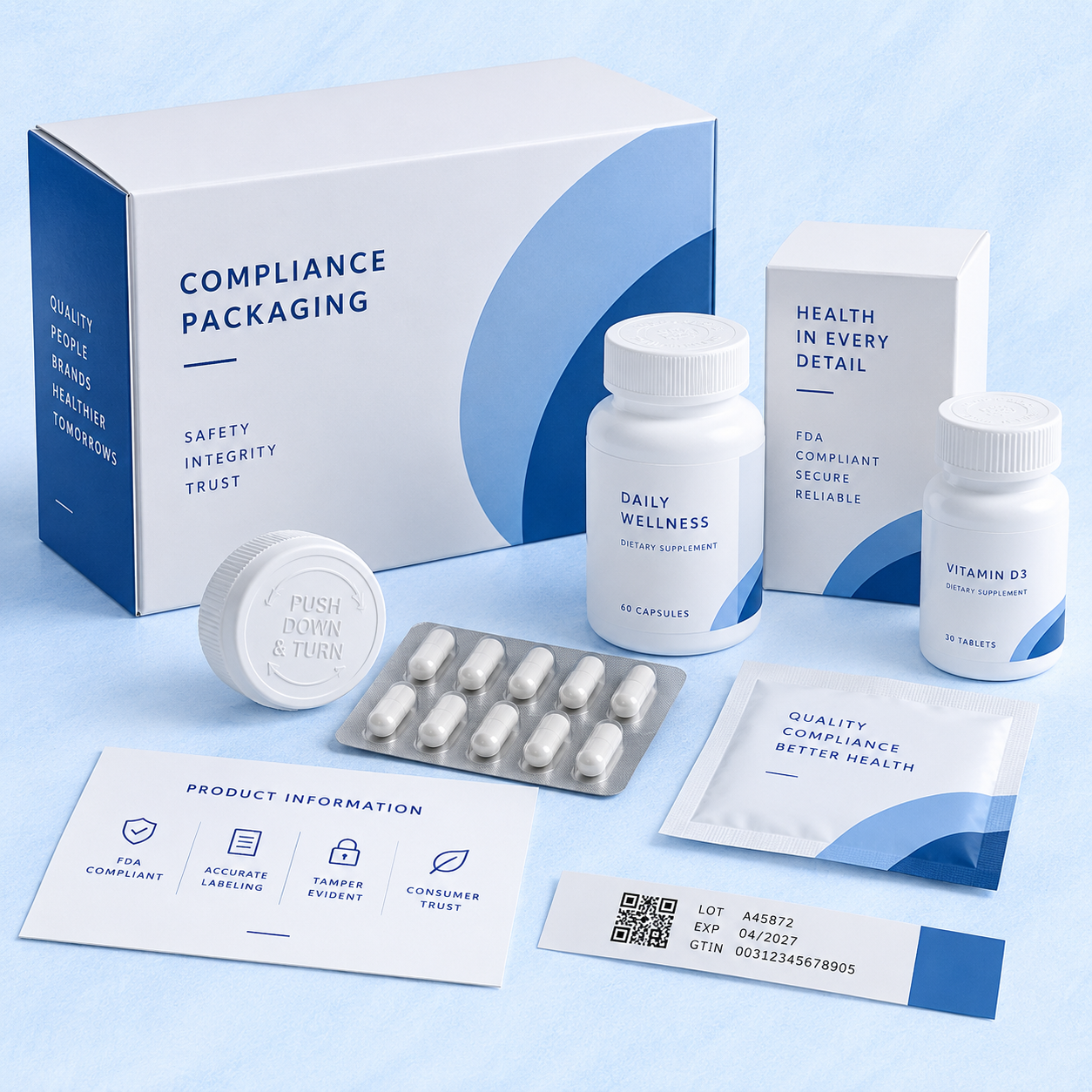
- Health and wellness products
They offer strong branding opportunities due to large printable surfaces.
Corrugated Packaging
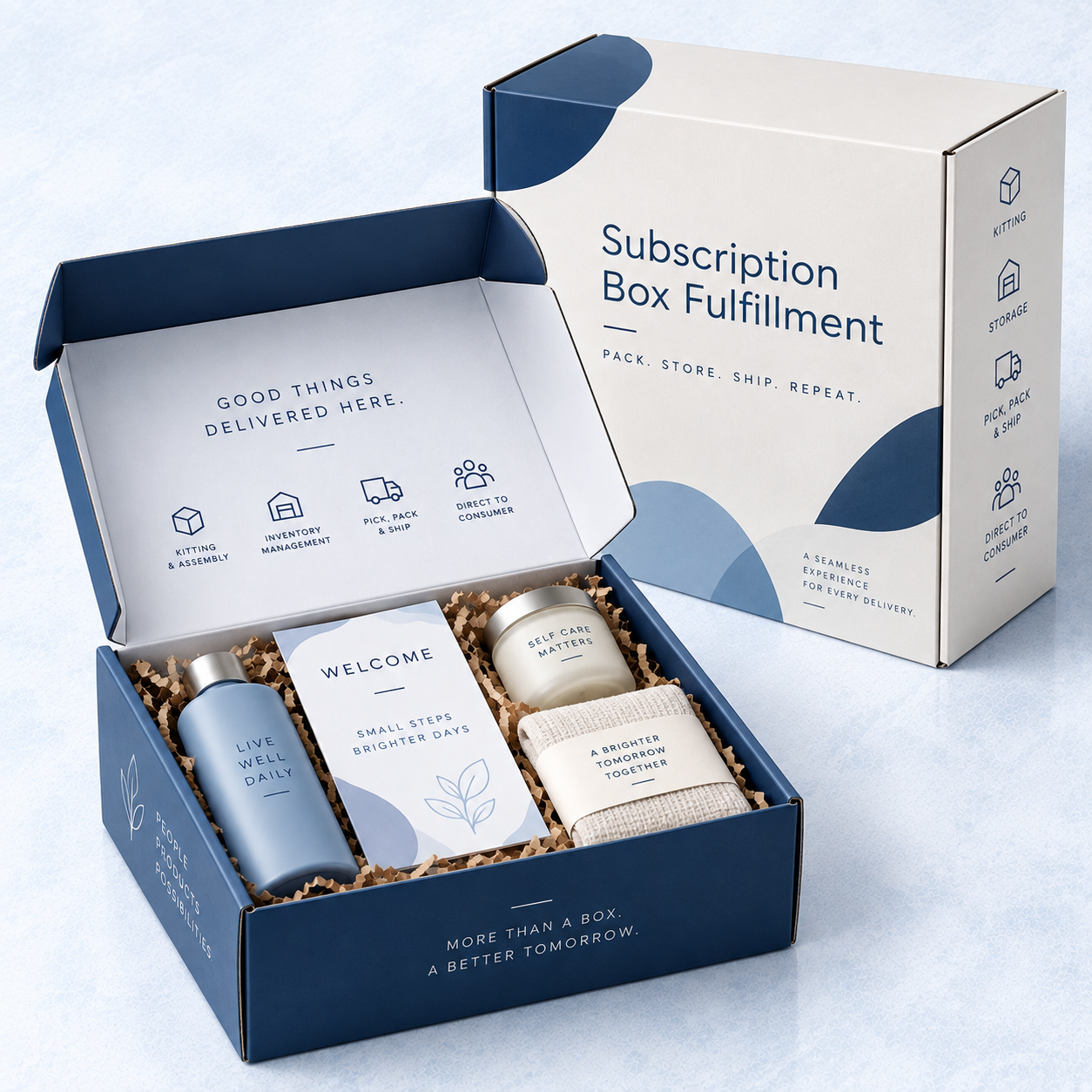
Corrugated packaging provides additional strength and durability compared to standard paperboard cartons.
This format is often used for:
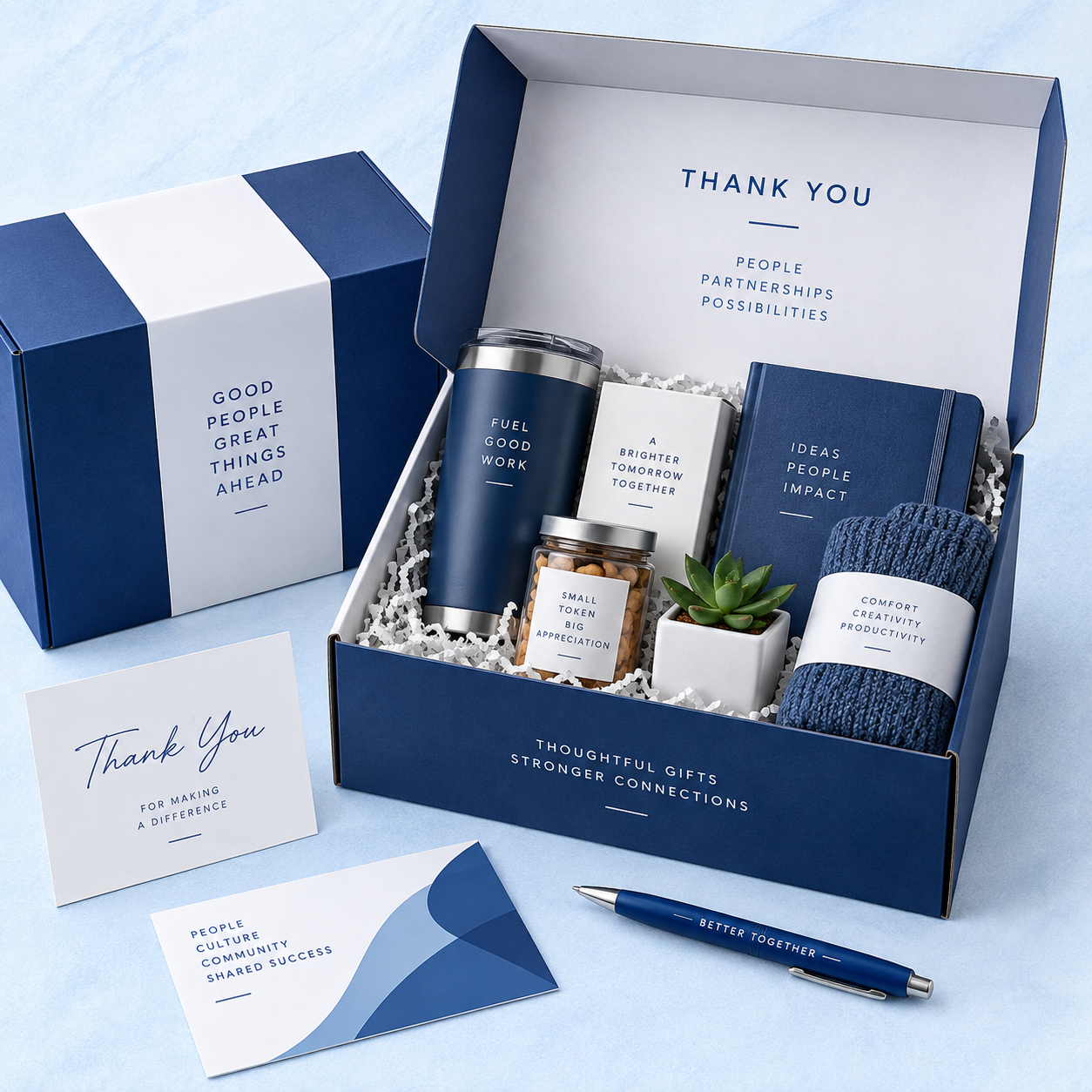
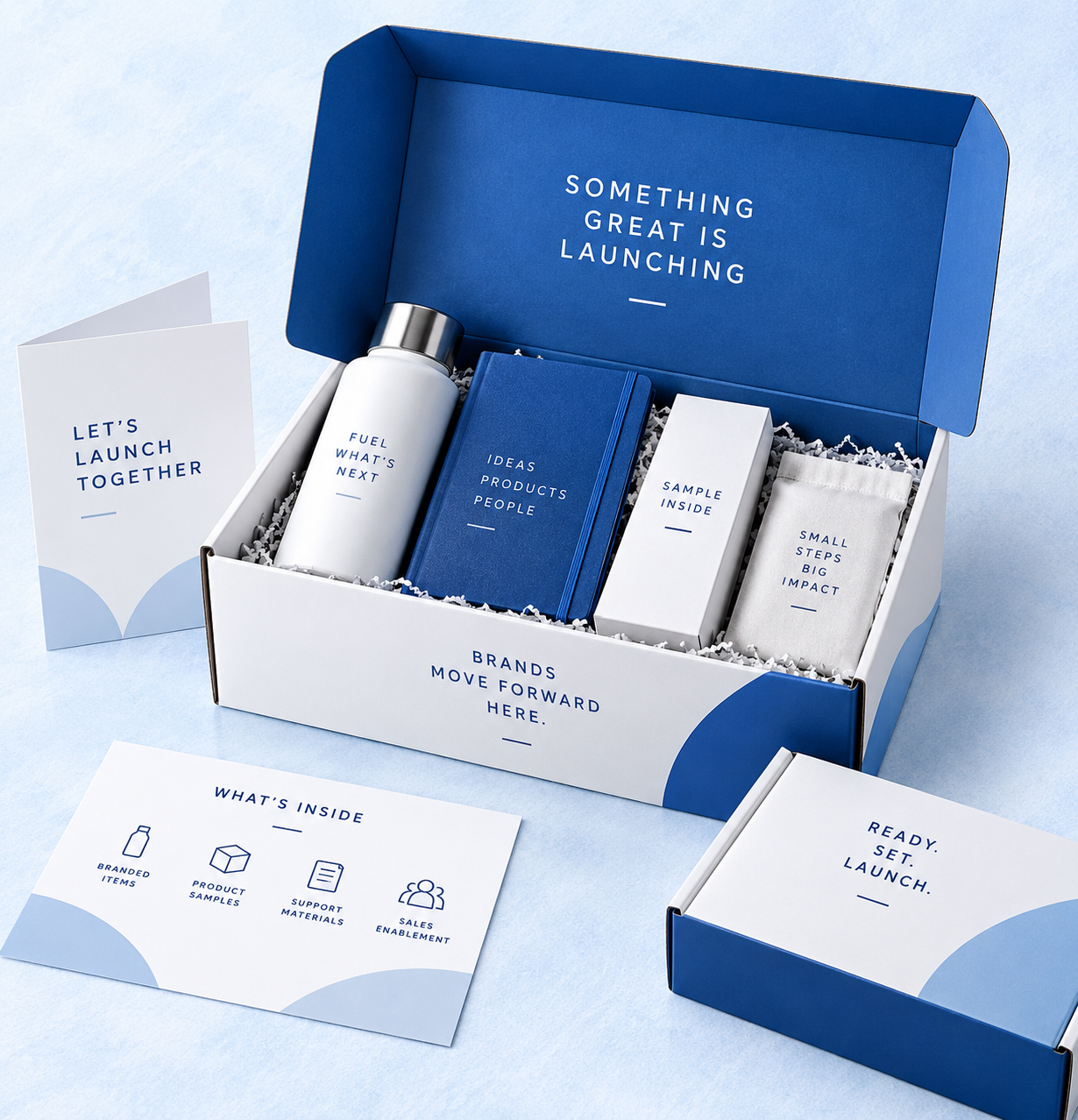
- Subscription boxes
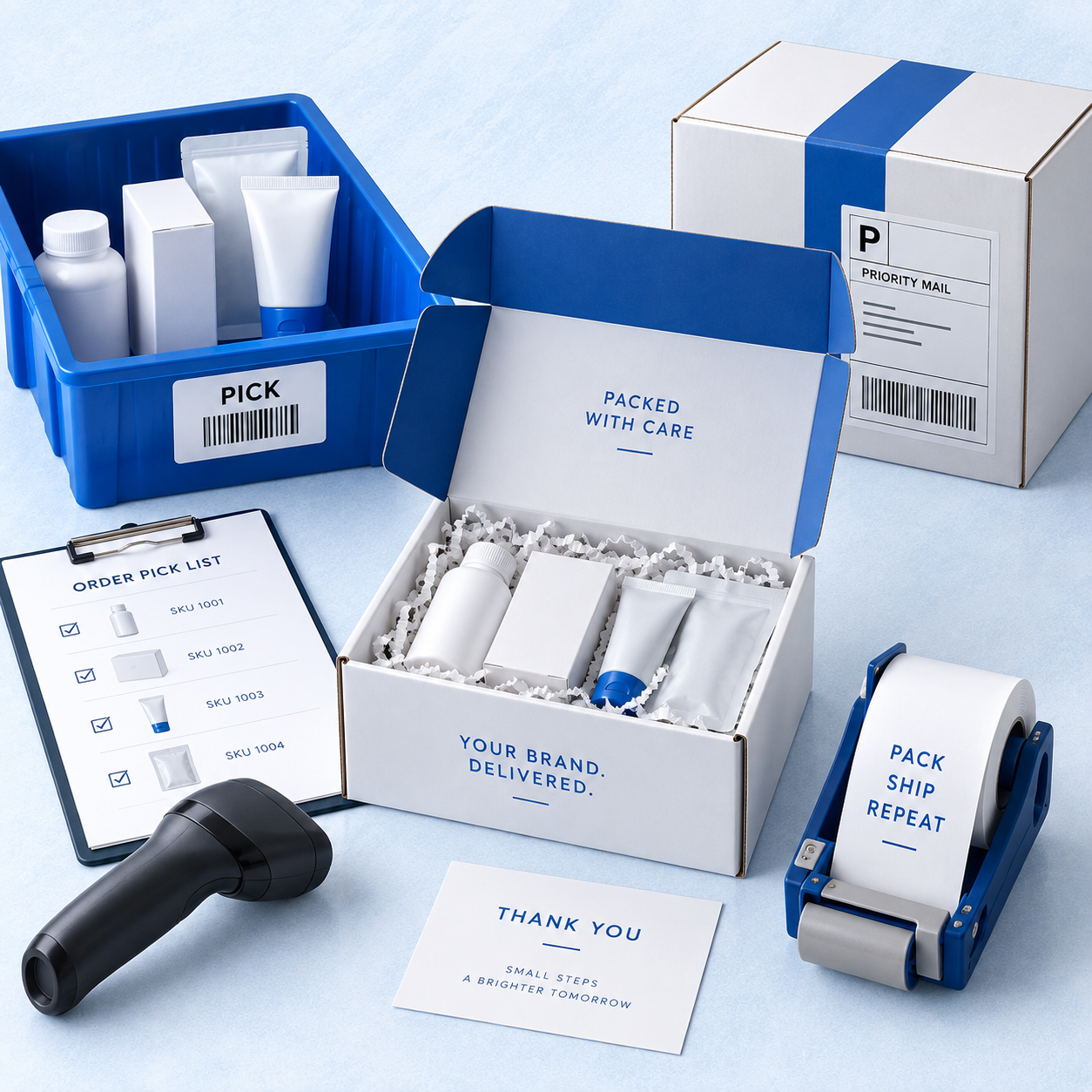
- Direct-to-consumer shipments
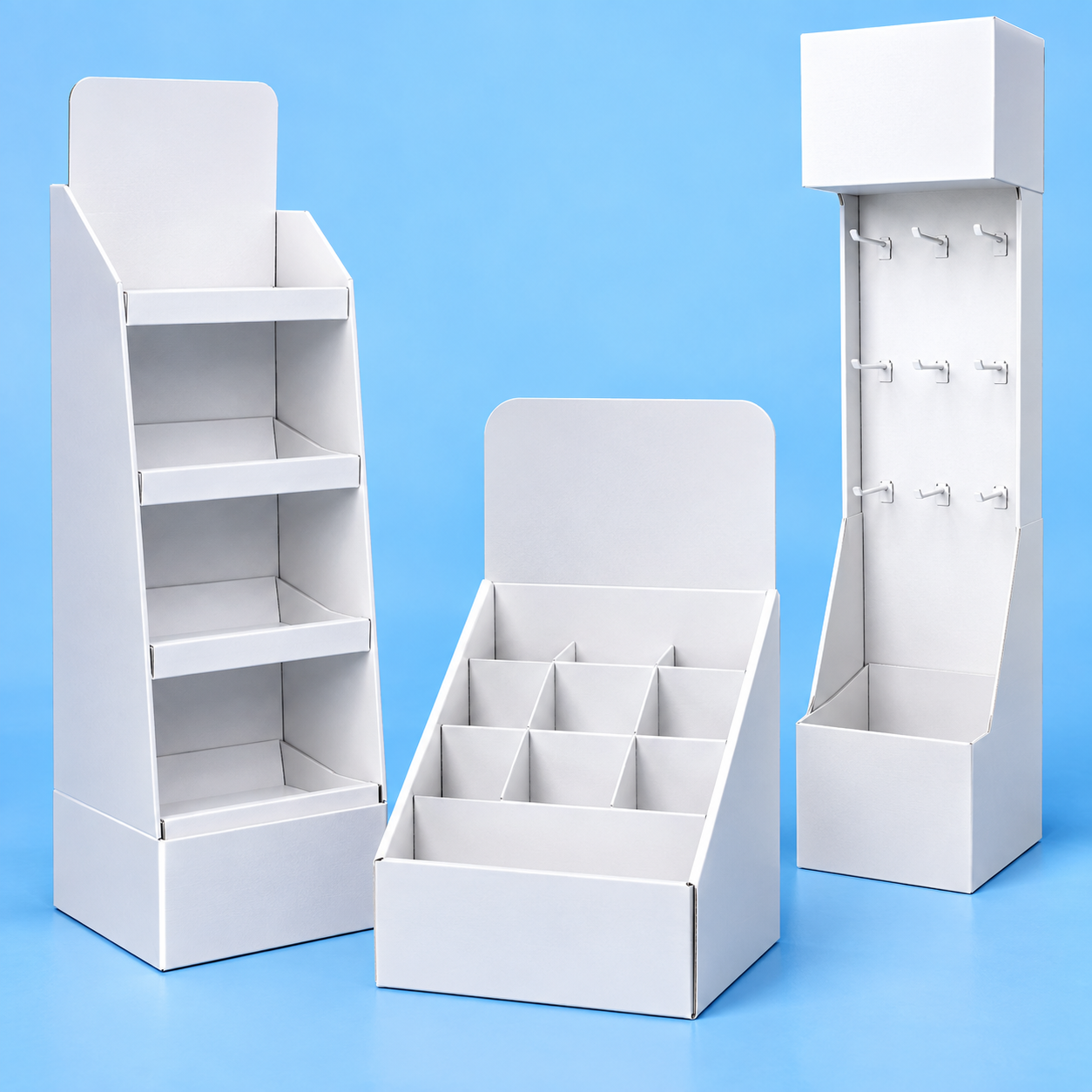
- Retail-ready display packaging
Corrugated packaging is particularly useful for protecting fragile or heavier products.
Flexible Packaging
Flexible packaging uses lightweight materials such as films and laminates that can bend or conform to the product.
This format is commonly used for lightweight products and offers advantages in shipping efficiency and storage space.
Flexible packaging can also support resealable closures and compact packaging formats.
Materials Used in Retail Packaging
Retail packaging materials vary depending on the product requirements and brand positioning.
Common materials include:
- Paperboard
- Corrugated cardboard
- Plastic films
- Laminated materials
- Specialty coated papers
Material selection affects durability, print quality, sustainability considerations, and cost.
Brands often evaluate materials based on both performance and environmental impact.
Key Considerations When Designing Retail Packaging
Designing effective retail packaging requires balancing aesthetics, functionality, and production efficiency.
Important considerations include:
- Product protection requirements
- Retail shelf presentation
- Shipping and logistics efficiency
- Manufacturing costs
- Sustainability goals
Packaging must perform across the entire supply chain while still delivering a strong brand experience.
How Retail Packaging Impacts Supply Chains
Retail packaging decisions influence several operational factors including manufacturing, transportation, and storage.
Efficient packaging design can help brands:
- Reduce shipping costs
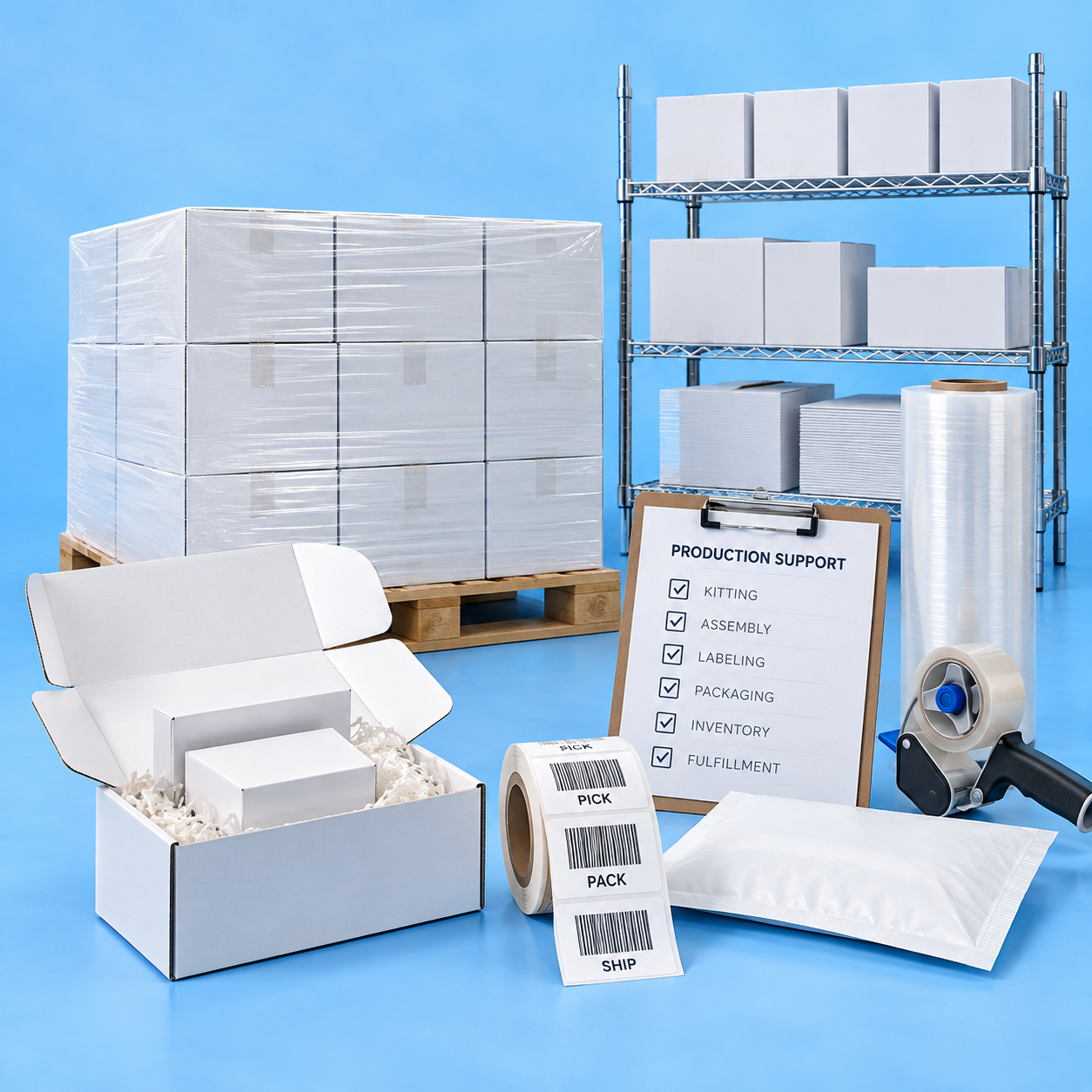
- Improve pallet efficiency
- Optimize warehouse storage
- Minimize product damage
These improvements can significantly reduce operational costs as brands scale.
Working With a Retail Packaging Partner
For many brands, developing effective retail packaging requires collaboration with experienced packaging specialists.
A packaging partner can help with:
- Structural packaging design
- Material sourcing
- Global manufacturing coordination
- Production timelines
- Supply chain optimization
This expertise allows brands to develop packaging that performs effectively across retail environments and logistics networks.
Retail packaging plays a critical role in product success. It protects products, communicates brand identity, and influences purchasing decisions in retail environments.
Brands that invest in thoughtful retail packaging design can improve both product presentation and operational efficiency.
As competition continues to increase across retail channels, packaging will remain a key factor in how products stand out, ship efficiently, and deliver a strong consumer experience.